
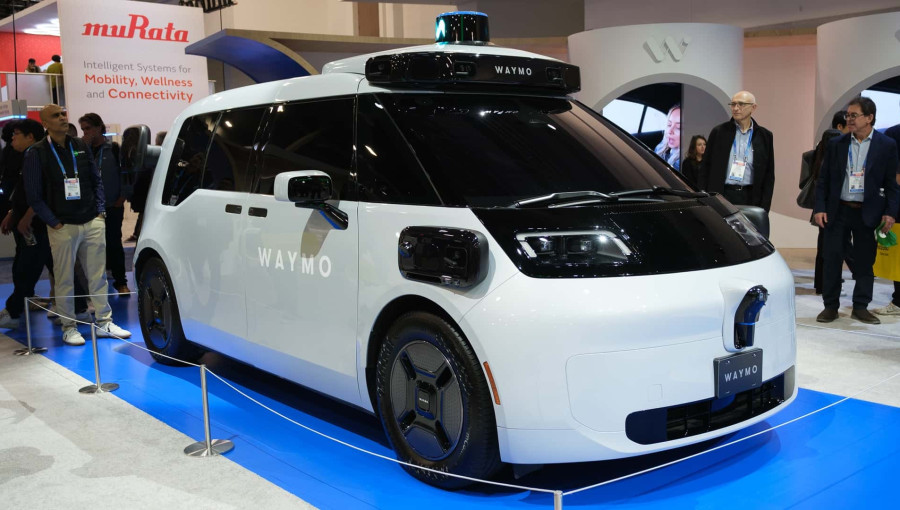
Waymo, Alphabet’s autonomous vehicle division, has reached a major operational milestone by surpassing 500,000 paid weekly trips. This achievement marks a significant acceleration for the company, which has managed to double its ridership volume since April of last year. By expanding its service area to ten major markets across the United States, Waymo has established a dominant lead in the robotaxi sector. With plans to integrate new vehicle models and enter international markets, the company is now targeting one million weekly rides by the end of 2025.
The rapid scaling of Waymo’s driverless service highlights a shift from experimental pilot programs to a robust commercial enterprise. At the beginning of 2025, the company operated in only three primary locations: Los Angeles, San Francisco, and Phoenix. However, a recent aggressive expansion has seen the service launch in Dallas, Houston, San Antonio, and Orlando. This growth brings the company’s total active markets to ten, providing a diverse range of traffic and weather conditions to test the reliability of its self-driving technology.
While Waymo solidifies its market position, competitors are attempting to narrow the gap. Zoox recently announced plans to broaden its testing footprint in Las Vegas and San Francisco, while also initiating trials in Austin and Miami. Meanwhile, Tesla’s robotaxi efforts remain more localized, with its service currently limited to Austin and still utilizing a reduced number of vehicles that often require human oversight.
Looking ahead, Waymo has identified 21 additional cities for potential expansion, including high-density urban centers such as New York, Chicago, and London. To support this growth, the company is diversifying its fleet beyond the current Jaguar I-Pace models. Upcoming deployments will include purpose-built Zeekr vans and Hyundai Ioniq 5 vehicles. According to the company’s leadership, the primary challenge moving forward will be maintaining safety standards while adapting the software to the unique demands of international traffic environments and varied climates.