Google Android OS Powers Core Vehicle Operations
Google is significantly expanding its footprint in the automotive industry with the introduction of Android Automotive OS for Software Defined Vehicles (AAOS SDV). This new open-source platform aims to move Google’s software from the infotainment screen to the very core of vehicle operations, acting as the central nervous system for modern cars. By standardizing how vehicle components communicate, the system promises to reduce development costs and accelerate the deployment of over-the-air updates. The technology is already being utilized in Renault’s latest electric van, signaling a major shift toward centralized, software-driven vehicle architectures.
The transition to AAOS SDV marks a departure from current systems where Android primarily serves as a layer for media and navigation. In existing setups, various vehicle modules use proprietary programming to send data to a central unit, which Android then accesses to display information. Google’s new approach eliminates these intermediaries, allowing the operating system to take direct control of non-driving functions. This includes managing interior lighting, seat adjustments, and climate control systems without needing to translate signals from third-party hardware protocols.
One of the primary advantages for automakers is the ability to decouple hardware and software development. Through integrated virtualization technology, engineers can write and test code for vehicle components long before the physical hardware is manufactured. This allows global teams to work concurrently, significantly shortening the time it takes to bring a new model to market. Furthermore, because the software has a direct line to individual components, manufacturers can issue precise over-the-air updates to fix bugs or add features to specific parts of the car rather than just updating the dashboard interface.
To achieve this level of integration, Google is introducing a standardized signal catalog. This initiative seeks to harmonize the way car manufacturers and parts suppliers communicate by using a universal set of commands. While Google argues that this will eliminate redundant engineering and lower platform costs, it also positions the tech giant as the essential foundation for automotive software. This strategy mirrors efforts by Apple with its CarPlay Ultra, though Apple has faced resistance from manufacturers hesitant to cede control of the user experience.
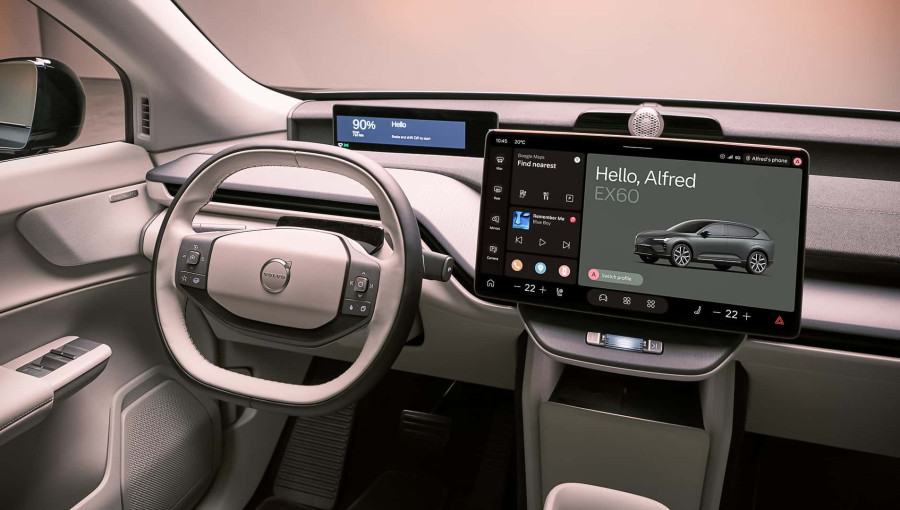
The consumer experience is expected to improve through more proactive maintenance alerts, highly personalized driver profiles, and enhanced voice assistant capabilities. Remote cabin conditioning and more responsive interfaces are also central to the platform's value proposition. While many legacy automakers remain cautious about deep integration with tech firms, the rollout of AAOS SDV has already begun. Renault’s Trafic e-Tech electric van is the first to adopt the system, with a wider release to other manufacturers expected later this year.