
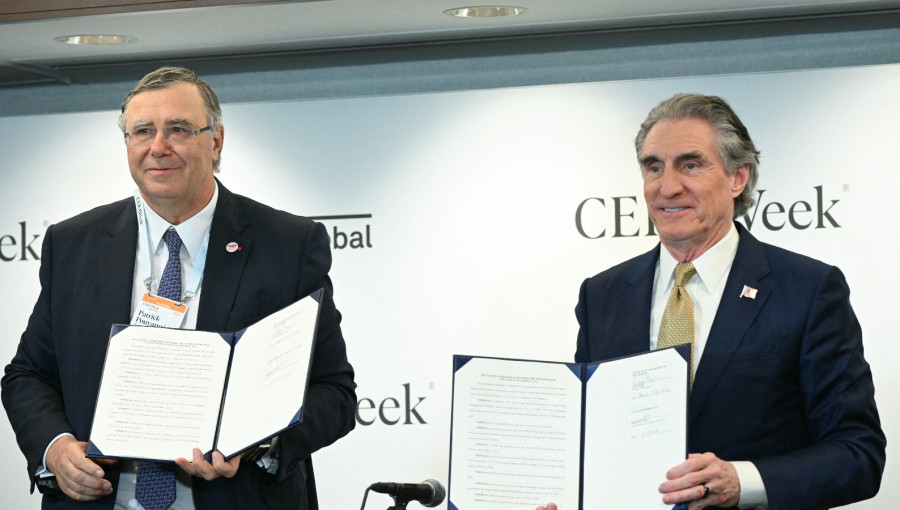
The U.S. Department of the Interior has finalized an unusual agreement to refund nearly $1 billion to TotalEnergies, a French multinational energy firm, to cancel its offshore wind development rights in the Atlantic. The deal requires the company to redirect those funds into fossil fuel projects in the Gulf of Mexico, including offshore platforms and a Texas-based liquefied natural gas (LNG) facility. While the administration frames the move as a shift in energy priorities, critics argue it is a strategic maneuver to dismantle renewable energy progress while insulating the government from costly legal challenges.
The leases in question were originally acquired by TotalEnergies during a record-breaking auction for territory in the New York-New Jersey Bight. The company had paid roughly four times the standard per-acre rate to secure the area. However, with the current administration moving to freeze new auctions and actively opposing offshore wind construction, industry experts suggest the refund may be a preemptive strike to avoid litigation. Legal analysts note that if the government sold leases and subsequently made permitting impossible, it could have been held liable for massive damages.
Elizabeth Klein, the former director of the Bureau of Ocean Energy Management, characterized the settlement as a “backdoor deal” conducted without public oversight or consideration for state-level energy goals. Klein noted that several states had integrated these specific offshore wind projects into their long-term power grids to meet renewable targets. Despite the immediate setback, she emphasized that the rights would eventually return to federal hands, allowing a future administration to potentially re-auction the areas for renewable development.
The oil and gas component of the agreement has also drawn scrutiny for its apparent lack of new impact. TotalEnergies was already heavily invested in the Gulf Coast projects mentioned in the deal. For example, the company had already reached a final investment decision on its Texas LNG expansion last year. Consequently, the $1 billion refund appears to act more as a capital offset for existing infrastructure rather than a catalyst for new fossil fuel production.
In Washington, the deal has not yet derailed bipartisan discussions on permitting reform. Senator Sheldon Whitehouse indicated that negotiations are continuing despite the administration’s aggressive stance against wind energy. While the settlement represents a significant hurdle for the Atlantic offshore wind industry, many developers are reportedly choosing to wait out the current political climate rather than abandoning the U.S. market entirely, provided that future legislative reforms can protect permits from executive interference.