
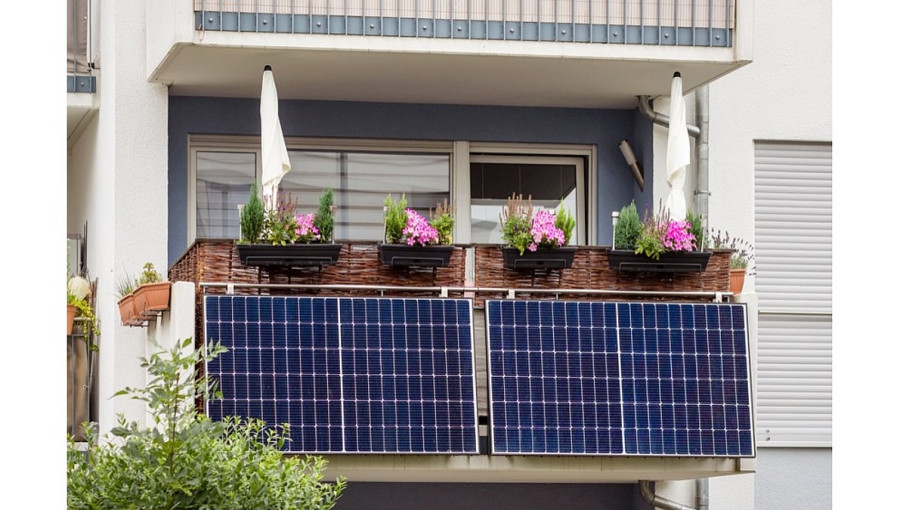
The British government is fast-tracking the deployment of plug-in solar panels, with plans to make these systems available in retail stores within the coming months. This initiative aims to provide renters and apartment owners with easier access to renewable energy, allowing them to lower their utility costs through simple, DIY-installed technology. By collaborating with major retailers and updating national safety regulations, the administration seeks to bolster energy security and reduce the United Kingdom’s reliance on volatile international fossil fuel markets following recent geopolitical tensions in the Middle East.
The Department for Energy Security and Net Zero has confirmed it is “driving forward” the commercial rollout of these plug-in systems, often referred to as balcony solar. To ensure widespread availability, the government is coordinating with prominent retailers such as Lidl and Amazon, as well as specialized manufacturers like EcoFlow. Energy Secretary Ed Miliband emphasized that making solar energy accessible through supermarkets is a vital step in providing households with the tools to manage their own energy production and costs.
To facilitate this transition, officials are working closely with the Energy Networks Association, distribution network operators, and the regulator Ofgem. The primary objective is to update the G98 distribution code and BS 7671 wiring regulations. These amendments will permit UK residents to connect plug-in solar panels with a capacity of less than 800 W directly into standard domestic mains sockets. This regulatory shift eliminates the requirement for a professional electrician to oversee the installation, provided the equipment meets specific, tailored safety standards.
This push for “energy sovereignty” comes as a direct response to global market instability. Secretary Miliband noted that the drive for clean power is essential to insulate the domestic economy from fossil fuel price spikes driven by overseas conflicts. He stated that the government is determined to integrate clean power into the national fabric, whether through mandatory solar panel installations on new builds or making portable systems available on high streets.
In tandem with the plug-in initiative, the government announced the implementation of the Future Homes Standard. Under these new guidelines, all newly constructed homes will be required to feature solar panels and low-carbon heating systems by default. According to government estimates, these common-sense measures could save families up to £830 annually on their energy bills. Industry leaders have noted a surge in consumer interest, with Octopus Energy CEO Greg Jackson reporting a 50% increase in solar-related inquiries since the escalation of Middle Eastern conflicts.
Further diversifying its energy strategy, the administration has instructed energy providers to offer discounted rates to customers during periods of high wind generation. Instead of the traditional practice of shutting down wind turbines when supply exceeds demand, a new trial will encourage consumption on windy days. This pilot program is scheduled to launch in Scotland and the East of England between April and June 2026, marking a shift toward more flexible and consumer-friendly grid management.