
Germany’s Federal Network Agency, the Bundesnetzagentur, has officially opened the first round of its 2026 Innovation Tender, seeking 475 MW of renewable energy capacity. This auction encourages technological diversity by supporting hybrid projects that combine solar, wind, and storage solutions. While the innovation segment remains a priority, recent data shows a cooling interest in rooftop solar auctions, which failed to meet their capacity targets. These initiatives are part of a broader national strategy to significantly reduce CO2 emission levels and modernize the energy grid by 2030.
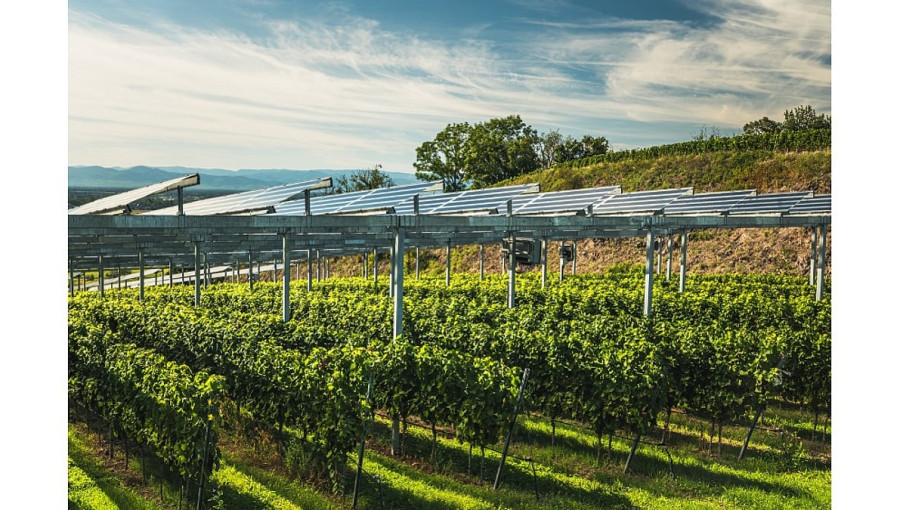
The Bundesnetzagentur has initiated the bidding process for 475 MW, representing half of the 950 MW total volume allocated for the innovation category in 2026. The tender is open to a wide range of technologies, including biomass, geothermal, and hydroelectric power, alongside traditional wind and solar module installations. Agrivoltaic projects on agricultural land are also eligible, provided the national total for such installations remains below the 80 GW threshold—a limit currently far from being reached, with only 16.5 GW registered since early 2023.
For this round, the maximum bid price is capped at €0.0713/kWh. This follows a highly competitive session in late 2025 where the weighted average winning bid settled significantly lower at €0.0531/kWh. Interested parties have until May 4, 2026, to submit their proposals, with the deadline adjusted slightly to account for the May 1 public holiday.
In contrast to the broad scope of the innovation tender, a specialized auction for solar installations on buildings and noise barriers recently saw underwhelming participation. Out of the 283 MW offered, only 177 MW in bids were received, resulting in 155 MW of awarded capacity. Bundesnetzagentur President Klaus Müller noted that while rooftop solar interest was subdued, the onshore wind sector remains heavily oversubscribed, leading to a notable drop in winning bid prices for wind energy.
The German government continues to push its 2026 Climate Action Programme, backed by €8 billion in funding, to achieve a 65% reduction in CO2 emission levels compared to 1990. However, industry representatives from the German solar association BSW-Solar have expressed concerns regarding grid infrastructure. The association is calling for the removal of structural barriers, arguing that faster grid expansion and more efficient connection processes for storage and renewable projects are essential to bridge the gap between legislative targets and current market realities.