Photovoltaic Facades Drive Urban Clean Energy Transition
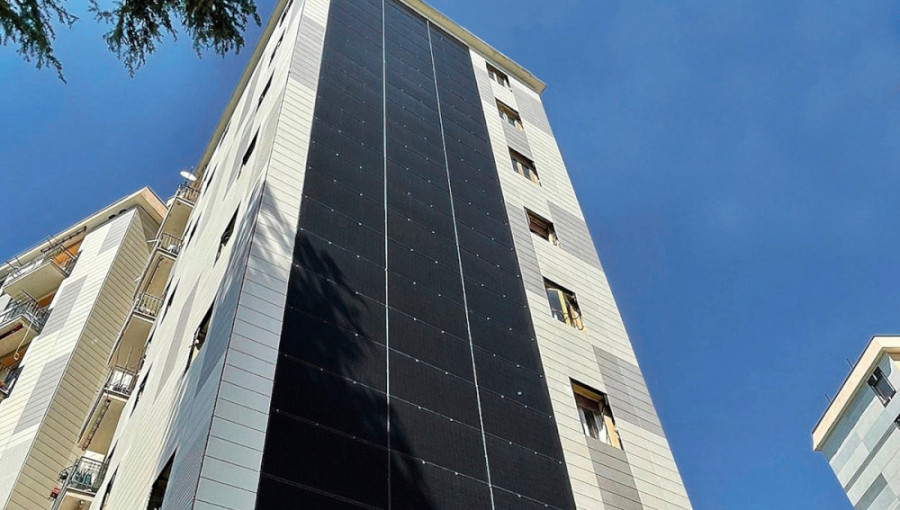
As urban centers face increasing pressure to transition to clean energy despite limited rooftop space, photovoltaic facades are emerging as a vital solution for modern cities. Leading manufacturers like Eurener are spearheading this shift by developing high-efficiency vertical modules tailored for densified urban environments. These systems allow buildings in cities like Berlin and Copenhagen to maximize energy yields even under low-light conditions or during winter months. By integrating advanced solar technology directly into building structures, developers can optimize underused surfaces while enhancing architectural aesthetics and property value across the European market.
The push for urban densification has made traditional rooftop solar installations insufficient to meet the rising demand for renewable energy. In response, vertical integration offers a scalable alternative by utilizing the vast surface area of building exteriors. Spanish manufacturer Eurener, leveraging over 25 years of industry expertise, has introduced specialized products designed to balance high energy output with seamless architectural integration. Their Ultra Premium and NEXA series feature sleek black finishes, specifically engineered to meet the aesthetic and technical requirements of contemporary facade projects.
The Ultra Premium range, available in 400 W and 440 W variants, utilizes N-type solar cell technology. These modules are particularly effective in Northern European markets, where diffuse radiation and overcast skies are common. By maintaining high performance under low-irradiance conditions, these facade-mounted systems ensure a consistent annual energy yield. Complementing this, the NEXA solar module line employs dual-glass technology to reach outputs of up to 450 W. This robust construction provides the necessary durability to withstand harsh climates, including extreme cold and heavy snow loads, significantly extending the operational lifespan of the installation.
Beyond energy efficiency, photovoltaic facades offer distinct operational advantages over traditional rooftop systems. During winter, vertical panels are less prone to the accumulation of snow and debris, allowing for uninterrupted power generation when rooftop modules might be obstructed. Furthermore, the aesthetic integration of these solar panels can significantly boost a building's market value, appealing to investors focused on sustainable assets. Coupled with government subsidies and preferential tariffs available in various European nations, the financial viability of solar facade investments continues to strengthen, paving the way for a more resilient urban energy grid.