
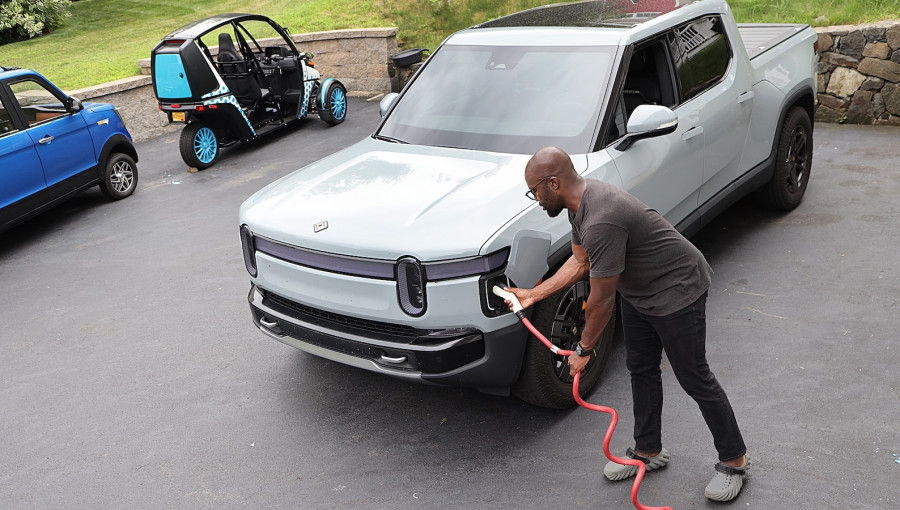
Electric vehicles are increasingly viewed as a dual-edged sword for the American power grid, acting as both a significant load and a potential stabilization tool. While vehicle-to-grid (V2G) technology allows EVs to return stored energy to the grid during peak demand, a new study from the University of Michigan emphasizes that this technology alone cannot offset rising electricity needs. Researchers argue that proactive infrastructure upgrades, including new transformers and transmission lines, are essential to create a resilient system capable of supporting widespread EV adoption and renewable energy integration.
The traditional concern with the rise of electric mobility is the strain placed on aging electrical systems. When commuters return home and plug in their vehicles simultaneously, the collective demand often coincides with the peak usage of household appliances, potentially overwhelming the grid. However, V2G technology transforms these idle vehicles into a distributed network of batteries. By discharging power back into the system during evening peaks and recharging overnight when demand drops, EVs can effectively function as a massive, decentralized backup power plant.
A recent modeling study focused on the San Francisco Bay Area suggests that the most cost-effective path forward involves upgrading the grid in anticipation of EV growth rather than reacting to it in phases. Ziyou Song, an energy systems engineer and co-author of the research, notes that while V2G is a vital component of grid management, it must be paired with physical hardware improvements. Proactive investments in the power system ensure that the grid can handle high-capacity charging without the risk of failure, ultimately facilitating a smoother transition to carbon-free energy.
The integration of V2G also addresses the inherent intermittency of renewable sources like solar power and wind. Unlike fossil fuel plants that can increase output on command, renewables depend on environmental conditions. EV batteries can bridge this gap, storing excess energy during the day and releasing it when the sun sets and household demand spikes. This capability mimics large-scale battery farms but distributes the storage capacity across thousands of residential and commercial locations.
For vehicle owners, V2G offers the potential to turn a car into a revenue-generating asset, though concerns remain regarding the impact of frequent charge cycles on battery longevity. To mitigate this, some utilities are exploring programs to replace batteries or repurpose older units for stationary grid storage once their capacity drops. Additionally, “active managed charging” uses algorithms to stagger charging times, ensuring vehicles are ready for the morning commute without causing a localized surge in demand. Despite these digital innovations, experts maintain that physical grid expansion remains the foundational requirement for a sustainable energy future.