
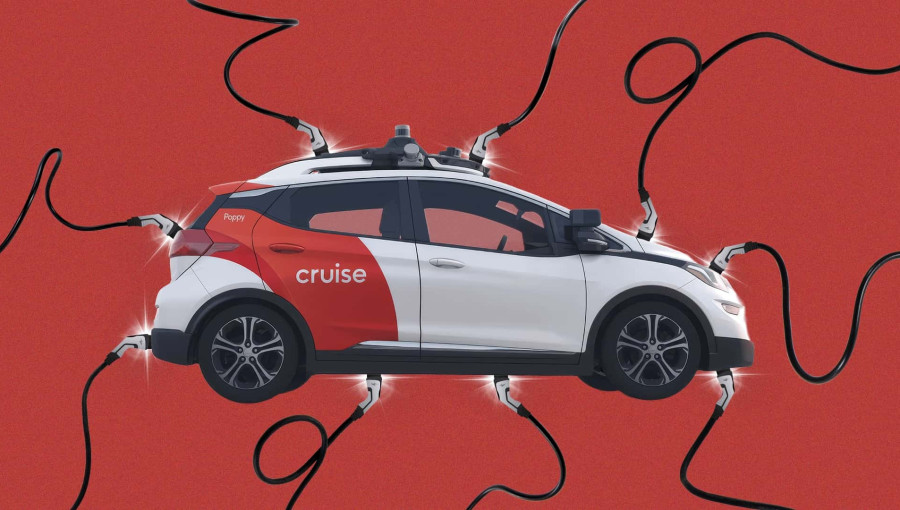
The rapid advancement of autonomous driving technology is presenting a significant challenge for the electric vehicle industry: high energy consumption. While EVs are already sensitive to temperature and speed, the massive computing power required for self-driving systems can drastically reduce vehicle range. Recent studies suggest that a global fleet of autonomous cars could eventually rival the energy consumption of worldwide data centers. Consequently, automakers like Lucid and Rivian are now prioritizing computational efficiency to prevent AI from draining batteries prematurely.
Beyond climate control and high-speed driving, the latest drain on electric vehicle batteries comes from the sophisticated hardware required for autonomy. Modern self-driving systems rely on an extensive suite of sensors, including up to 14 cameras, Lidar, radar, and ultrasonic sensors. Processing this information in real-time requires immense memory and computing power, which directly impacts the number of kilometers a vehicle can travel on a single charge.
The stakes are particularly high for the burgeoning robotaxi market. Industry leaders like Uber are investing billions into partnerships with Lucid and Rivian, aiming to deploy millions of autonomous vehicles by 2035. For these commercial fleets, which are expected to operate up to 23 hours a day, every kilowatt-hour spent on data processing is a kilowatt-hour not used for earning fares. A 2023 MIT study highlighted the potential scale of this issue, noting that if one billion autonomous vehicles were on the road, their combined energy footprint could match that of all global data centers.
The physical impact of this technology is already visible in current testing. For instance, an autonomous version of the Hyundai Ioniq 5 saw its driving range drop from approximately 488 kilometers to just 270 kilometers—a 46 percent decrease attributed largely to the power-hungry sensor and computer arrays. Early prototypes often consumed between 1.5 and 3 kilowatts just to perceive their surroundings. If a taxi with a 60-kWh battery pack ran these systems for a 20-hour shift, it would consume two-thirds of its energy capacity without the vehicle even moving.
To combat this, manufacturers are shifting their focus toward custom hardware. Rivian has developed its own “RAP1” system-on-a-chip, which reportedly offers eight times the performance of previous processors while only increasing power consumption by 50 percent. Meanwhile, Lucid is aiming for a “radical efficiency” goal of 500 watts for self-driving systems, down from the current industry average of roughly 1 kilowatt. By streamlining sensor counts and improving software algorithms, engineers hope to ensure that the electronic brains of future cars do not become their primary energy liability.
The transition to more efficient hardware is also seeing progress in sensor technology. Lidar units, once notorious for their high energy draw and aerodynamic drag, have been miniaturized and optimized. Modern solid-state Lidar can now operate on just tens of watts. As the industry moves toward 2030, the goal is to balance the massive data requirements of “Large Driving Models” with the limited energy reserves of mobile battery packs, ensuring that the promise of autonomous mobility does not come at the cost of practical driving range.