
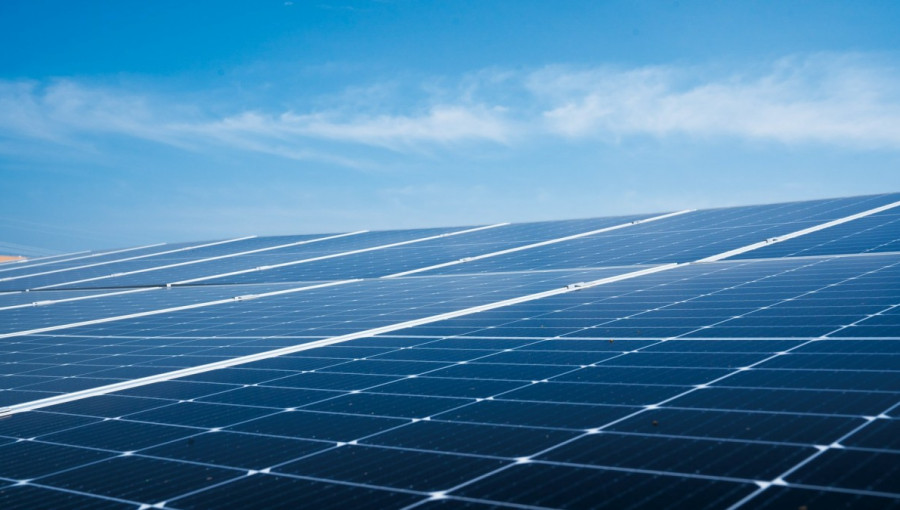
New research from the National Taipei University of Technology suggests that offshore floating photovoltaic (OFPV) systems could be a transformative solution for land-constrained nations. A comparative study published in the Journal of Renewable and Sustainable Energy revealed that floating solar panels generate 12 percent more energy than their land-based counterparts. This performance boost is attributed to the natural cooling effect of seawater, which enhances the efficiency of the solar modules. Beyond increased power generation, these systems offer a strategic pathway for countries to expand renewable energy capacity while mitigating the land-use conflicts often associated with large-scale solar farms.
For Taiwan, these findings arrive at a critical juncture. The island faces an existential energy crisis, characterized by an isolated power grid and a heavy reliance on imported natural gas. With limited land available for traditional utility-scale solar or wind projects, the ability to deploy solar technology on coastal waters provides a vital alternative. By utilizing the sea, Taiwan could potentially diversify its energy mix and improve national security, reducing its vulnerability to the global market shocks and supply chain disruptions that currently threaten its energy-intensive manufacturing sector.
The implications of this study extend well beyond Taiwan, offering a viable model for other densely populated nations. As global competition for land intensifies, offshore floating solar serves as both a technical and strategic asset. By leveraging the cooling properties of water to improve system performance, countries can achieve greater carbon emission reductions and meet ambitious climate goals without sacrificing valuable land. Experts suggest that this approach could be particularly beneficial for population hotspots in Southeast Asia and West Africa, where the demand for clean, reliable energy is high but space for infrastructure is increasingly scarce.