
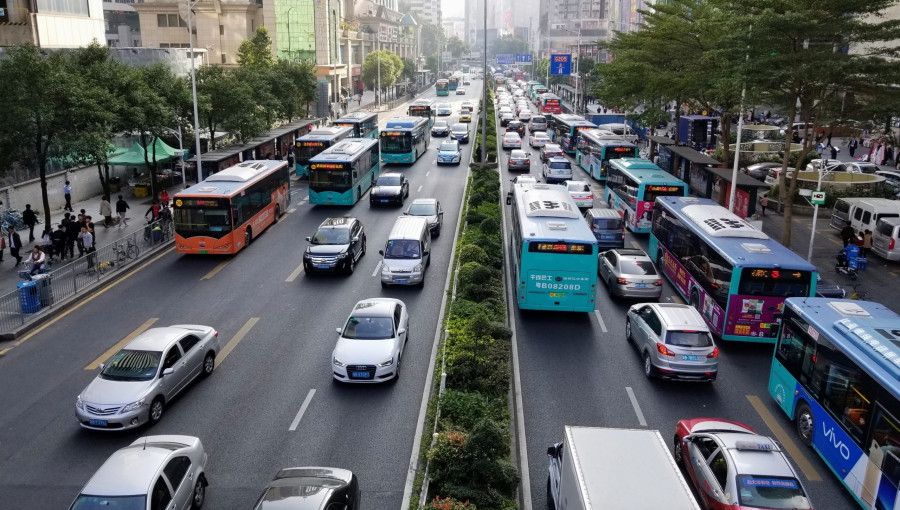
Latin America and the Caribbean have reached a significant milestone in sustainable transportation, with more than 9,900 electric buses now in active service across the region. While public discourse often prioritizes personal electric vehicles, the transition of fleet transportation is essential for reducing the toxic air pollution and climate-warming emissions associated with diesel-powered transit. By replacing fossil fuel-reliant fleets with battery-powered and trolleybus models, these nations are not only improving public health and air quality but are also moving toward greater energy independence by utilizing domestic renewable sources like solar, wind, and hydropower.
The shift toward electric public transit offers clear advantages over traditional diesel engines, which are linked to severe health risks and environmental degradation. Beyond the immediate benefit of eliminating exhaust fumes for passengers and drivers, electric buses provide a more cost-effective alternative to imported fossil fuels. Furthermore, the large battery packs integrated into these vehicles offer the potential to function as energy storage assets, supporting grid stability through virtual power plants. This transition is supported by major manufacturers such as BYD, Foton, Yutong Bus, and Zhongtong Bus, which are currently leading the supply of these electric fleets.
While individual city acquisitions often involve smaller batches of vehicles, the cumulative growth of electric bus adoption is accelerating across the region. Santiago, Chile, stands out as a primary example of this progress, reportedly operating a fleet of over 4,000 electric buses. As more municipalities prioritize the replacement of aging, polluting diesel fleets with clean, electric alternatives, the long-term vision of a fully electrified public transportation network becomes increasingly attainable. This move toward electrification, paired with the integration of renewable energy, represents a critical step in reducing the geopolitical and environmental costs associated with global fossil fuel dependency.