
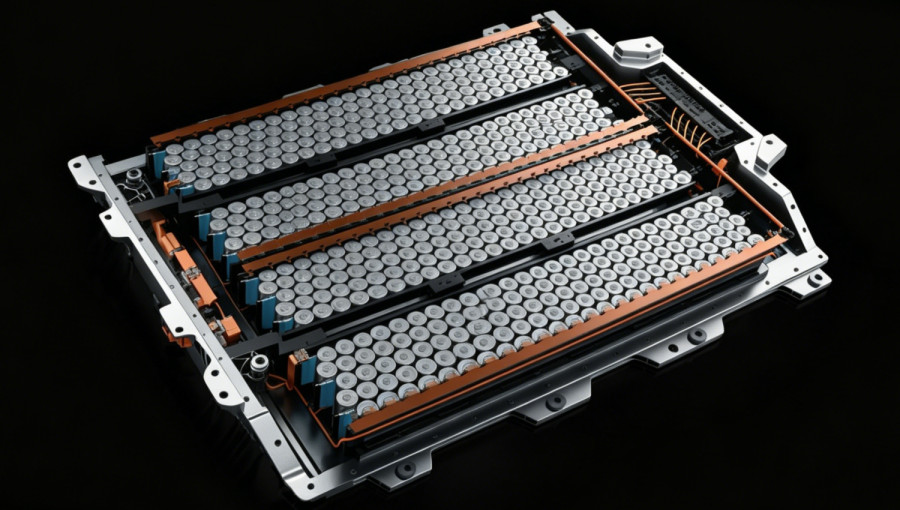
Chaowei Group, a key supplier for Chery Automotive, has officially launched mass production at its new sodium-ion battery facility in Anqing. The project, representing a 517.65 million USD investment, aims to provide affordable, high-performance power solutions for electric vehicles, particularly those requiring reliable low-temperature operation. With an initial annual capacity of 2GWh, the plant is a critical step in scaling lithium-free battery technology. By utilizing hard carbon anodes to overcome the structural challenges of larger sodium ions, the facility is positioned to drive down costs and compete directly with traditional lithium-based energy storage systems.
The transition to sodium-ion technology necessitates a fundamental shift in battery chemistry. Because sodium ions are significantly larger than lithium ions, they cannot be effectively processed using standard graphite anodes. Instead, manufacturers are turning to hard carbon, which has become the primary factor in determining the price of these batteries. The industry is currently split between using coal-based or synthetic-resin-based hard carbon, with companies like Wanhua Chemical exploring both options to balance performance and cost. While synthetic phenolic resin provides superior discharge parameters, coal-derived materials offer a more economical path for mass-market vehicles.
Economic projections suggest that the cost of hard carbon is trending downward, with prices expected to fall to approximately 5,176.50 USD per ton. This reduction is essential for achieving cost parity with lithium batteries, a goal that is rapidly becoming a reality for major manufacturers. As the industry scales, companies like CATL and Changan are already integrating sodium-ion platforms into their entry-level vehicle lineups. To support this growth, upstream suppliers are expanding their infrastructure, including a recent project by Shaanxi Coal to produce 1,000 tonnes of hard carbon annually, ensuring a stable supply chain for the automotive sector.