Aberdeen Scraps Hydrogen Bus Fleet For Electric Transition
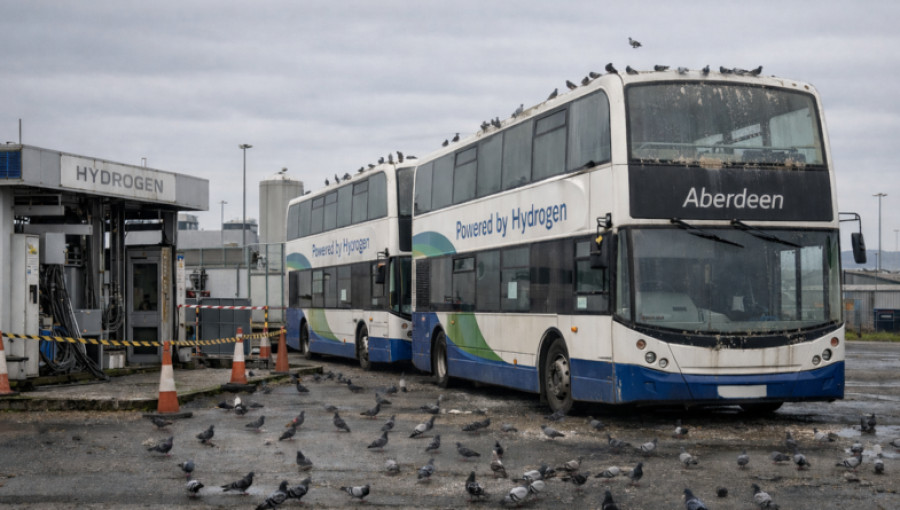
Aberdeen City Council has officially ended its ambitious hydrogen bus program, opting to retire and sell its fleet of 25 double-decker vehicles. Once touted as a global pioneer in clean transport, the initiative succumbed to prohibitive operating costs, infrastructure failures, and the superior efficiency of battery electric alternatives. The decision marks a significant pivot for the city, which is now navigating the financial complexities of withdrawing from a major hydrogen production joint venture with BP as it shifts focus toward simpler electrification.
The retirement of the world’s first hydrogen double-decker fleet signals the end of a chapter that began with high hopes for a local hydrogen economy. Despite significant initial investment, including £12.8 million in government and EU funding for the vehicles, the project struggled with infrastructure reliability and mounting expenses. Each bus cost approximately £500,000, but the council now faces the challenge of finding buyers in a secondary market that is virtually non-existent for aging hydrogen technology.
At the heart of the failure was the Kittybrewster refueling station, which reached the end of its operational lifespan earlier than anticipated. The facility, which cost £1 million to build, required annual maintenance and operating costs of roughly £325,000—nearly 30% of its initial capital expenditure every year. When the operator, BOC, requested long-term financial guarantees to fund essential overhauls of the electrolysis stacks and compressors, the council found the investment unjustifiable. Without a reliable fuel source, the buses remained idle for over a year before the final decision to decommission the fleet was made.
Financial analysis reveals a stark disparity between hydrogen and other energy sources. In Aberdeen, the cost of hydrogen reached between £20 and £25 per kg, translating to an operational cost of up to £2.23 per kilometer. In contrast, battery electric buses operate at approximately £0.59 per kilometer, while traditional diesel remains around £0.93. This gap is largely due to energy efficiency; battery electric systems convert over 80% of grid power to wheel movement, whereas the multi-step process of hydrogen electrolysis, compression, and fuel cell conversion yields less than 35% efficiency.
The collapse of the bus program has created a domino effect on Aberdeen’s broader energy strategy. The city is currently negotiating its exit from a joint venture with BP, which aimed to build a £20 million hydrogen production hub at Hareness Road. This facility was intended to scale production to 800 kg per day, but with the primary source of demand—the bus fleet—now removed, the project has become a significant fiscal liability. The council may still be responsible for sunk costs related to planning and site preparation as it attempts to transfer the venture's obligations.
This outcome mirrors trends across Europe and North America, where cities like Brussels and Whistler have also abandoned hydrogen bus trials in favor of electrification. Industry experts suggest that the inherent complexity of maintaining high-pressure storage and specialized fuel cells makes hydrogen less competitive for urban transit compared to battery electric systems, which are simpler to maintain and integrate into existing depots. As Aberdeen pivots toward battery electric infrastructure, it joins a growing list of municipalities concluding that the future of public transport lies in direct electrification.