Albania Solar Energy Capacity Surges Through Private Investment
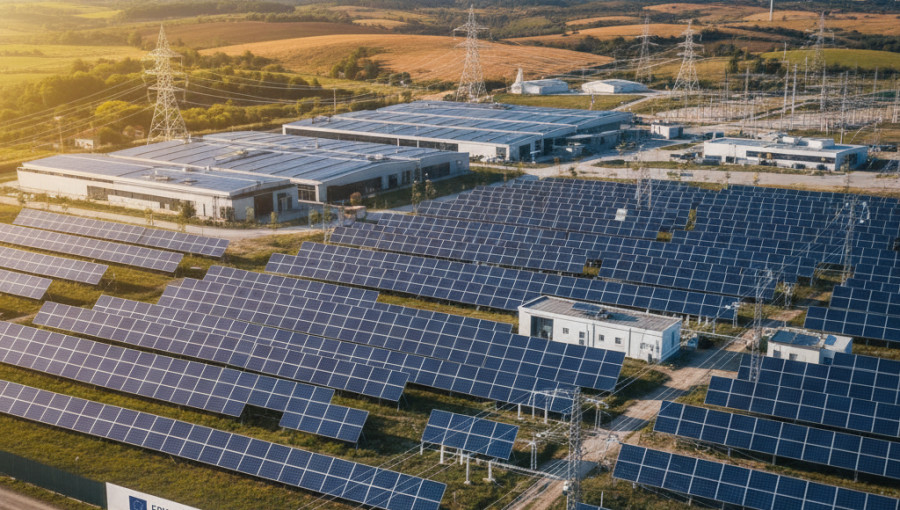
Albania has significantly expanded its renewable energy footprint, adding between 180 MW and 210 MW of solar capacity throughout 2025. This surge, primarily driven by utility-scale developments and merchant investments, brings the nation’s total cumulative capacity to an estimated 600 MW to 650 MW. While government-led auctions previously spearheaded growth, the market is now transitioning toward private investment and commercial interest, signaling a maturing energy sector focused on long-term sustainability and regional market integration.
According to analysis by Dr. Lorenc Gordani, a prominent energy market lawyer and lecturer, Albania’s solar sector is experiencing a period of robust expansion. Market observations and project tracking indicate that the country’s total capacity has reached a milestone between 600 MW and 650 MW. This progress is largely attributed to the utility-scale segment, which continues to attract substantial interest from international developers already established in the wider southeastern European region.
The landscape of Albanian energy investment is evolving from a reliance on state-backed auctions to a more market-oriented approach. Gordani noted that merchant projects—those operating without fixed government subsidies—are becoming increasingly central to the national strategy. This shift reflects growing investor confidence in the local electricity market, as evidenced by several merchant solar projects successfully navigating the permitting and construction phases over the past year.
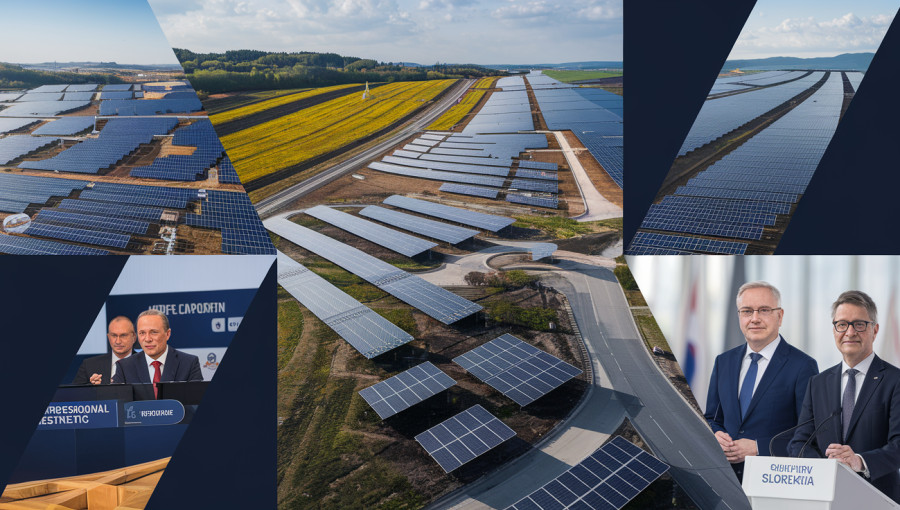
A significant example of this development is the 50 MW Belsh PV project, situated approximately 50 kilometers south of Tirana. The project has moved into the tendering and pre-construction phase after securing essential financing, including a €30 million loan from the European Bank for Reconstruction and Development (EBRD) and a grant exceeding €9 million from the Western Balkans Investment Framework. Such projects underscore the increasing bankability of large-scale solar installations in the region.
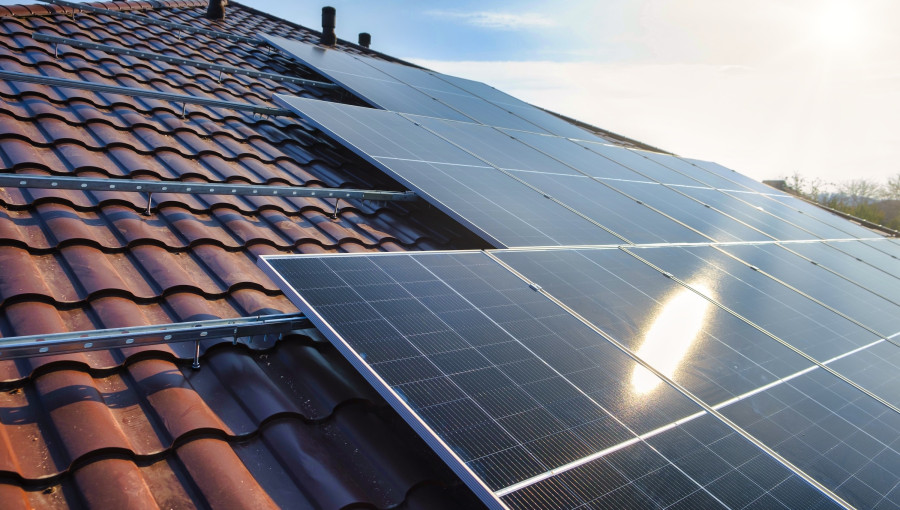
Beyond utility-scale sites, the Commercial and Industrial (C&I) sector is gaining momentum. Businesses are increasingly adopting rooftop solar installations to protect themselves against the volatility of energy prices. While the residential market remains the smallest segment, interest from homeowners is rising as technology becomes more affordable. However, experts suggest that further growth in residential solar will require simplified regulatory frameworks and better access to specialized financing.
To sustain this upward trajectory, the focus is shifting toward grid stability and system integration. Future development will likely depend on clearer procedures for grid connections, the establishment of corporate power purchase agreement (PPA) frameworks, and more transparent rules regarding curtailment risks. Furthermore, the modernization of the distribution system through digitalization and the rollout of smart meters by the operator OSHEE are seen as vital steps in managing higher levels of solar penetration.
While 2025 saw fewer new auctions finalized compared to previous years, the groundwork laid by earlier initiatives continues to yield results. In 2024, Albania successfully held its first unsubsidized large-scale solar procurement, which attracted nearly 284 MW in proposals at competitive prices. This transition toward a market-driven environment suggests that Albania is successfully positioning itself as a competitive hub for renewable energy in the Balkans.