American Farmers Turn To Solar For Financial Stability
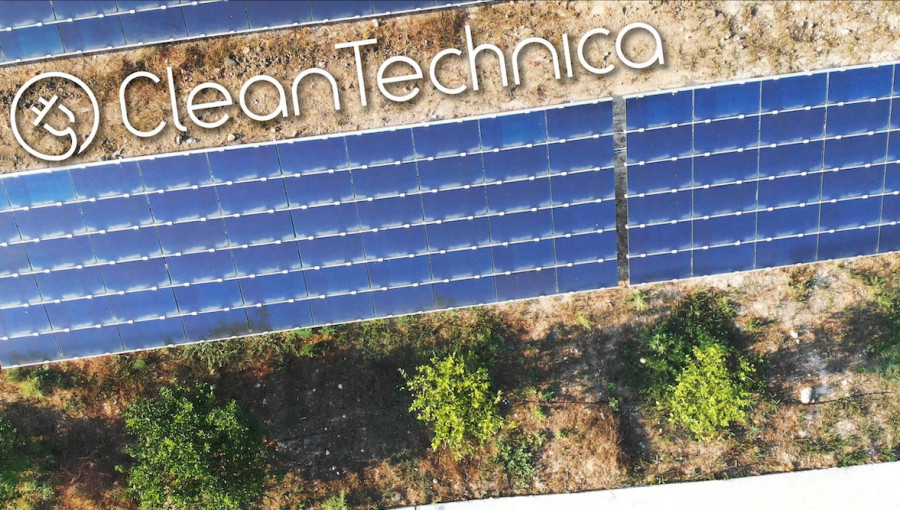
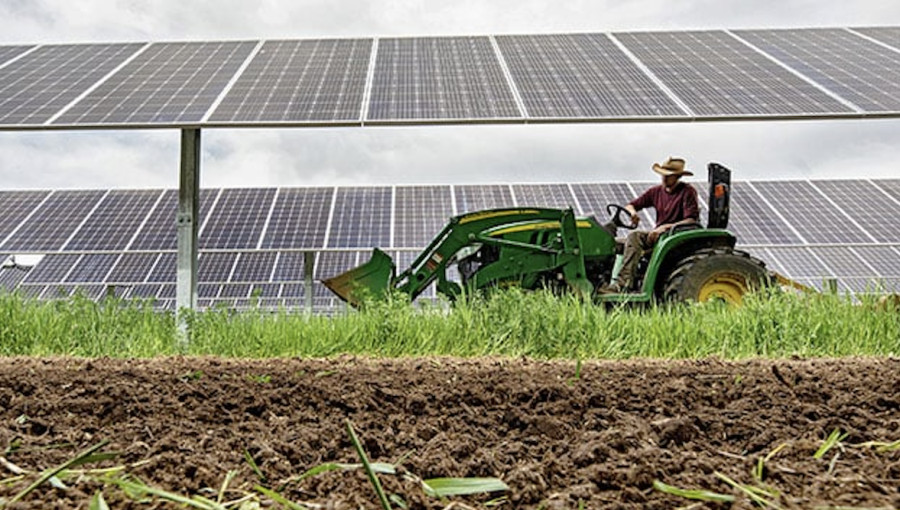
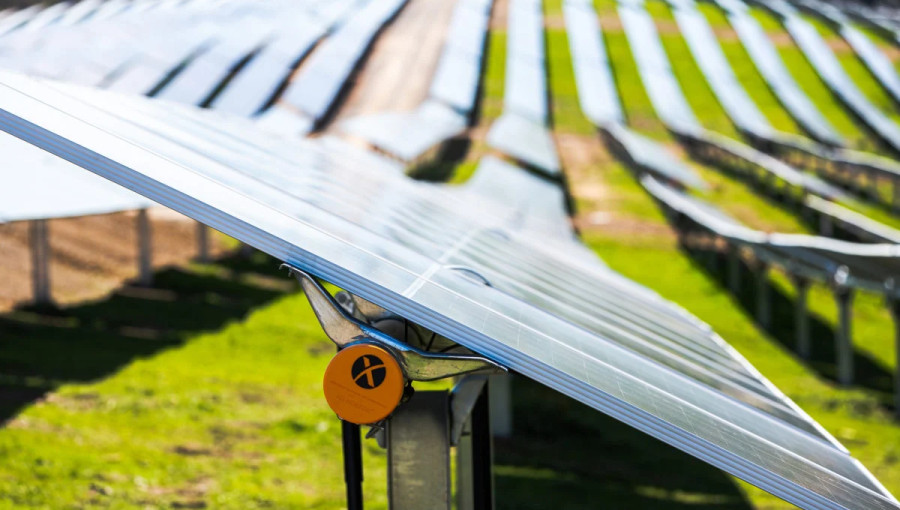
American agricultural producers are increasingly turning to solar energy as a vital strategy to maintain financial stability amid rising operational costs and volatile commodity markets. By incorporating solar panels into their land management, farmers are securing a consistent revenue stream that is independent of weather patterns or global trade fluctuations. However, this shift faces growing opposition from local regulatory bodies attempting to restrict solar development on agricultural land. Proponents argue that these land-use decisions should remain with the farmers, who utilize renewable energy to preserve their multi-generational legacies and improve soil health.
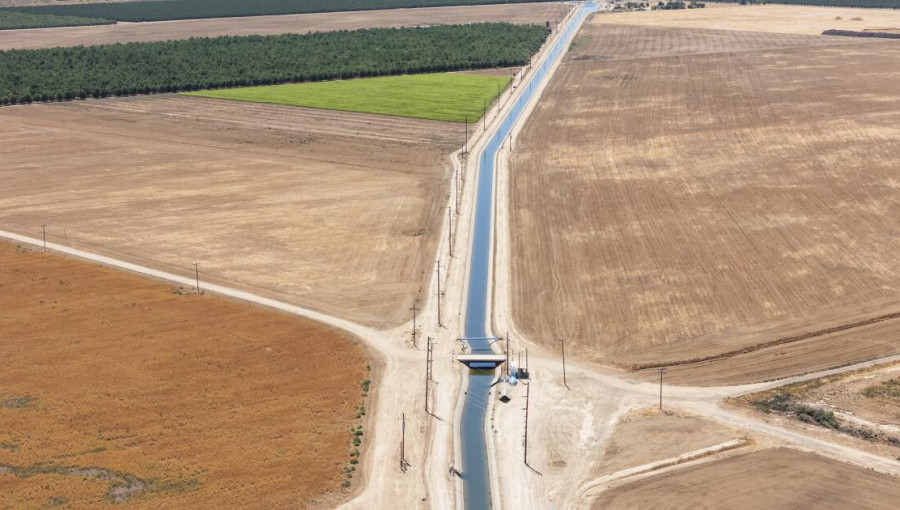
Across the United States, from the water-scarce regions of California to the plains of Iowa, solar energy is being adopted as a reliable "cash crop." In states like Oklahoma and Texas, farmers and ranchers are utilizing solar leases to create a financial buffer, allowing them to retain ownership of their land during agricultural downturns. In California’s Central Valley, where water rights are increasingly restricted, solar installations offer a productive use for land that can no longer be irrigated, providing income without demanding precious water resources.
Despite these economic advantages, a wave of local restrictive zoning and state-level interventions is threatening the autonomy of landowners. In Ohio, for instance, local officials recently blocked a solar project intended to help a soybean farmer cover significant medical debts, forcing the family to reconsider the viability of their entire operation. These regulatory hurdles often ignore the fact that solar development accounts for a negligible portion of farmland loss. Data indicates that solar installations occupy only 0.05% of American agricultural land, whereas urban sprawl and residential development were responsible for 95% of farmland conversion between 2001 and 2016.
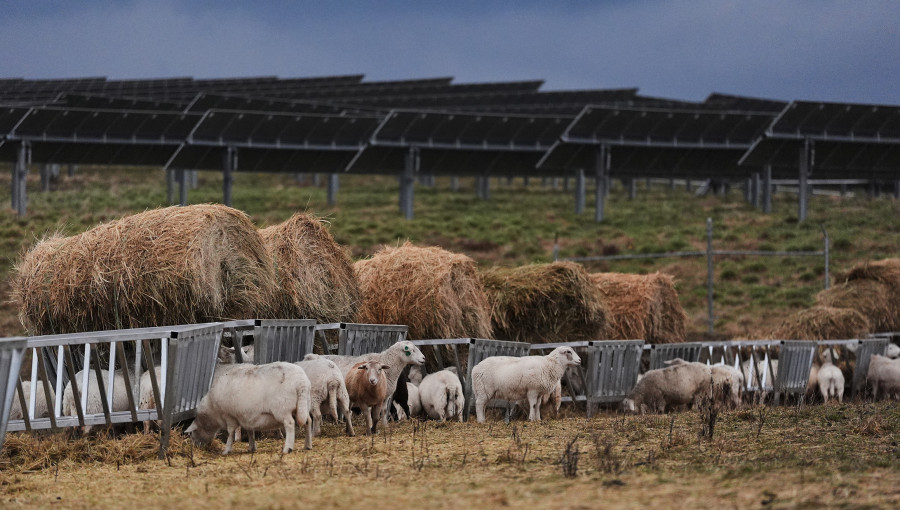
The integration of energy and agriculture, known as agrivoltaic practices, further debunks the idea that solar replaces food production. By co-locating solar panels with specific crops and livestock, farmers are maximizing the utility of every hectare. Sheep grazing is frequently used for vegetation management under solar modules, reducing maintenance costs while producing wool and meat. Additionally, shade-tolerant crops such as leafy greens, peppers, and berries have shown remarkable resilience under panels. One study highlighted that cherry tomato yields doubled under solar structures, while water efficiency improved by 65%.
Environmental concerns regarding the lifecycle of solar technology are also being addressed through industry standards. Modern solar panels do not contain harmful levels of toxins and are increasingly managed through robust recycling programs and decommissioning plans that ensure the land can be returned to traditional farming in the future. Furthermore, the Department of Energy estimates that even if the entire national power grid were decarbonized, the required land for solar would only equal about 0.5% of the contiguous U.S. land area—roughly the same footprint currently occupied by surface coal mining.
Beyond the individual farm, solar projects contribute significantly to the broader rural economy. In Texas alone, the current utility-scale solar infrastructure is projected to generate $12 billion in tax revenue for local governments, funding essential services like schools and infrastructure. By allowing farmers the freedom to innovate with solar technology, communities are fostering a more resilient agricultural sector that can withstand the economic pressures of the 21st century. Ultimately, the choice to adopt solar is a matter of property rights and long-term land stewardship that rests with the farmers themselves.