Balcony Solar Movement Gains Traction Across The US
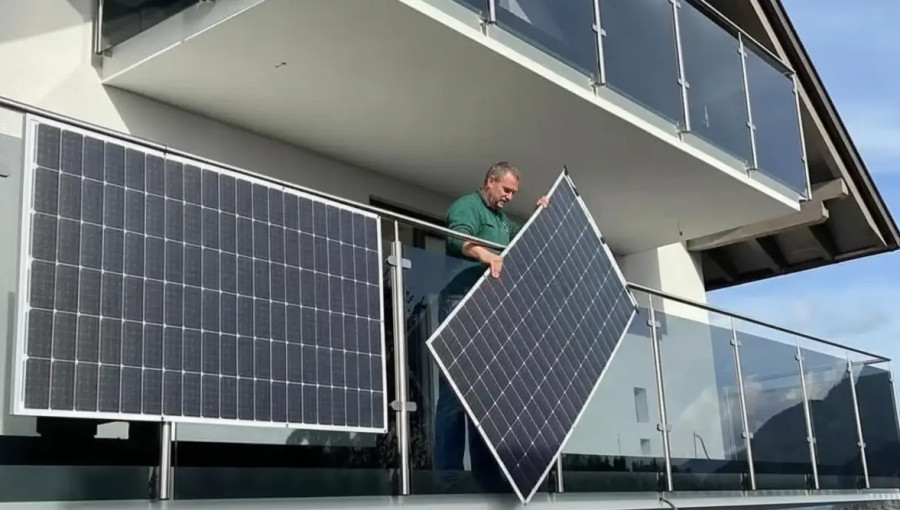
The balcony solar movement is rapidly gaining traction in the United States as a practical response to surging energy costs and fossil fuel volatility. Originally popularized in Europe, these portable plug-in solar panels allow apartment dwellers and residents with limited roof space to generate their own clean electricity. With significant legislative progress in states like Illinois and the introduction of new safety certifications, the U.S. is poised to follow Germany’s lead in adopting decentralized solar technology. This shift offers a resilient alternative for consumers looking to offset electricity expenses amidst fluctuating global commodity markets.
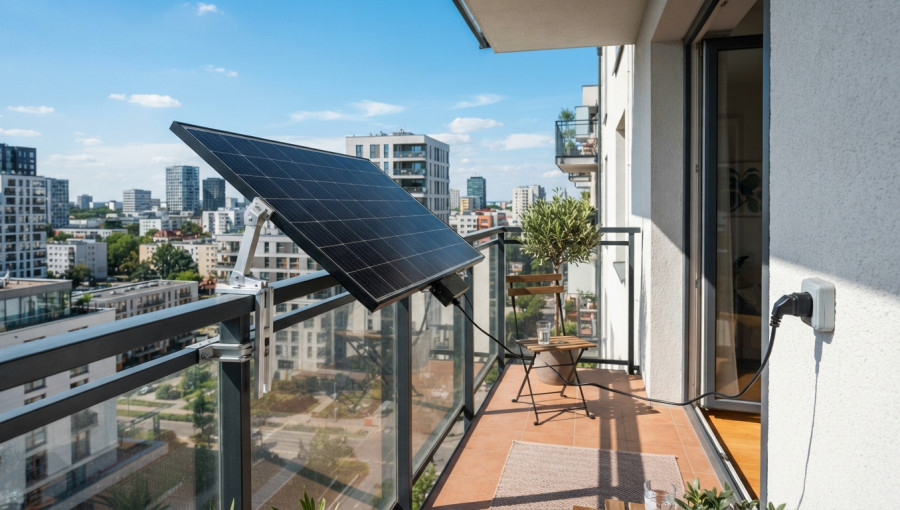
The rise of balcony solar systems in the U.S. mirrors a successful trend in Germany, where the technology has already reached a major milestone. German households registered hundreds of thousands of units over the past two years, surpassing the one million mark for installed balcony panels. This surge has attracted major industry players like the California-based Enphase, which recently launched a dedicated balcony solar system designed for easy installation on patios and small outdoor areas. These systems are essentially "plug-and-play" appliances that feed electricity directly into a standard household outlet, making them as portable as any other domestic device.
The momentum in the U.S. comes at a time of extreme volatility in the fossil fuel sector. Recent geopolitical conflicts in the Middle East, including military operations involving Iran, have caused significant disruptions in global energy markets. While traditional power sources like coal and natural gas have seen prices skyrocket, the cost of transporting domestic coal has also risen due to the increased price of diesel fuel. In 2022, transportation alone accounted for over 41% of the cost of coal delivered to power plants, a figure that continues to climb as fuel costs remain high.
Legislative barriers that previously hindered the growth of the U.S. market are now beginning to dissolve. In Illinois, the state legislature is debating Senate Bill 3104, which seeks to streamline the adoption of balcony solar. The bill proposes replacing the current requirement for utility company pre-authorization with a simple notification form. It also aims to prevent property owners and homeowner associations from placing unreasonable restrictions on tenants or members who wish to install these systems. Proponents of the bill, including State Senator Rachel Ventura and Representative Daniel Didech, emphasize that this legislation will make renewable energy more affordable and accessible to a broader demographic.
The proposed Illinois law focuses primarily on small-scale systems in the 300 to 400 watt range, while providing guidelines for larger installations up to 1,200 watts. To ensure consumer safety, the legislation requires that these systems be certified by a recognized laboratory. Responding to this need, Illinois-based UL Solutions recently introduced the UL 3700 certification program. This evaluation standard focuses specifically on the construction and performance of interactive plug-in photovoltaic equipment, providing a safety framework for manufacturers and consumers alike.
While Utah remains the only state to have passed a comprehensive law governing balcony solar systems up to 1,200 watts, many other regions are following suit. Maryland, Minnesota, New Hampshire, New York, Pennsylvania, Vermont, and Virginia are all currently considering similar legislation. As the legal landscape evolves and safety standards become more established, balcony solar is expected to become a cornerstone of urban energy resilience, allowing more Americans to harness clean power regardless of their housing situation.