Balcony Solar Poised To Go Mainstream By 2030

Plug-in solar technology, commonly known as balcony solar, is poised to become a global mainstream energy solution by 2030. According to Craig Morris, CEO of the German association BVSS, these systems offer an affordable entry point for apartment dwellers and households unable to invest in traditional rooftop installations. While Germany currently leads the market with millions of units, the technology faces regulatory hurdles regarding safety standards and grid integration. However, the rise of integrated battery storage and innovative financing models in the Global South are expected to drive worldwide adoption over the next decade.
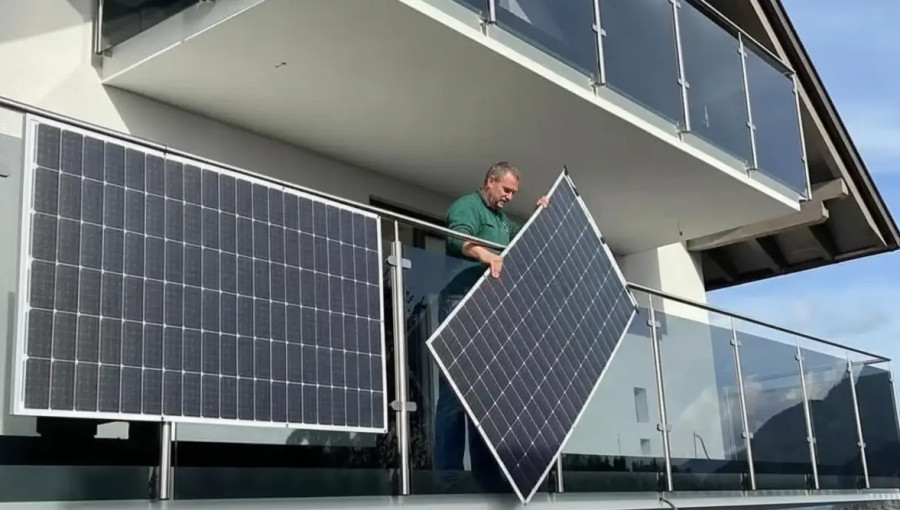
The evolution of plug-in solar marks a significant shift in distributed energy generation. Unlike traditional rooftop systems that require professional installation and significant capital, plug-in systems allow residents to connect a solar panel directly into a standard household power socket. This accessibility is particularly vital for those living in multi-unit buildings where roof access or structural modifications are often restricted. By utilizing microinverters, which convert DC to AC at the solar module level, these systems operate independently and efficiently even in small-scale setups like balconies, carports, or gardens.
In Germany, the market has already reached a critical mass. Official records indicate 1.3 million registered units, though experts believe the actual number is significantly higher due to unregistered systems from the technology's early "gray area" phase. The primary driver is cost; a basic system consisting of two solar modules and an inverter now costs approximately €500 in Germany, a fraction of the high costs typically required for a full rooftop array. For many households, this setup can cover up to 50% of their annual electricity needs, which usually range between 2,000 and 3,000 kWh.
Despite its growth, the sector faces ongoing regulatory challenges. Standards organizations remain cautious about the safety of using standard plugs, specifically concerning the theoretical risk of live pins when a system is disconnected. While modern inverters are designed to shut off automatically to prevent electrical shock, the industry is working to establish formal standards that maintain safety without doubling costs through mandatory professional electrical work. Additionally, resistance from property managers and landlords remains a hurdle for renters, even as legislative support for solar rights increases across Europe.
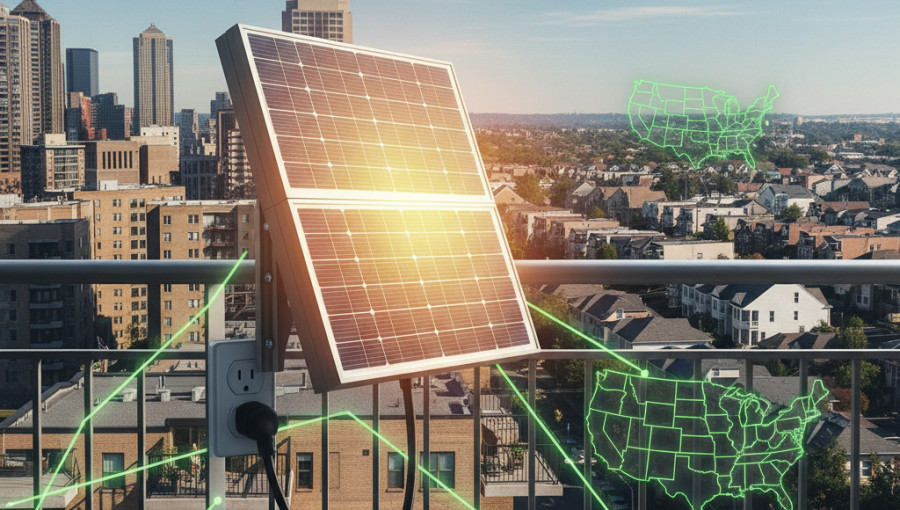
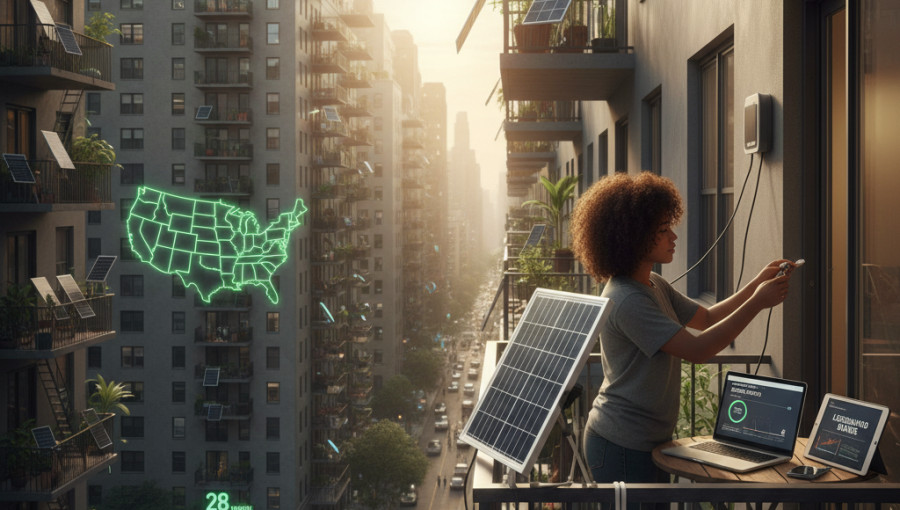
Looking toward 2030, the integration of battery storage is expected to transform plug-in solar from a simple generation tool into a grid-stabilizing asset. Currently, 75% of new systems sold in Germany include batteries, allowing users to store energy for evening use rather than feeding excess power into the grid during midday peaks. This trend is also gaining traction in the United States, where over 30 states are pursuing supportive policies. In the Global South, where upfront costs are a barrier, "pay-as-you-go" (PAYGO) models and social leasing are being developed to bring clean, decentralized power to lower-income regions, potentially bridging gaps in grid reliability and reducing CO2 emission levels worldwide.