Breakthrough Solar Cell Hits Record 30 Percent Efficiency
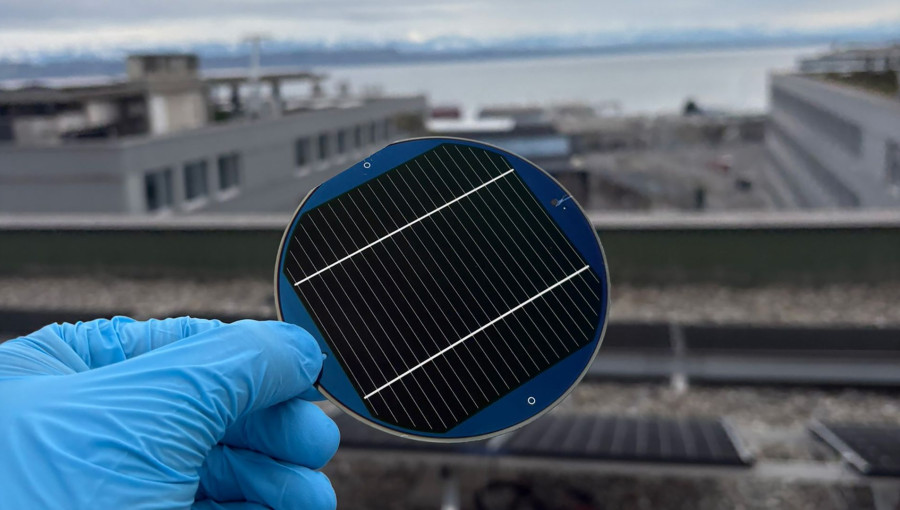
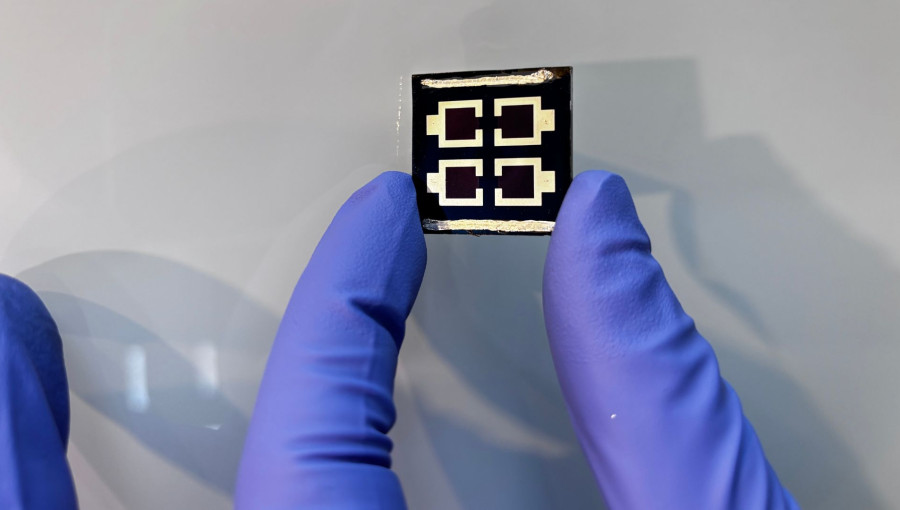
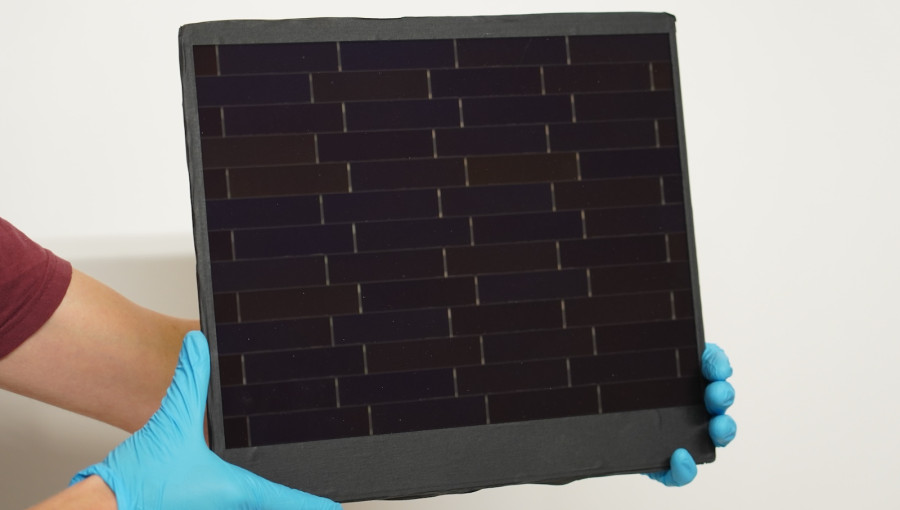
Researchers from EPFL and CSEM have achieved a significant milestone in renewable energy by developing a triple-junction solar cell with a certified efficiency of 30.02%. This breakthrough surpasses the previous record of 27.1% and marks a major step toward making high-performance photovoltaics industrially viable. By combining a silicon base with two perovskite thin-film layers, the team has created a device that rivals expensive space-grade technology at a fraction of the cost. This innovation could soon transform the solar industry by maximizing energy output for residential and utility-scale projects.
The recent achievement by the Swiss research team represents a shift from laboratory prototypes toward practical, high-efficiency solar solutions. While traditional single-junction panels are limited in how much sunlight they can convert, multi-junction designs stack different materials to capture a broader spectrum of solar energy. Historically, the highest efficiencies were reserved for III-V multi-junction cells used in aerospace applications. Although these can reach 37% efficiency, they cost approximately 1,000 times more per watt than terrestrial alternatives. The new perovskite-silicon design aims to bridge this performance gap while maintaining affordability.
To reach the 30.02% threshold, the engineering team addressed two primary technical hurdles: low voltage in the top layer and insufficient current in the middle section. They introduced a specialized molecule to optimize the formation of perovskite crystals, which minimized material defects and boosted the top cell’s voltage to 1.4 volts. For the middle layer, a novel three-step fabrication process was implemented to enhance the absorption of near-infrared light. Additionally, the researchers integrated nanoparticles between the layers to reflect light back into the middle cell, further increasing the overall current.
The pace of development for this technology has been remarkably rapid. In 2018, the team’s initial demonstration yielded only 13% efficiency. Reaching over 30% in just a few years suggests that triple-junction designs could eventually exceed 40% efficiency. Because the design utilizes silicon and perovskite—materials that are relatively inexpensive and easier to manufacture at scale—this technology is positioned to become a cornerstone of the next generation of solar modules.
As the findings are published in the journal Nature, the research team is shifting its focus toward the long-term durability of these cells and the challenges of large-scale production. If these devices can maintain their performance under real-world conditions over several decades, they could significantly reduce the physical footprint and cost of solar installations globally, providing a more efficient path toward reducing CO2 emissions.