Brussels To Ban Shared Electric Scooters By 2027
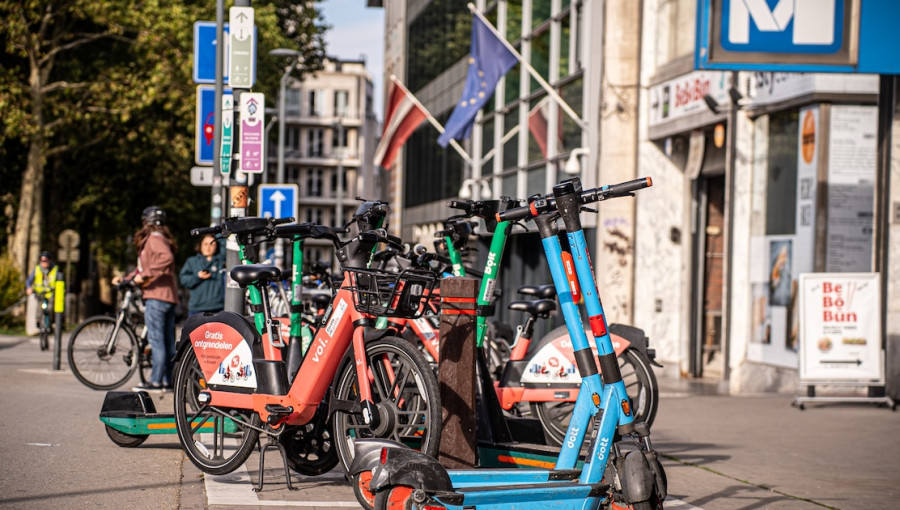
Brussels authorities have announced a significant shift in urban mobility policy, confirming that shared electric scooters will be banned throughout the region starting January 1, 2027. The decision follows the expiration of current operator permits at the end of 2026, after which no new licenses for shared scooter services will be issued. Officials cited a sharp rise in traffic accidents, public nuisance concerns, and the misuse of these vehicles in criminal activities as primary drivers for the ban. While shared scooters will disappear, the government intends to maintain and potentially restructure the availability of shared bicycles.
The move comes after a concerning increase in safety incidents, with 666 electric scooter users reported injured last year, marking a 26 percent rise compared to 2024. Beyond road safety, authorities highlighted that these vehicles were involved in 25 shooting incidents over the past year. By removing these scooters from public spaces, the government aims to assist police and judicial services in their ongoing efforts to curb local crime. Officials noted that the decision is also a response to the general disruption caused to other road users and the improper disposal of units, such as those found in the Brussels canal.
Despite the total phase-out of shared scooters, the government emphasized that the broader landscape of soft mobility will remain supported. The existing shared bicycle service, Villo!, will have its concession extended until at least 2028 to ensure continuity for commuters. Future market entrants will be restricted to offering only shared bicycle services, though specific regulatory frameworks for this new authorization system are still being finalized. Meanwhile, private operators have expressed disappointment, warning that the policy change may simply encourage residents to shift toward owning private electric scooters instead of utilizing shared options.