CATL And Changan Launch First Sodium Ion EV
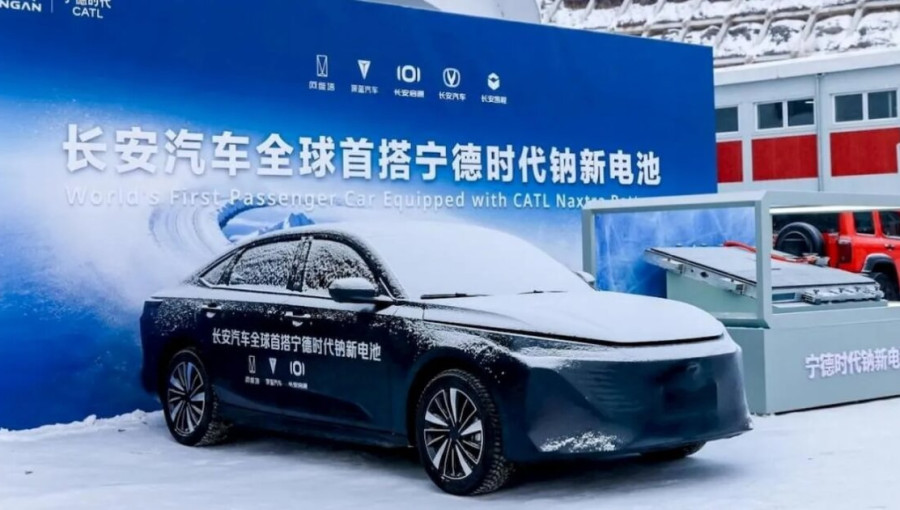
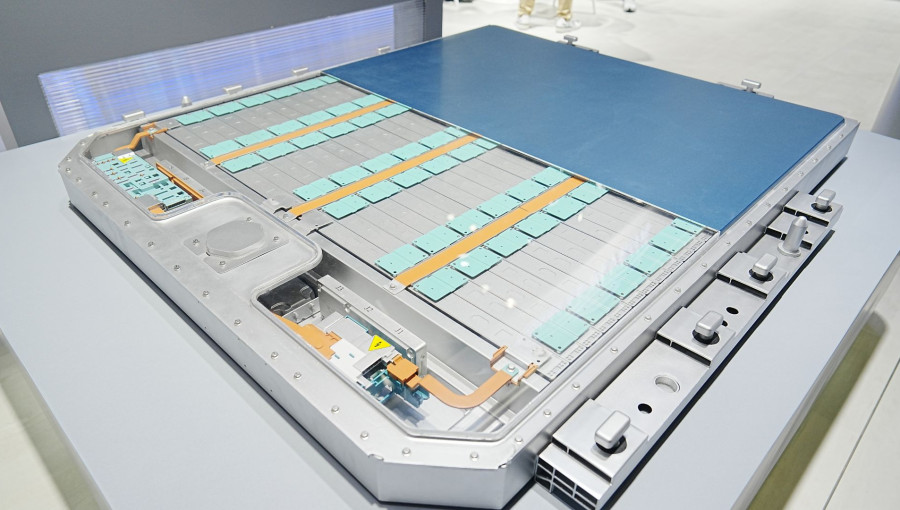
Chinese battery manufacturer CATL and automaker Changan have announced the launch of the Changan Nevo A06, the first mass-produced electric vehicle powered by sodium-ion batteries. Scheduled for a mid-2026 market release, the vehicle utilizes CATL’s Naxtra cells, representing a major shift from traditional lithium-ion technology. With an energy density of 175 Wh/kg and superior performance in extreme cold, this development marks the commercialization of a cost-effective, sustainable alternative to lithium-based chemistries, potentially transforming the global electric vehicle and energy storage markets.
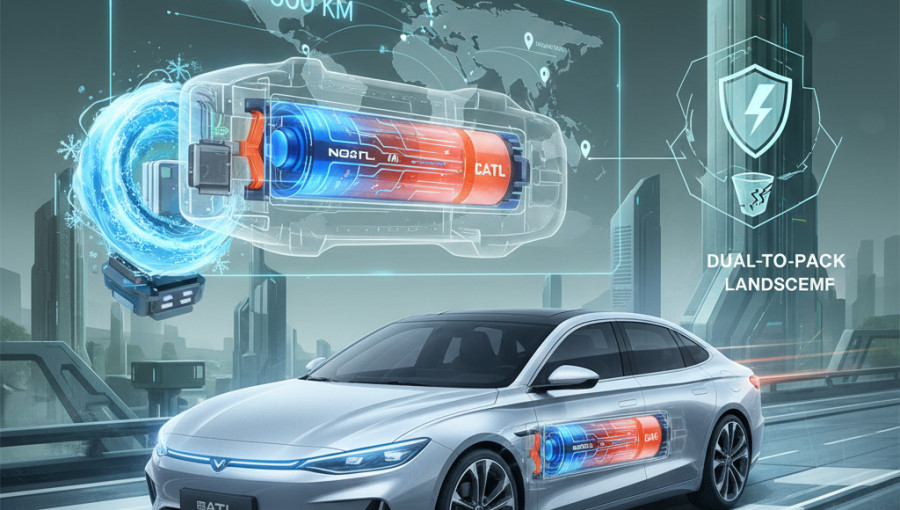
The Nevo A06, a compact sedan measuring 4.72 meters in length with a 2.75-meter wheelbase, serves as the debut platform for the Naxtra battery technology. Following a decade of research and an investment of approximately 1.4 billion USD, CATL has achieved a range of over 400 kilometers for the initial model, with future iterations expected to reach between 500 and 600 kilometers. While sodium-ion technology currently trails lithium iron phosphate (LFP) in pure energy density, it offers significant advantages in thermal stability and operational reliability under harsh conditions.
One of the most notable features of the Naxtra cell is its resilience in sub-zero temperatures. At -30 °C, the battery provides nearly three times the discharge power of a standard LFP pack. It maintains over 90% of its capacity at -40 °C and remains functional even at -50 °C. Furthermore, the battery demonstrated an exceptional safety profile during rigorous testing, producing no smoke or flames during puncture, crush, or saw trials. This stability, combined with the absence of cobalt and nickel, positions sodium-ion as a secure and environmentally friendly option for the next generation of transport.
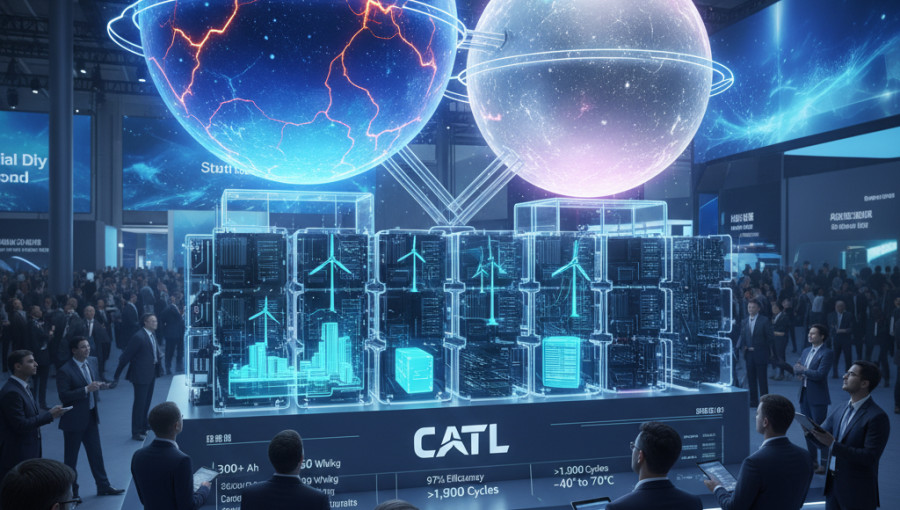
Beyond passenger vehicles, CATL is scaling its sodium-ion production to gigawatt-hour levels, targeting sectors such as commercial transport, battery swapping, and grid-scale energy storage. The company recently introduced a dedicated sodium-ion unit for grid storage, boasting a cycle life of over 15,000 charge-discharge cycles and a 97% energy conversion efficiency. By utilizing abundant sodium and replacing copper with aluminum foil, the technology offers a clear cost advantage and reduces reliance on raw materials concentrated in geopolitically sensitive regions.
As the global sodium-ion battery market is forecasted to grow significantly by 2035, the successful integration of the Naxtra cells into the Nevo A06 signals a pivotal moment for the industry. The transition toward sodium-based chemistry addresses key challenges in the energy transition, particularly for large-scale storage and AI data centers where cost-efficiency and thermal stability are prioritized over maximum energy density. While the vehicle will first be available in the Chinese market, its rollout suggests a broader strategy to dominate the emerging sodium-ion sector globally.