China Launches World First Offshore Wind Powered Data Center
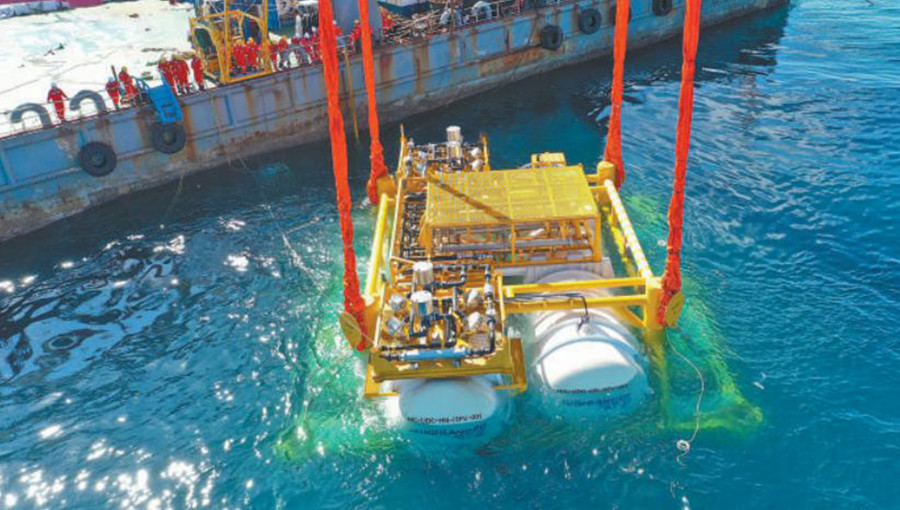
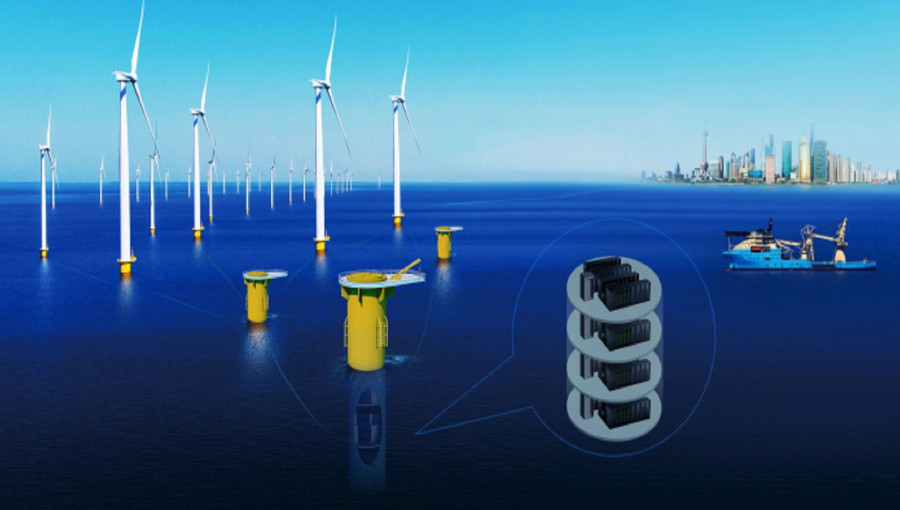
China has officially launched the world’s first offshore wind-powered underwater data center, located off the coast of Shanghai’s Lingang Special Area. This $226 million facility, which reached full commercial operation in late 2025, utilizes subsea modules to house nearly 2,000 servers. By drawing electricity directly from adjacent offshore wind turbines and employing seawater for passive cooling, the project achieves a highly efficient Power Usage Effectiveness (PUE) of 1.15. This innovative infrastructure supports intensive computing tasks, including artificial intelligence workloads, big data annotation, and the development of large language models, while significantly reducing land use and freshwater consumption.
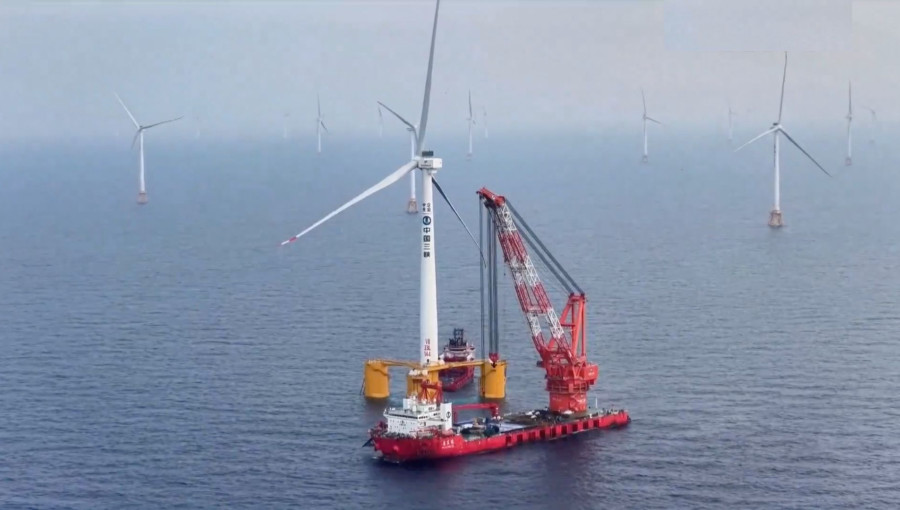
The facility is situated between the phases of an existing offshore wind farm, allowing it to integrate renewable energy directly into its operations. The project scaled from an initial 2.3 MW demonstration unit to a total capacity of 24 MW. To manage the heat generated by the server clusters, the data center employs a passive cooling system that circulates refrigerant through copper pipes. This process uses the surrounding seawater to facilitate heat exchange, eliminating the need for the energy-intensive industrial chillers and HVAC systems typically required by land-based data centers.
Developers report that this underwater configuration reduces electricity consumption by 22.8% and decreases land footprint requirements by over 90%. Despite these gains, the project faces significant engineering hurdles, including the risks of saltwater corrosion, the maintenance of pressure-resistant seals, and the inherent difficulty of accessing hardware for repairs. To mitigate these challenges, the facility relies on highly redundant, sealed modular systems and remote monitoring. While previous experiments like Microsoft’s Project Natick proved the viability of submerged hardware, the Shanghai deployment represents the first successful transition of this technology into full-scale commercial operation.