China Solar Manufacturing Surge Reshapes Global Power Landscape
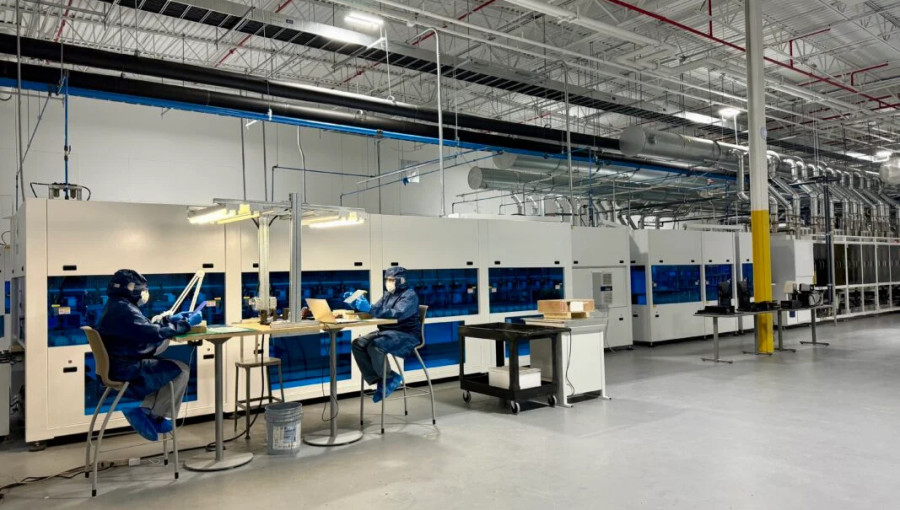
China’s aggressive expansion of renewable energy is fundamentally reshaping the global power landscape, driven by a chaotic and competitive manufacturing surge rather than a strictly controlled state plan. With a supply chain capable of producing 1 terawatt of solar panels annually, the nation has driven electricity costs to record lows, making solar the cheapest energy source in history. However, this rapid growth has outpaced infrastructure, leading to grid instability and financial volatility for manufacturers. Despite these internal challenges, China’s green revolution is accelerating the global transition away from fossil fuels, significantly outpacing Western efforts.
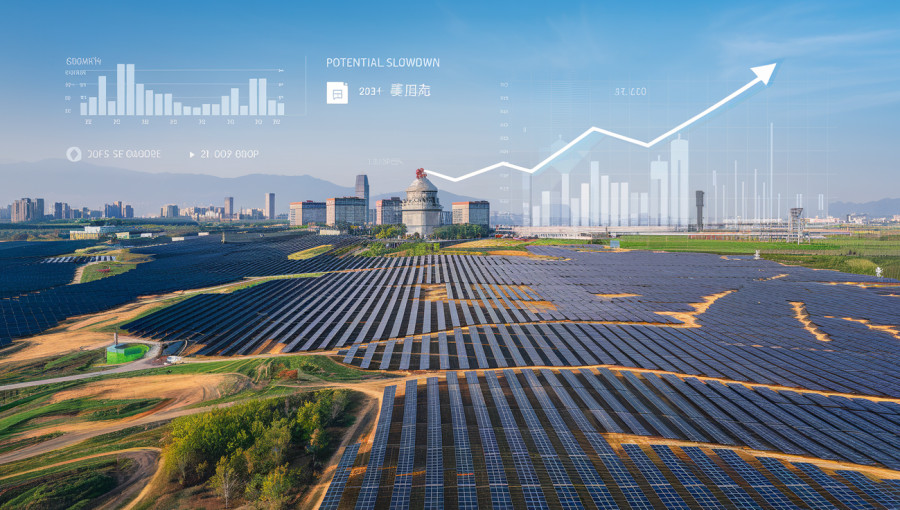
The scale of China’s renewable energy sector is currently transforming the global energy market at an unprecedented pace. While the total electricity capacity of the entire planet is approximately 10 terawatts, China’s solar supply chain alone can now manufacture 1 terawatt of solar panels every year. In the country’s western deserts and Tibetan highlands, massive energy megabases consisting of solar panels and wind turbines stretch for many kilometers. These installations produce power comparable to multiple nuclear plants and are connected to eastern population centers through a sophisticated network of ultrahigh-voltage power lines.
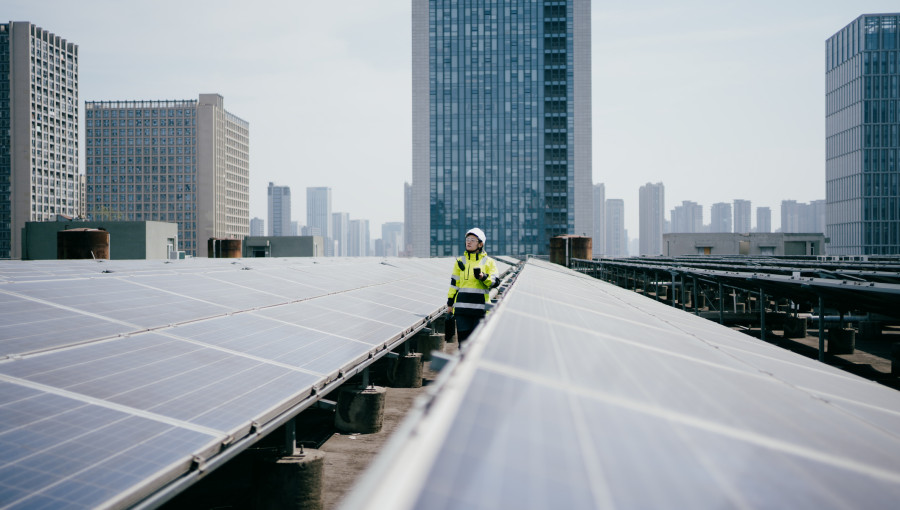
This expansion is not limited to large-scale utility projects. Rooftop solar installations have proliferated across the more densely populated eastern provinces, fueled by policies that have streamlined the installation and grid-connection process. From massive factories to rural village homes, solar modules are now a common sight. This glut of production has driven the global average cost of electricity generation down to approximately 4 cents per kilowatt hour. In some European markets, Chinese-made photovoltaic panels have become so inexpensive that they are occasionally used as a cheaper alternative to traditional fencing materials.
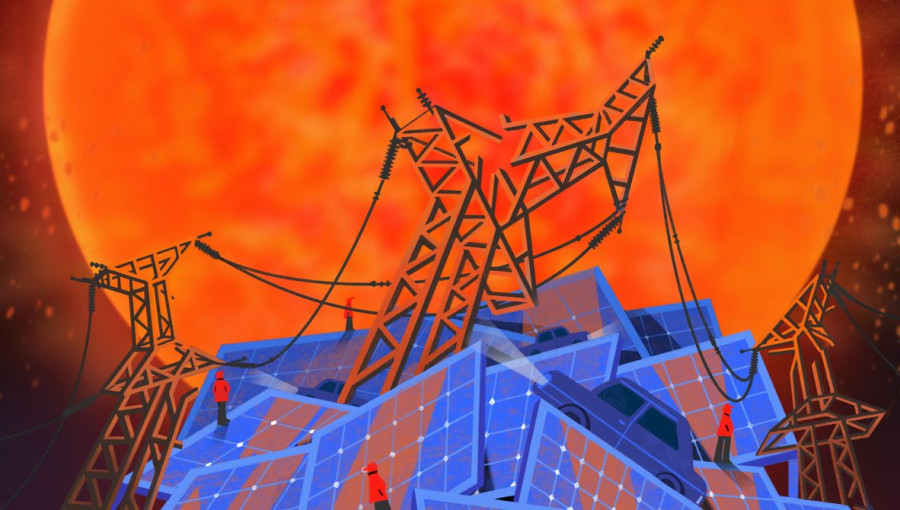
However, this rapid transition is characterized more by market chaos than by centralized planning. In early 2025, a rush to beat a government deadline for price subsidies led to a staggering surge in installations. During the month of May alone, China added 92 gigawatts of new capacity, which equates to roughly 3 gigawatts every day. This "mad dash" has overwhelmed the national electrical grid. Because nuclear and certain coal plants cannot be easily deactivated, grid managers are often forced to "curtail" or waste solar power to maintain stability. In August 2024, voltage fluctuations in the Xinjiang region even triggered a regional blackout that threatened the broader national system.
The economic consequences are equally volatile. In provinces like Shandong, the oversupply of electricity has frequently led to negative pricing. While this benefits energy-intensive industrial firms, it has created a precarious environment for solar panel manufacturers. Companies throughout the solar supply chain, from polysilicon producers to module assemblers, are locked in aggressive price wars that have decimated profit margins. Rapid technological innovation further complicates the market, as firms must constantly reinvest in new production lines to avoid obsolescence.
The impact of China’s renewable surge is being felt globally. In Pakistan, the widespread adoption of cheap Chinese solar panels has led to a "death spiral" for the national grid as consumers opt out of the traditional utility system. Meanwhile, China has leveraged its dominance in battery manufacturing to revolutionize the electric vehicle industry. Following the success of Tesla’s Shanghai factory, Chinese firms like BYD and Nio have emerged as global leaders, displacing traditional automakers from Japan and Germany.
Despite political resistance and the implementation of tariffs in the United States and Europe, the momentum of this green tech revolution appears difficult to slow. While some Western critics and investors favor long-term, "sci-fi" energy solutions like fusion, China’s messy and rapid deployment of existing solar and wind technology is already providing a practical alternative to fossil fuel dependence. As climate change increases the frequency of extreme weather events, these decentralized energy systems are increasingly seen as essential infrastructure for global resilience.