China Solar Sector Faces Downturn Amid Installation Surge
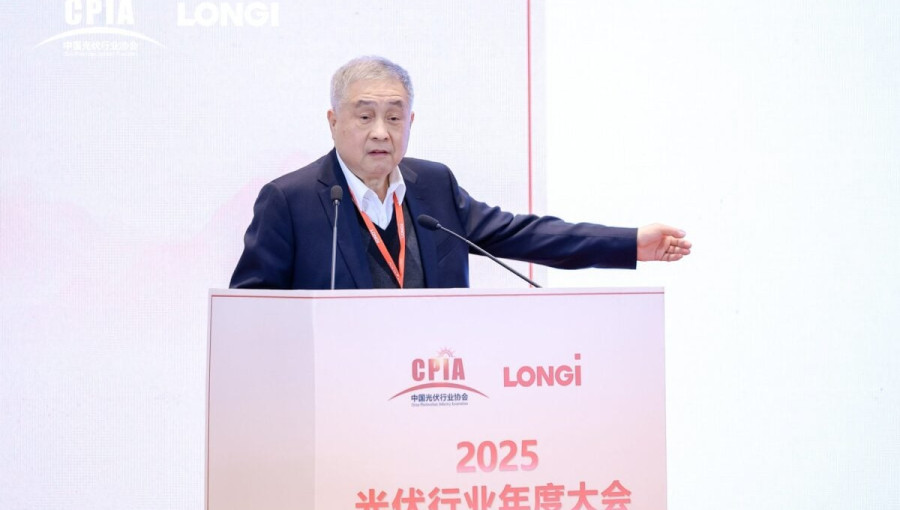
China's solar manufacturing sector has encountered a significant turning point, with polysilicon and wafer production recording their first annual declines in over a decade. According to the China Photovoltaic Industry Association (CPIA), this downturn in the upstream supply chain occurred even as downstream segments like solar cell and module manufacturing continued to expand. These mixed results, presented at the industry's annual conference, paint a complex picture of a market grappling with overcapacity and price pressures while simultaneously experiencing a surge in domestic solar power installations.
The latest industry analysis reveals that for the first ten months of 2025, China's polysilicon output fell by 29.6% year-on-year to 1.113 million tons, marking the first such decrease since 2013. Similarly, wafer production experienced its first drop since 2009, declining by 6.7% to a total of 567 GW. This contraction in the foundational stages of the solar supply chain stands in stark contrast to continued growth in later manufacturing stages. Solar cell production climbed 9.8% to 560 GW, while PV module output saw a 13.5% increase, reaching 514 GW in the same period.
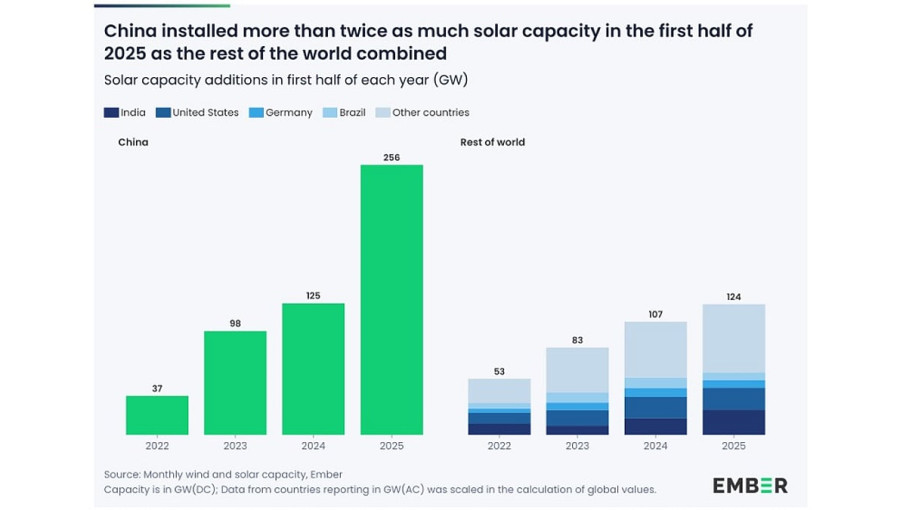
On the domestic front, new solar PV installations grew by an impressive 39.5% year-on-year, reaching 252.87 GW between January and October. This growth was heavily front-loaded, with a 150% surge in the first five months driven by project developers rushing to commission systems before the termination of fixed feed-in-tariffs in early June. This policy-driven deadline led to a record-breaking month in May, with nearly 100 GW of new capacity added, pushing China's cumulative installed solar capacity beyond the 1 terawatt milestone. However, the momentum reversed from June to October, which saw a 46% year-on-year decline in new installations.
In international markets, Chinese solar exports showed a notable divergence between volume and value. While the export volumes of wafers, cells, and modules rose by 8.3%, 91.4%, and 6% respectively, the overall financial returns diminished. The total export value of PV products fell by 3.2% from January to October, marking the second consecutive year of declining revenue from overseas sales and signaling significant price compression on the global stage.
Despite a sharp drop in demand during the second half of 2025, product prices demonstrated resilience. By November, the average price for polysilicon had risen 34.4% compared to the previous year, while module prices also saw a slight year-on-year increase. Speaking at the conference, CPIA honorary chairman Wang Bohua characterized the industry as being in a crucial transition toward higher-quality development. He issued a strong call for industrial self-discipline, urging companies to reject damaging price wars, avoid selling products below cost, and halt the blind expansion of production capacity that disregards market principles.