Chinese Researchers Advance Space Based Solar Power Technology

Chinese researchers have achieved a significant breakthrough in the development of space-based solar power, marking a major advancement for the "Sun Chasing" project. A team from Xidian University successfully demonstrated a ground-based wireless power transmission system capable of charging multiple moving targets simultaneously. During recent trials, the system achieved a 20.8 percent efficiency rate in direct current transmission over 100 meters, delivering 1,180 watts of power. Additionally, the team successfully powered a drone in flight from a distance of 30 meters, highlighting the potential for future orbital energy infrastructure to support both space missions and terrestrial needs.
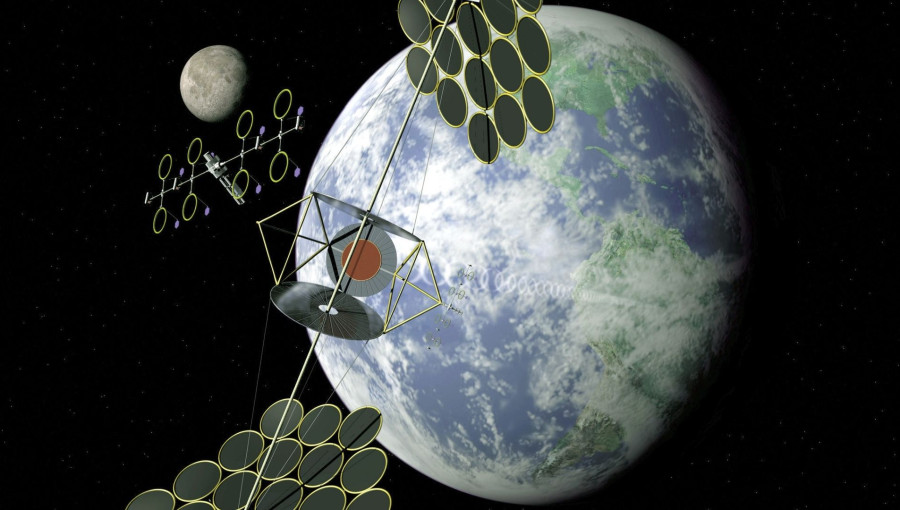
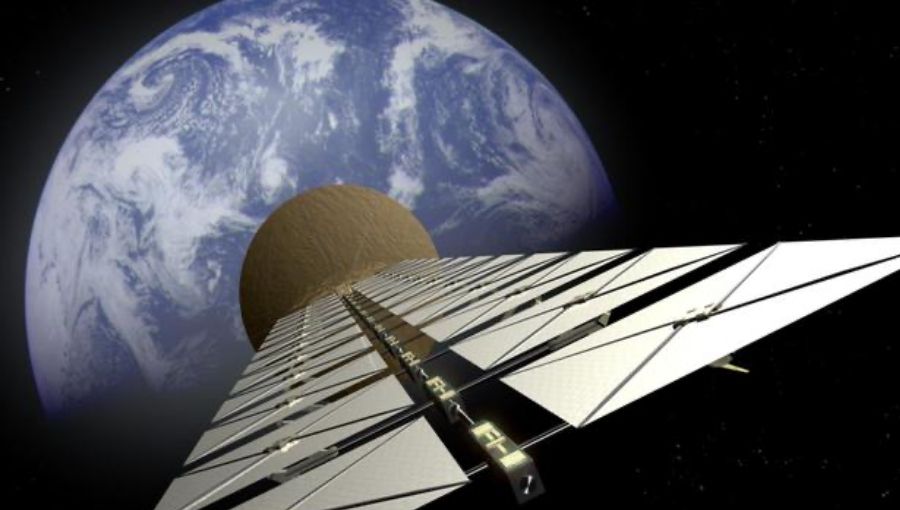
The concept of a space solar power station involves deploying massive arrays of solar panels into orbit to harvest sunlight continuously. This energy is then converted into microwaves or lasers to be beamed back to Earth or directly to spacecraft. By capturing solar energy in space, where sunlight is constant, this technology aims to provide a reliable, uninterrupted power source that could help mitigate energy shortages on the ground while fueling long-term space exploration.
Since launching the first phase of the project in 2018, the research team has reached several milestones, including the completion of the world’s first full-link, full-system ground validation for such a station in 2022. The project has now entered its second phase, which focuses on scaling up power generation and improving long-distance transmission efficiency. According to Duan Baoyan, an academician at the Chinese Academy of Engineering, the team has made critical progress in refining microwave beam control precision and reducing the weight of antennas, which is essential for successful deployment in space.
The ability to power multiple moving targets from a single transmitter represents a major technical hurdle cleared by the researchers. This capability suggests that a single orbital station could eventually supply electricity to several satellites or ground-based vehicles at once. While the technology is not yet commercially viable, the team is preparing for upcoming in-orbit tests. These efforts are part of a broader ambition to provide innovative solutions for global energy transitions and sustainable development, moving the concept of space-based renewable energy closer to practical reality.