Clean Energy To Power Half Of Global Electricity

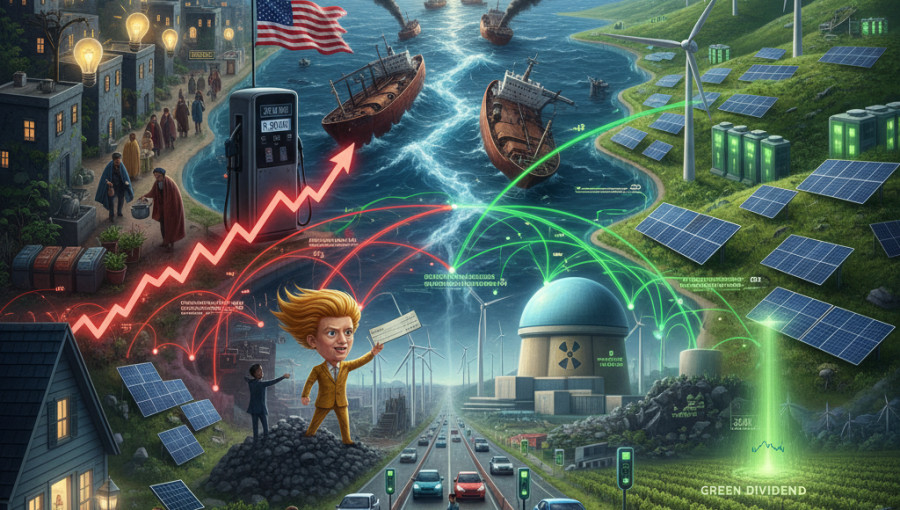
The International Energy Agency (IEA) reports that low-emission sources, including renewables and nuclear power, are on track to generate half of the world’s electricity by 2030. Driven by a massive surge in solar installations and a resurgence in nuclear energy, these sources are rapidly displacing fossil fuels despite a steady rise in global demand. This growth is fueled by the expansion of data centers, artificial intelligence, and the electrification of transport. However, the transition faces significant hurdles, including aging power grids and massive connection backlogs that require urgent infrastructure investment.
Global electricity consumption is expanding significantly faster than overall energy demand. According to the IEA’s Electricity 2026 report, this trend is propelled by the rapid adoption of electric vehicles, increased cooling needs due to rising temperatures, and the energy-intensive infrastructure required for AI and data centers. In 2025 alone, global demand rose by 3%, following a sharp 4.4% increase the previous year.
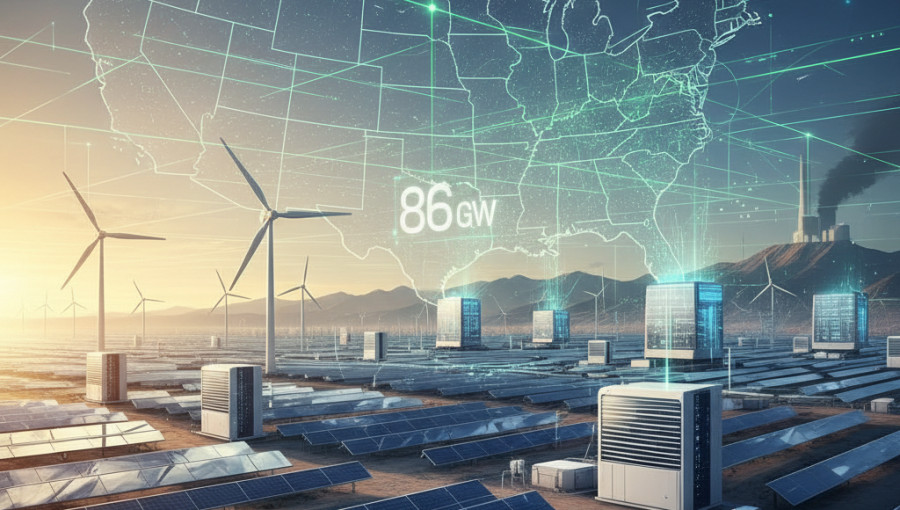
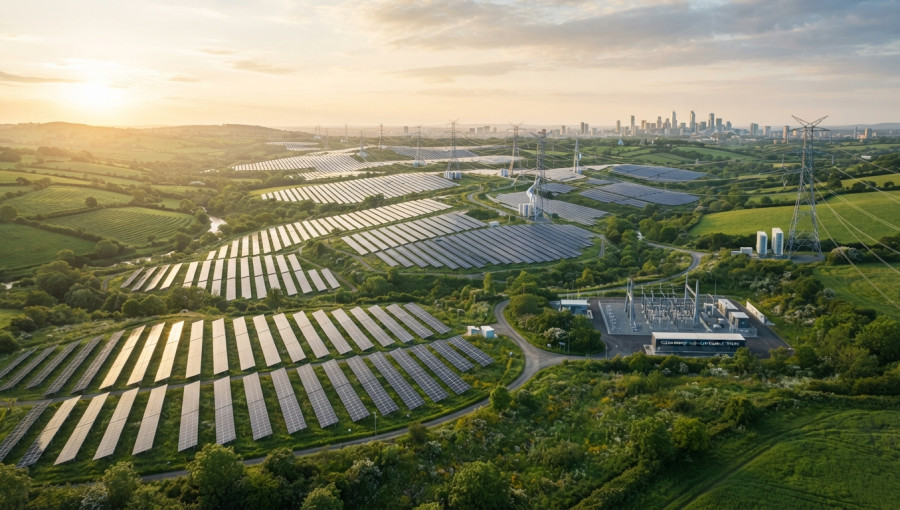
Meeting this surging demand requires more than just new generation capacity; it necessitates a 50% increase in annual grid investment by the end of the decade. IEA Director of Energy Markets and Security Keisuke Sadamori emphasized that upgrading power networks is essential for maintaining security and resilience. Currently, grid congestion is a major bottleneck, with over 1,700 GW of renewable projects and 600 GW of battery storage waiting for connection as of 2025.
A historic milestone was reached in 2025 when renewable power generation drew level with coal. By 2030, renewables and nuclear energy are expected to account for 50% of the global mix, up from 42% today. Solar energy is the primary driver of this growth, contributing more than 600 TWh of the 1,000 TWh annual increase in renewable output. While coal remains a significant individual fuel source, its share is declining as clean energy expands.
The European Union is leading the transition, with renewables expected to surpass all non-renewable sources combined as early as this year. By 2030, the share of renewables in the EU is projected to reach 63%, with wind and solar alone providing nearly half of the bloc's power. This transition involves adding over 400 GW of net renewable capacity, largely through solar installations split between utility-scale projects and distributed systems.
Nuclear power is also seeing a strategic revival, reaching record generation levels in 2025 and expected to grow steadily through 2030. To support the variability of renewables, utility-scale battery storage has seen rapid deployment in markets like Germany, the United Kingdom, and parts of the United States. Despite these gains, curtailment remains an issue; in China and Germany, significant portions of wind and solar output are being lost because the grid cannot accommodate the supply.
The shift in the energy mix is having a direct impact on environmental targets. CO2 emission levels from global electricity generation are expected to remain stable through 2030. While emissions are projected to fall significantly in the EU, the US, and China, India is expected to see a continued rise as it develops its industrial base. Natural gas use is also slated for growth, particularly in the Middle East and the United States, to bridge the gap in demand.