Desert Solar Farms Create Cool Island Effect
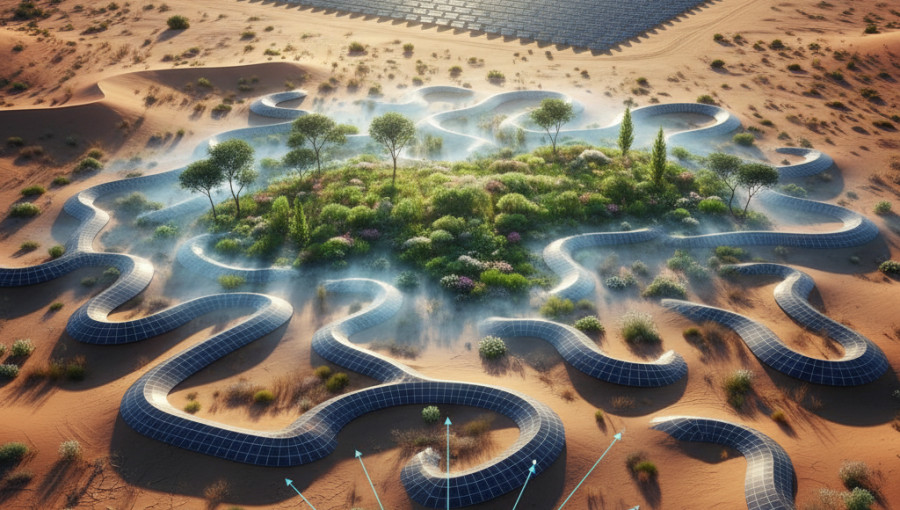
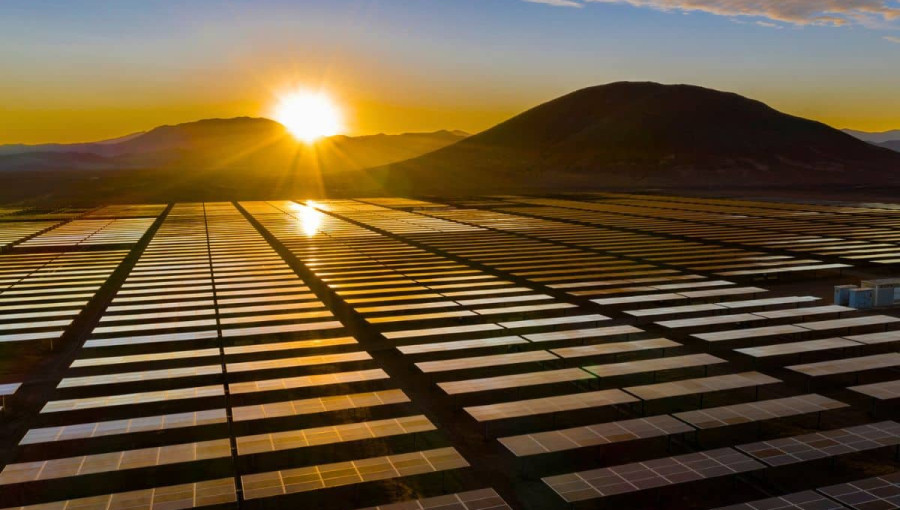
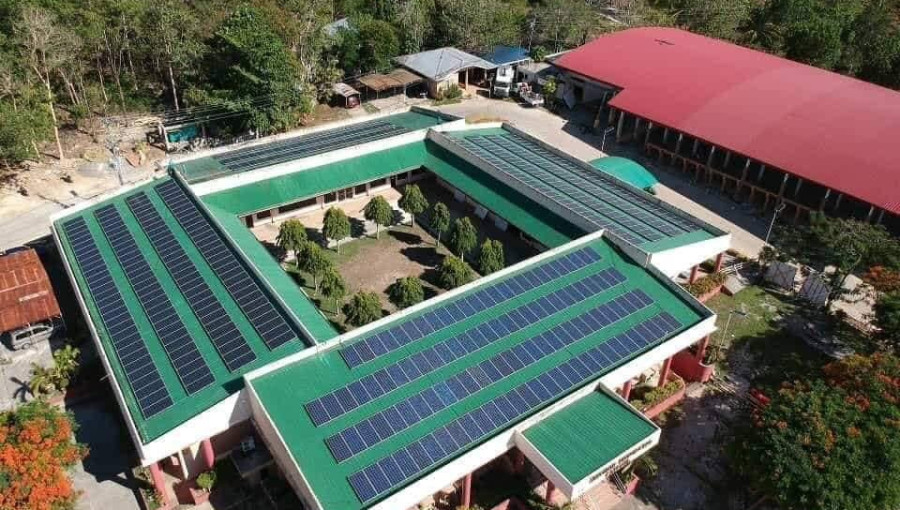
A new study by the Chinese Academy of Sciences reveals that large-scale photovoltaic installations in arid regions create a "cool island effect," significantly lowering local surface temperatures and influencing nearby vegetation. By analyzing eight solar sites across China, researchers determined that the cooling intensity and its reach depend heavily on the plant’s design, seasonal changes, and geographic location. The findings suggest that strategically designing solar farms can help manage local microclimates and protect fragile ecosystems in desert environments, offering a roadmap for more sustainable renewable energy deployment.
The research, published in the journal *Ecological Indicators*, focuses on how utility-scale solar installations alter the energy balance of their immediate environment. This "cool island effect" (CIE) occurs as solar panels provide shade, reduce the amount of solar radiation absorbed by the ground, and convert sunlight into electricity rather than heat. Furthermore, the physical structure of the installations can enhance convective heat dissipation, leading to measurable temperature drops compared to the surrounding desert landscape.
The scientific team, which included experts from the University of Reading and various Chinese engineering corporations, examined eight PV plants located in Xinjiang, Inner Mongolia, Gansu, and Qinghai. Using Landsat-8 satellite data from 2022, they measured land surface temperatures and vegetation health indices. The study found that the cooling impact is highly variable; for instance, Wuzhong City experienced a temperature drop of 3.1°C during the summer, while other sites showed almost no cooling during the autumn or winter months.
The spatial reach of this cooling influence also showed significant diversity, extending anywhere from 120 meters to 540 meters beyond the perimeter of the solar farm. Researchers utilized structural equation modeling to identify the primary drivers of this phenomenon, concluding that the "morphological complexity"—or the specific layout and shape of the plant—is the most influential factor. Interestingly, while complex shapes enhanced cooling, simply increasing the overall size of the solar plant tended to suppress the effect.
Vegetation surrounding these plants responded to the microclimate shifts in a "highly heterogeneous" manner. In some instances, the cooling helped preserve moisture and promote growth, while in others, the impact was negligible or dictated by broader seasonal trends. The study noted that the relationship between the solar installations and local flora is governed by a complex interplay of altitude, local aridity, and the specific technical specifications of the solar modules.
Based on these findings, the researchers proposed a new framework for developing solar energy in arid zones. They recommend that developers prioritize medium-scale, decentralized plants with high shape complexity for warm, dry regions to maximize cooling benefits. Conversely, in high-altitude or colder regions, the study suggests that adjusting the tilt of the solar panel arrays and reducing panel density could be necessary to mitigate potential risks to local vegetation.