Enhanced Geothermal Systems To Power AI Data Centers
A new study from Stanford University highlights Enhanced Geothermal Systems (EGS) as a transformative solution for global clean energy demands, particularly for power-intensive AI data centers. Unlike traditional geothermal power limited to volcanic regions, EGS can be implemented almost anywhere by drilling 3 to 8 kilometers deep. The research suggests that EGS provides a reliable 24/7 baseload, potentially outperforming nuclear and coal in terms of cost, safety, and land efficiency. By 2035, this emerging technology could significantly reduce reliance on wind, solar, and battery storage while drastically slashing energy costs and CO2 emission levels.
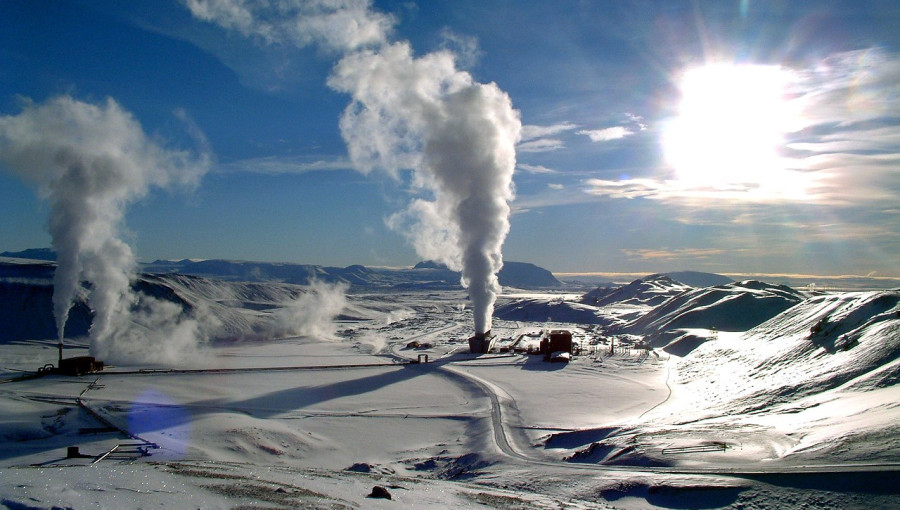
Enhanced Geothermal Systems represent a significant evolution in renewable energy technology. While conventional geothermal energy relies on naturally occurring hot springs or volcanic activity, EGS utilizes advanced drilling techniques to access the Earth’s heat at depths of 3 to 8 kilometers. Once the borehole reaches the target depth, the surrounding rock is fractured and injected with fluid. This liquid absorbs the subterranean heat and is pumped back to the surface to drive turbines, creating a continuous, year-round power source that is not dependent on weather conditions.
The Stanford research, led by Mark Jacobson, indicates that integrating even a modest amount of EGS into a national power grid could yield substantial benefits. If geothermal energy accounts for just 10% of total generation, it could reduce the necessary capacity for wind by 15% and solar by 12%. More importantly, it could decrease the demand for battery storage by 28%. This efficiency is paired with a minimal physical footprint, requiring far less land than massive solar farms or wind parks to produce the same amount of electricity.
One of the most compelling arguments for EGS is its potential to replace nuclear power as a steady baseload provider. Unlike nuclear plants, which often take between 12 and 23 years to become operational, EGS facilities can be deployed much faster and at a lower cost. Furthermore, geothermal energy eliminates risks associated with radioactive waste, meltdowns, and the environmental hazards of uranium mining. Economically, the study estimates that EGS could eventually provide electricity at costs 60% lower than those of fossil fuels.
The surge in artificial intelligence has created an unprecedented hunger for electricity, specifically for data centers that require uninterrupted, high-capacity power. EGS is uniquely suited for this role because it operates independently of the grid's fluctuations. As drilling speeds improve and costs continue to decline, experts predict that EGS will become a primary driver of energy security. While the technology is still emerging, it is expected to be fully economically viable by 2035, providing a clean alternative that works alongside solar module and wind technologies to eliminate air pollution.