EU Blocks Renewable Funding For High Risk Hardware
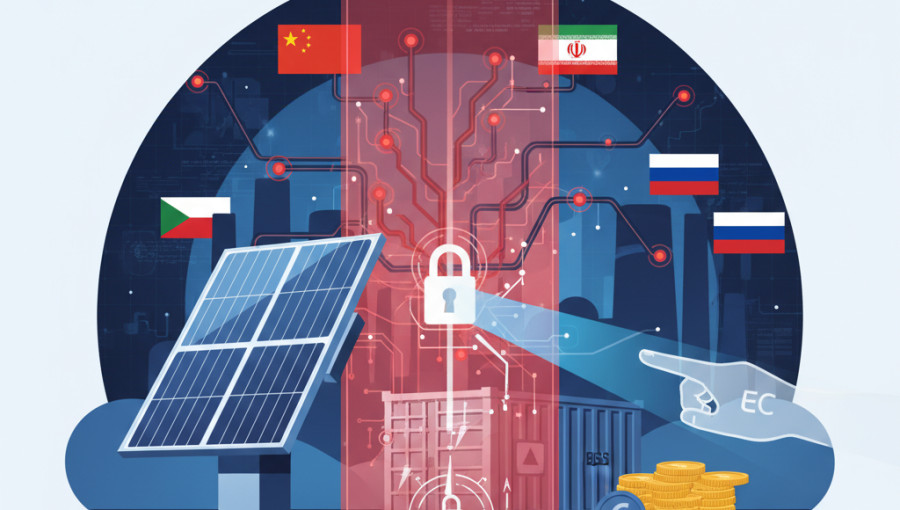
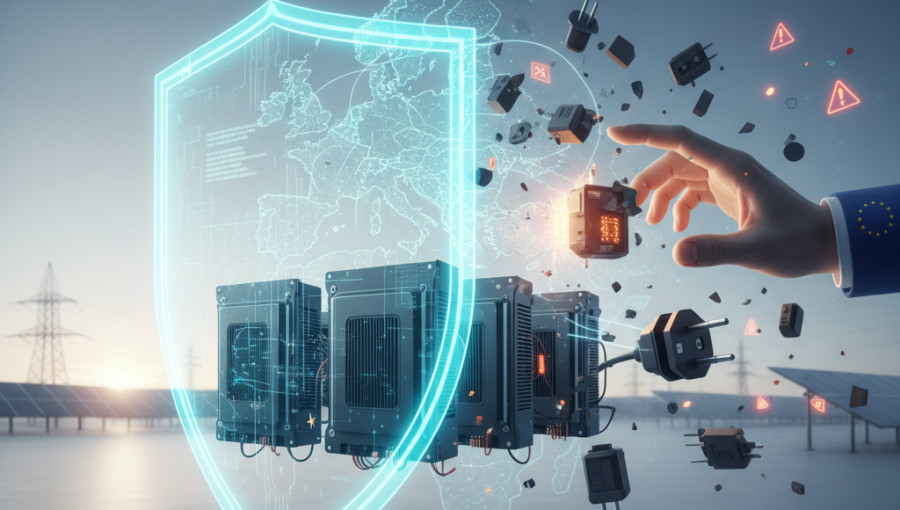
The European Commission has implemented a significant restriction on funding for renewable energy projects that utilize hardware from designated high-risk nations, including China. This policy, which targets cybersecurity vulnerabilities, excludes projects using inverters from these countries from receiving financial support through the European Investment Bank and the European Investment Fund. While initially focused on photovoltaic installations, the ban has now been confirmed to encompass battery energy storage systems (BESS), affecting billions of euros in potential investment for both standalone and integrated energy storage solutions.
The new directive represents a major shift in how the European Union manages the security of its energy infrastructure. By targeting inverters—the critical components that convert electricity for grid use—the Commission aims to mitigate potential digital threats from foreign entities. While early reports focused primarily on the impact on solar photovoltaic projects, recent updates confirm that the policy applies broadly across the renewable sector, including wind power and energy storage.
According to internal documents, the implementation of these guidelines began on May 1, 2026. Although the industry is still awaiting an official public release of the full policy document, the European Commission has already communicated the new requirements to major financial institutions. Sources indicate that there are currently no plans for a high-profile public announcement or formal press release, suggesting a quiet but firm integration of these security standards into the EU’s financial framework.
The inclusion of battery energy storage systems (BESS) is particularly significant for the ongoing energy transition. As storage becomes a cornerstone of grid stability, the reliance on high-risk hardware has become a point of contention for European regulators. This policy ensures that any project seeking backing from the European Investment Bank or the European Investment Fund must source its critical power electronics from approved, low-risk suppliers. This shift is expected to reshape supply chains for solar modules and storage units as developers pivot to meet the new eligibility criteria for EU-backed capital.