EU Solar And Wind Overtake Fossil Fuels
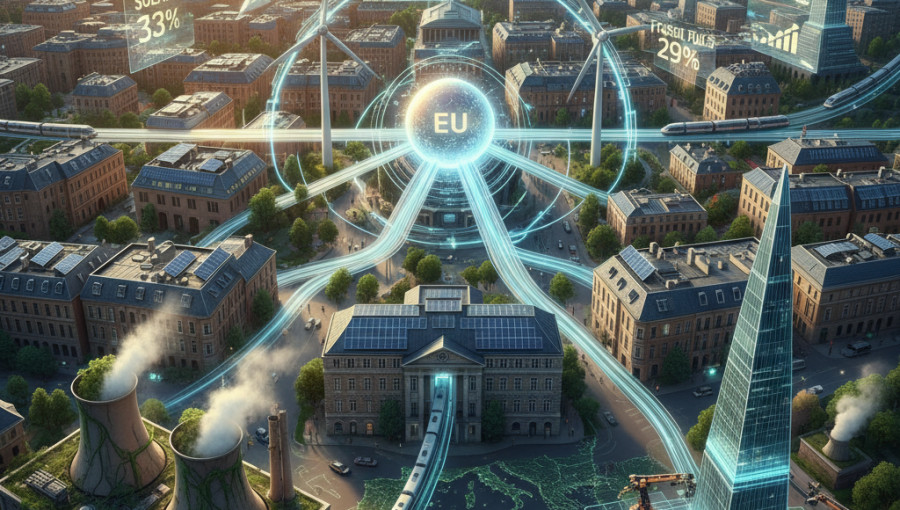
The European Union's energy landscape reached a historic turning point in 2025 as solar power accounted for a record 13% of the bloc's total electricity generation. For the first time, the combined output of solar and wind energy surpassed that of fossil fuels, contributing 30% to the power mix compared to 29% from traditional sources. This surge, driven by a consistent annual growth rate exceeding 20%, highlights a rapid transition toward renewable energy. As coal and hydro shares fall behind, the expansion of solar capacity continues to play a pivotal role in reducing the continent's dependency on imported fuels.
According to the latest European Electricity Review by energy think tank Ember, solar generation hit 369 TWh in 2025. This represents a significant jump of 62 TWh compared to the previous year and more than double the output recorded in 2020. Over the last five years, solar has maintained an average annual growth rate of 21%, outperforming every other energy source in the region. This momentum was sustained by the installation of 65.1 GW of new solar capacity across the EU last year.
Regional performance was strong across the board, with every member state reporting year-on-year increases in solar output. Hungary emerged as a frontrunner, with solar providing 28% of its total electricity. Other nations, including Cyprus, Greece, Spain, and the Netherlands, also saw solar shares exceed the 20% mark. In 14 of the 27 EU member states, the combined generation from wind and solar now exceeds all fossil fuel sources combined.
While renewable sources like solar, wind, and bioenergy collectively accounted for 47.7% of the total energy mix, fossil fuels continued to lose ground. Coal power dropped to a historic low of 9.2%, with 19 countries now generating less than 5% of their energy from coal. However, natural gas generation saw an 8% increase compared to 2024, resulting in a €32 billion import bill. This financial pressure underscores the urgency of the transition, as noted by report author Beatrice Petrovich, who emphasized that shifting to clean energy is vital for global stability.
To maintain this trajectory, the report suggests that the EU must focus on grid modernization, electricity storage, and demand flexibility. Recommendations include removing legislative hurdles for battery deployment and streamlining permits for cross-border power lines. Furthermore, the report calls for a ban on Russian gas and LNG imports by 2027, alongside stronger policy support for heat pumps and the electrification of transport and industrial sectors to fully capitalize on the growing abundance of renewable power.