Europe Overhauls Grid Rules To Boost Energy Storage

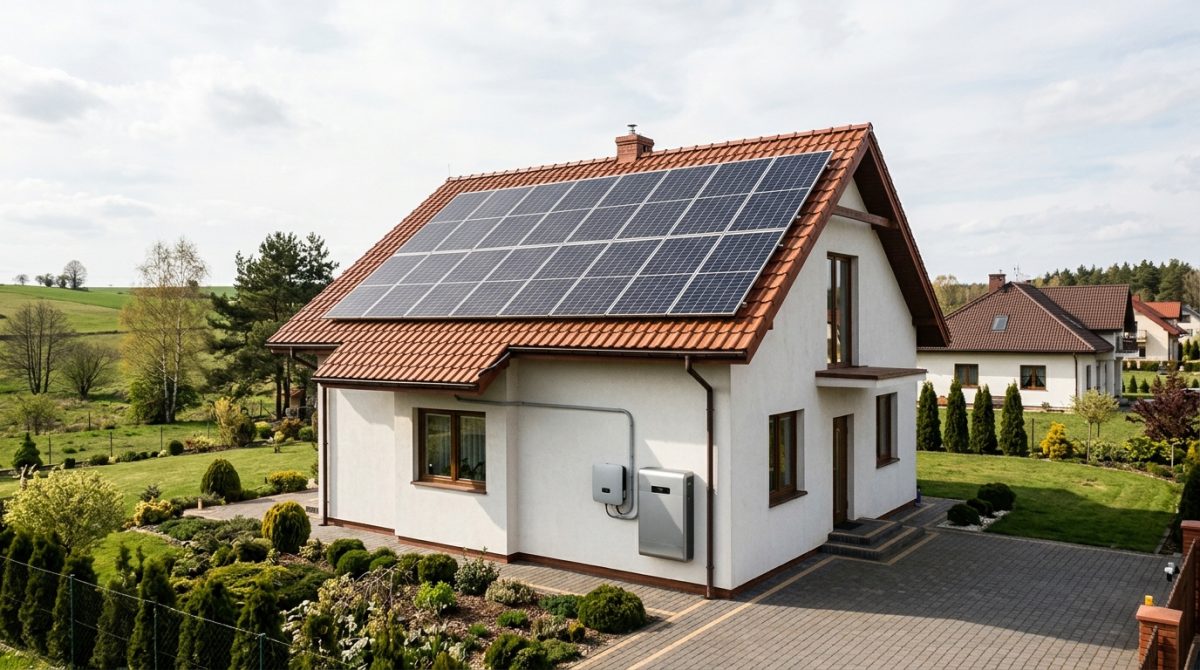
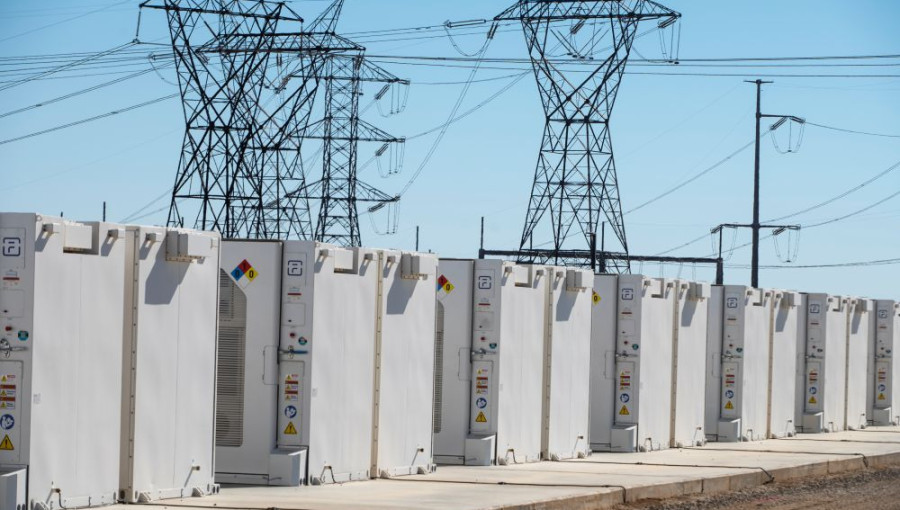
The European Commission has unveiled a new set of grid reforms, a move strongly supported by the trade association Energy Storage Europe. Central to the proposal is a shift from the traditional 'first-come-first-served' approach for grid connections to a 'first-ready-first-served' system, designed to fast-track mature projects. The European Grids Package aims to streamline permitting, enhance cross-border energy sharing, and formally recognize the vital contribution of energy storage to grid stability, addressing critical bottlenecks in Europe's transition to a more flexible and decentralized power system.
This initiative comes as the European Union confronts significant geopolitical and trade challenges, with the conflict in Ukraine underscoring the urgency of energy security. In 2022, fossil fuels accounted for 70% of the EU's energy consumption, with imported oil and gas costing Member States approximately €375 billion. The proposed reforms are part of a broader strategy to accelerate large-scale infrastructure projects, including energy storage, and create a more resilient, interconnected, and competitive European energy market. The package specifically includes new guidance on grid connections that, for the first time, addresses energy storage assets and co-located renewable-plus-storage facilities.
Energy Storage Europe (ESE) has been a vocal advocate for such changes, and its senior policy officer, Daniel Vig, noted that the proposed reforms align closely with the association's own recommendations. Vig praised the move to a 'first-ready-first-served' model, stating it will "accelerate the deployment of mature assets and improve network efficiency." He emphasized that grid connection priority should be given to projects that solve critical system needs like congestion and curtailment, highlighting that energy storage technologies are uniquely suited to provide these benefits.
The reforms also introduce significantly shorter permitting deadlines, a change welcomed by the industry. Under the new directive, standalone energy storage projects over 100kW would face a maximum six-month permitting process, while pumped hydro energy storage would be capped at two years. This is a substantial reduction from current timelines, which can extend up to seven years. Furthermore, the EC has proposed that energy storage resources be treated as projects of "overriding public interest," a designation that further solidifies the sector's crucial role in delivering flexibility and security to the grid.
Despite the widespread praise, ESE pointed out a remaining challenge within the proposed revisions to the Trans-European Networks for Energy (TEN-E) legislation. While the reforms aim to improve cross-border planning, Vig expressed concern that the threshold for energy storage projects to achieve Project of Common Interest (PCI) status remains "prohibitively high." He explained that while there is no explicit minimum size, analysis suggests projects would need to be around 225MW to be considered, and the new proposals do not alter this. Additionally, a tailored methodology to properly evaluate the cross-border system benefits of energy storage is still absent.