Federal Solar Funding Freeze Leaves American Farmers In Limbo
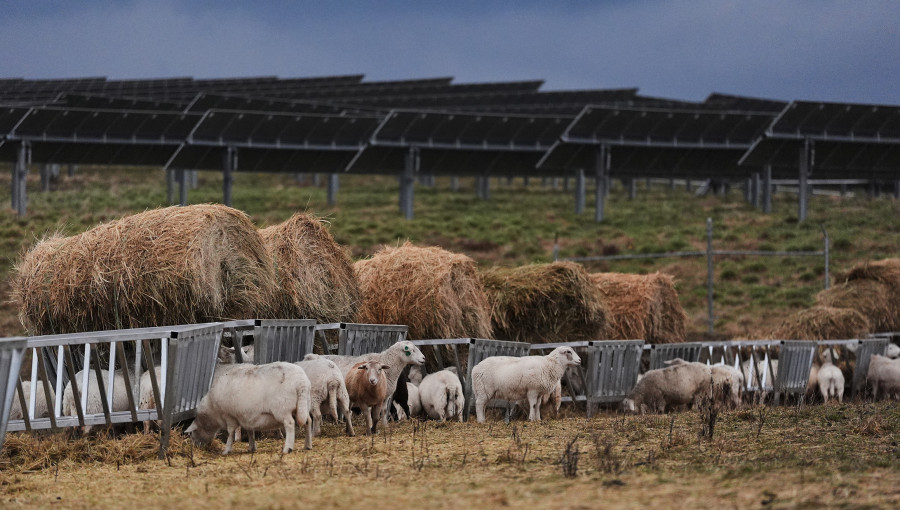
American farmers are facing significant hurdles as the federal government rolls back critical support for rural solar energy. Recent policy shifts have effectively halted the Rural Energy for America Program (REAP) and accelerated the expiration of clean energy tax credits. This sudden withdrawal of financial incentives has left thousands of projects in limbo, from small-scale solar panel installations on family barns to massive commercial developments on agricultural land. As developers scramble to meet new deadlines, many rural landowners are losing a vital secondary income stream and the opportunity to reduce their carbon footprint.
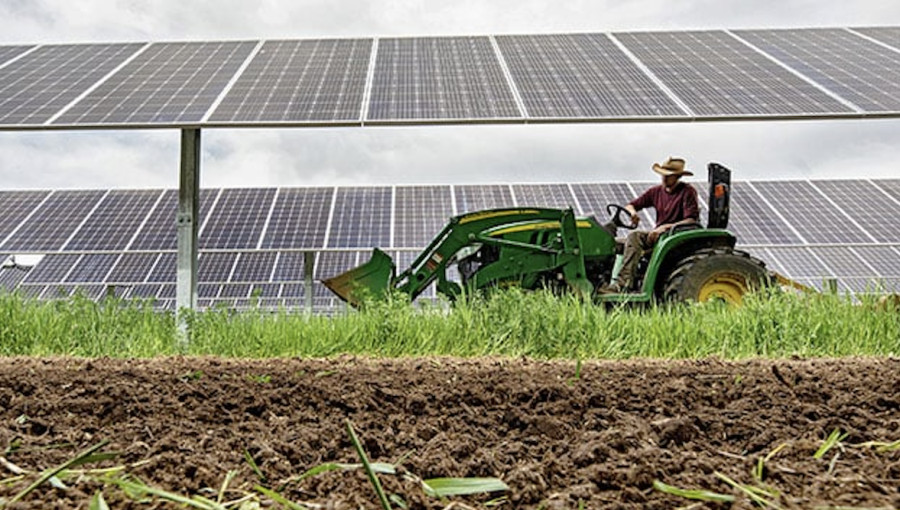
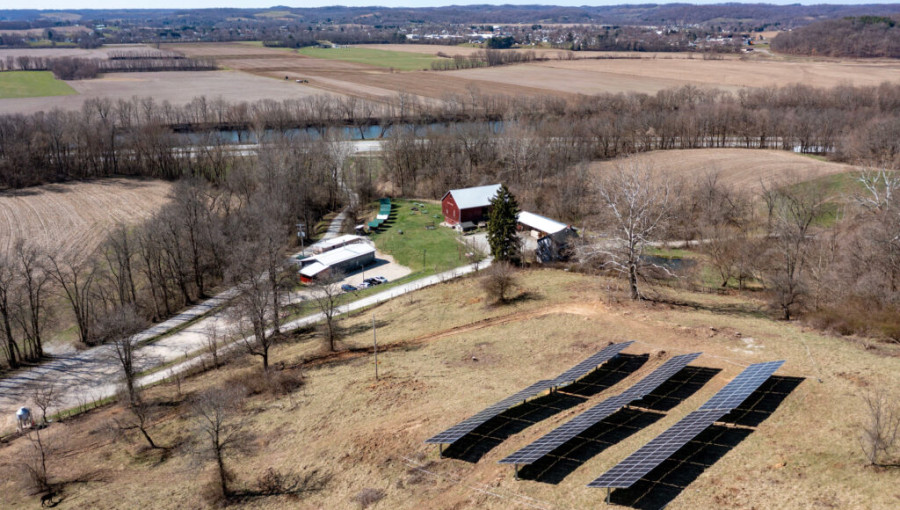
For Kentucky sheep farmer Daniel Bell, the shift in federal policy meant abandoning plans for a new solar-powered barn. Bell, who sought to lower his overhead and gain energy independence, found that the U.S. Department of Agriculture (USDA) had effectively stopped processing grants through REAP. This program has historically been a lifeline for farmers working on thin margins, providing the capital necessary to install solar panels on grain elevators, offices, and outbuildings. Without this support, Bell was forced to pivot, seeking to graze his flock beneath the solar panels of a commercial operation rather than generating his own power.
A recent analysis of federal data reveals that the USDA has not awarded a single dollar in rural energy grants or loan guarantees so far this fiscal year. This stagnation follows a period of rapid growth supported by the 2022 climate bill. However, the timeline for commercial clean energy tax credits was recently moved up. Projects must now be under construction by July 2026 or operational by the end of 2027 to qualify for federal incentives. This compressed schedule has already led developers to abandon projects representing millions of dollars in lost investment.
The impact is visible across the country. In Maryland, flower farmer Elisa Lane experienced months of financial anxiety when her $30,576 REAP grant was frozen without explanation. Although her funding was eventually released after she was encouraged to remove certain climate-related language from her proposal, the delay caused significant stress. Lane eventually spent $70,000 to get her solar panels operational, viewing them as a long-term strategy to combat rising utility costs.
The uncertainty also affects large-scale developers. Alpin Sun, a German firm, recently walked away from $6 million in investments in the U.S. Northeast, citing an inability to meet the new, accelerated deadlines. Currently, at least 126 solar projects proposed for agricultural land are awaiting regulatory approval. If completed, these sites would generate 20 gigawatts of electricity—enough to power approximately 4.5 million homes. However, many of these projects are now at risk of being cancelled.
In Sheridan, New York, former dairy farmer Tim Covert is waiting on a community solar project slated for 6 hectares (approximately 15 acres) of his land. For Covert, who is recovering from health issues, the lease income represents a crucial portion of his livelihood. While the developer, RIC Energy, plans to break ground by late summer, the shifting federal landscape remains a constant concern for landowners relying on renewable energy for financial stability.
On March 31, the USDA officially announced a temporary suspension of all REAP grant awards to update regulations in alignment with new executive orders. While the agency claims the pause is temporary and intended to ensure "program integrity," industry experts warn that the loss of momentum could have lasting effects. While large-scale developers with significant capital may navigate the new rules, the "next generation" of small-scale rural solar projects faces an increasingly uncertain future.