Floating Solar Arrays Require Careful Management Of Marine Ecosystems
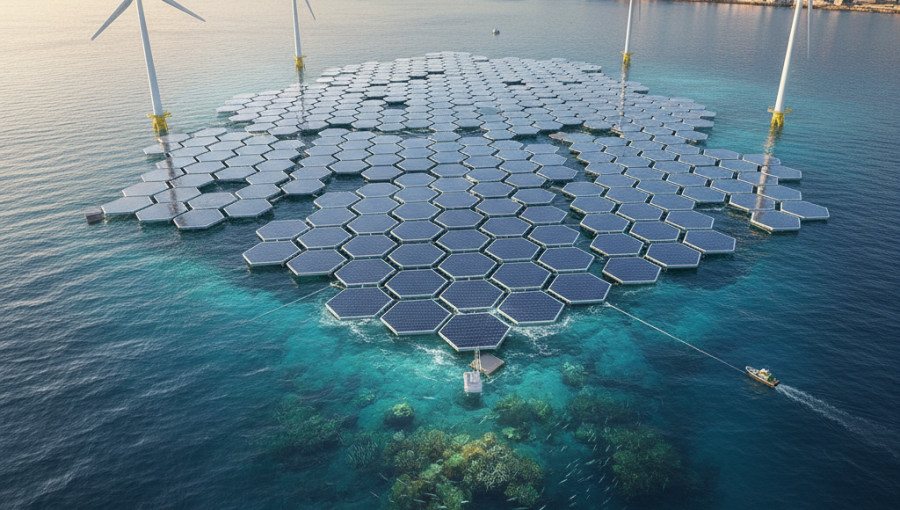
As global electricity demand surges due to rapid digitalization and the rise of artificial intelligence, the energy sector is increasingly looking toward the ocean to expand renewable capacity. While offshore wind has long been the primary maritime solution, floating photovoltaics are emerging as a high-density alternative. However, this shift necessitates a careful evaluation of marine environmental impacts. Research from Deltares highlights that floating solar arrays can significantly alter local ecosystems, creating artificial habitats and modifying water conditions, which requires proactive regulatory oversight and integrated environmental monitoring to ensure sustainable deployment alongside the protection of marine biodiversity.
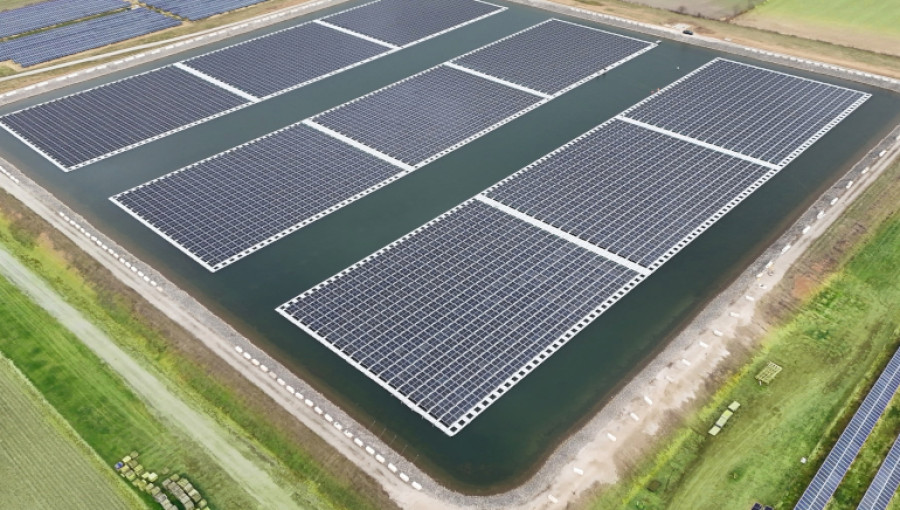
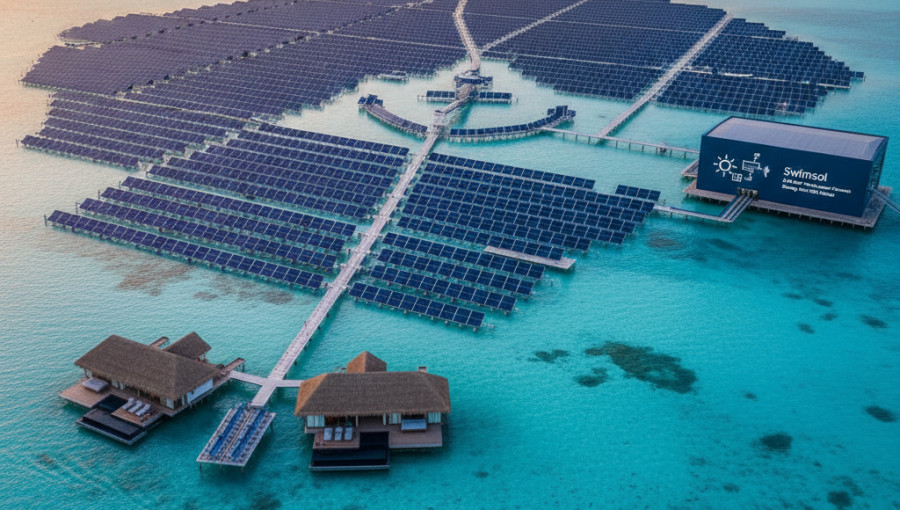
The transition toward offshore energy is driven by the scarcity of suitable land, where renewable projects often compete with agriculture and urban development. Floating solar offers a compelling alternative, boasting an energy density of 0.4 terawatt-hours per square mile annually. Despite this potential, the technology introduces unique ecological challenges. Floating solar modules cover significant surface areas, which can disrupt air-ocean interactions, reduce light penetration, and lower localized water temperatures through shading. These physical changes directly impact pelagic food webs and the hydrodynamic conditions of the surrounding marine environment.
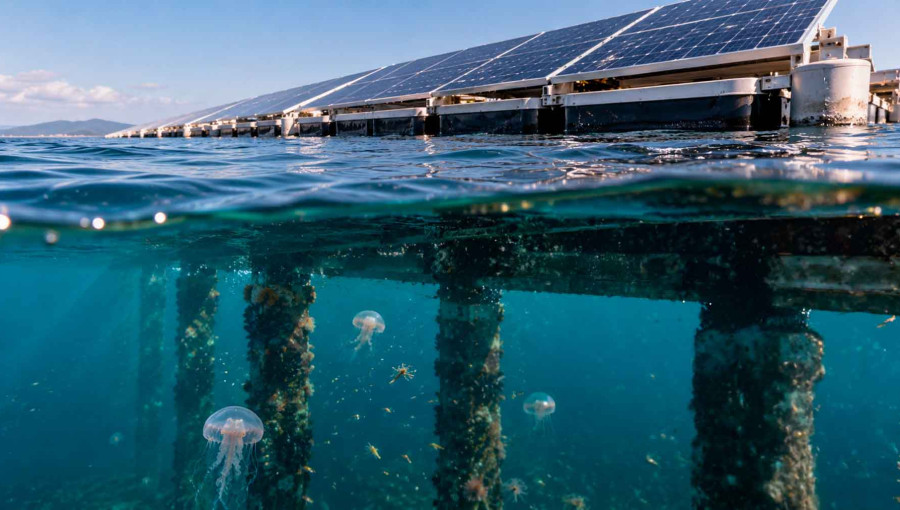
Beyond these environmental shifts, the floating platforms themselves act as artificial reefs. The hard surfaces of the arrays provide new territory for colonizing organisms, including mussels, anemones, and baby jellyfish. Over time, these organisms form dense biofouling communities beneath the structures. This biological growth not only alters the local food web by consuming plankton and organic particles but also poses practical engineering challenges. The added weight from these communities increases mechanical stress on the installations and accelerates material corrosion, leading to higher maintenance costs and the need for more frequent repairs.
To address these concerns, researchers suggest that policymakers must incorporate the artificial reef effect and the structural weight of biofouling into existing regulatory frameworks. By integrating environmental monitoring from the earliest project phases, developers can better manage ecological risks. While floating solar holds immense promise for meeting modern energy needs, the consensus is that smarter maritime planning is essential. A balanced approach that prioritizes both clean energy generation and the conservation of marine ecosystems will be critical as this technology scales across international waters.