Floating Solar: EU's Bright Future in Renewable Energy

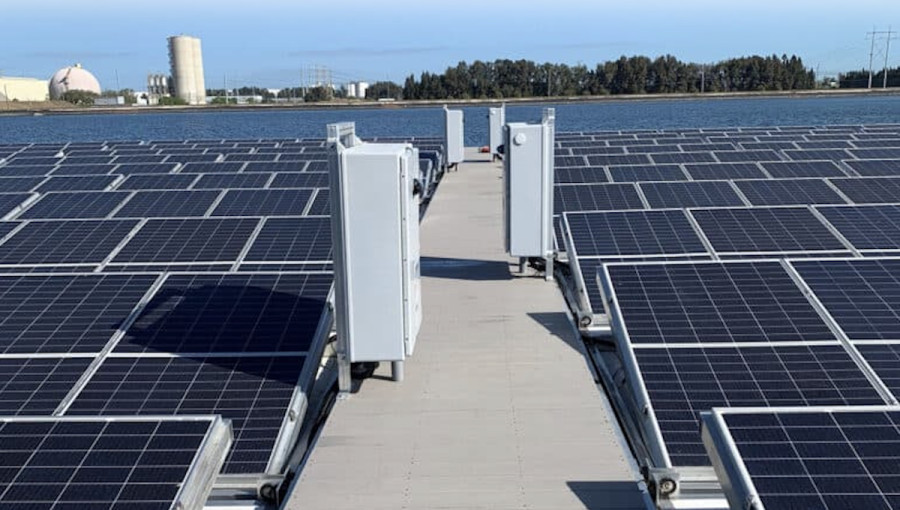
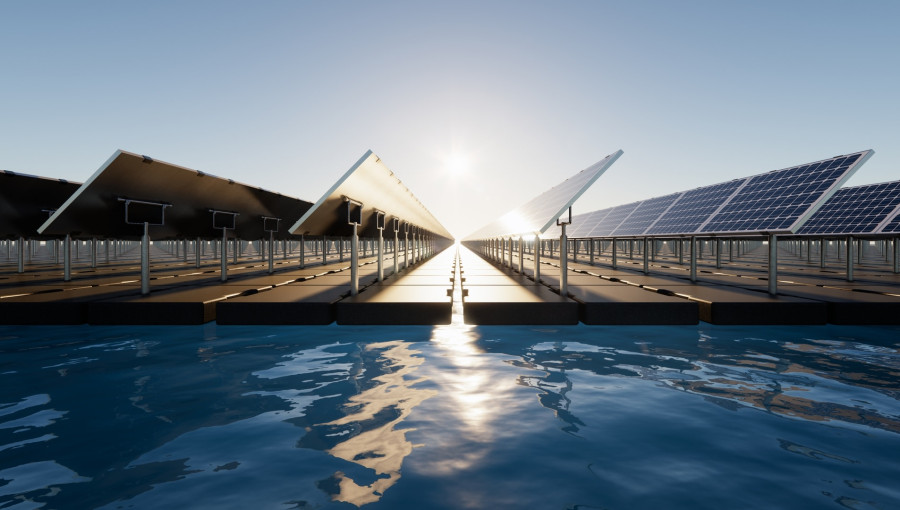
Europe is witnessing a shift towards floating solar photovoltaic systems (FPV) as an innovative solution to renewable energy production. One prominent example is the Bomhofsplas floating solar park in the Netherlands, managed by Blauwvinger Energie. The initiative showcases the advantage of solar energy production without encroaching on agricultural land, an essential consideration amid rising land use pressures across Europe. With the European Union adding significant solar capacity, FPV systems have the potential to generate vast amounts of electricity, as research suggests that covering just a fraction of hydropower reservoirs with FPV could rival the output of all current fossil fuel plants combined. Despite this promise, FPV installations face higher costs for maintenance and structural stability, which can make them less accessible for small developers without appropriate support.
To address these challenges, the EU-funded TALOS initiative is developing an advanced robotic system to automate operational tasks associated with FPV. This system aims to enhance efficiency while reducing human exposure to the harsh conditions often found at remote solar sites. The project underscores a broader vision for floating solar technology, which promises to alleviate land use pressures, boost efficiency, and potentially integrate into existing water infrastructure. However, the sector remains nascent, with only a limited number of FPV installations globally. Policymakers are urged to establish a clearer framework that recognizes floating solar as an essential component of the renewable energy landscape, enabling its growth and contribution to Europe’s ambitious climate targets. As innovations progress, the vision for a sustainable solar future could soon transform from potential to reality.