German Solar Industry Warns Against Ending Subsidies
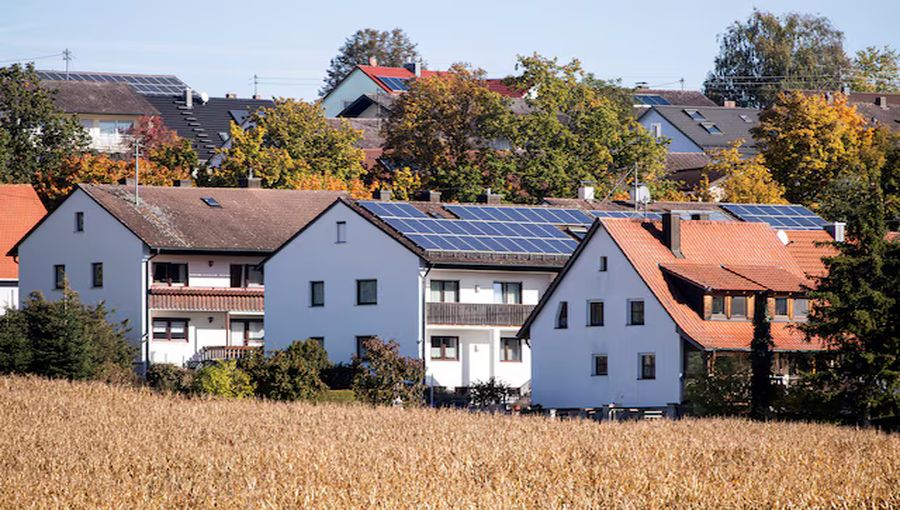
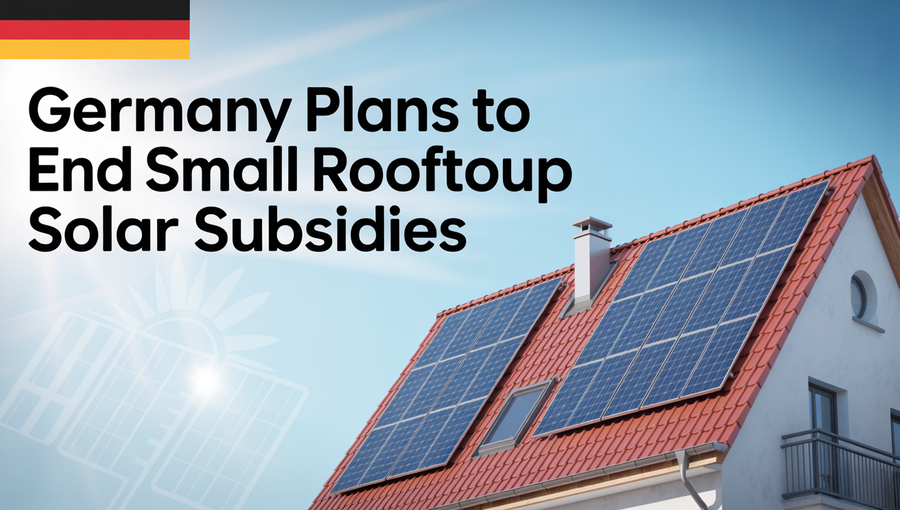
The German solar industry has issued a strong warning against proposed cuts to subsidies for new small rooftop photovoltaic (PV) systems, following remarks by Economy Minister Katherina Reiche, who suggested that such subsidies are no longer necessary due to the profitability of these systems. The proposal has sparked significant debate, as industry advocates argue that eliminating these subsidies could jeopardize Germany’s renewable energy goals and hinder the adoption of solar technology among households. Below is a detailed summary of the key points, implications, and arguments surrounding this issue, based on the information available.
Background: Germany’s Solar Subsidy Framework
Germany has been a global leader in renewable energy, particularly solar power, thanks to its long-standing feed-in tariff system, which has been in place for over two decades. These subsidies guarantee a fixed price for electricity generated from renewable sources, such as rooftop solar panels, when fed back into the grid. This financial incentive has been instrumental in driving the widespread adoption of solar technology among households and businesses, contributing significantly to Germany’s target of sourcing 80% of its electricity from renewable energy by 2030. The subsidies have lowered the financial barriers for installing solar systems, making them accessible to a broader range of consumers and supporting the growth of decentralized, clean energy production.
The Proposal to Cut Subsidies
Economy Minister Katherina Reiche, a member of the Christian Democratic Union (CDU), has proposed phasing out feed-in subsidies for new small rooftop PV systems, arguing that these systems have become sufficiently profitable without government support. This proposal comes amid broader economic challenges in Germany, including two consecutive years of economic contraction. The government is under pressure to reallocate public funds to other priorities, such as defense and infrastructure renewal, prompting a reevaluation of spending on renewable energy subsidies. Reiche’s stance reflects a belief that market forces can now sustain the solar industry without the need for continued financial incentives.
Industry Opposition
The German solar industry, represented by figures like Carsten Koernig, head of the German Solar Industry Federation (BSW), has strongly opposed the proposed subsidy cuts. The industry argues that these subsidies remain critical for maintaining the momentum of solar adoption and achieving Germany’s climate goals. Key points of opposition include:
- **Financial Security for Consumers and Investors**: Koernig emphasized that feed-in subsidies provide essential financial certainty for homeowners considering solar installations and for banks financing these projects. Without subsidies, he estimates that only about 40% of potential customers would proceed with installing solar systems, significantly slowing adoption rates.[](https://usasolarcell.com/news/2025/08/12/german-solar-industry-opposes-proposed-subsidy-cuts-for-sustainability/)
- **Impact on Small Rooftop Systems**: Small rooftop PV systems are a cornerstone of Germany’s renewable energy strategy, enabling households to contribute to the national energy supply while reducing reliance on fossil fuels. Cutting subsidies could discourage new installations, undermining the decentralized energy model that has been a hallmark of Germany’s energy transition.
- **Economic and Environmental Benefits**: The solar industry argues that subsidies are not merely a cost but an investment that benefits society as a whole. Koernig noted that the subsidies are “already clearly paying off” by fostering economic growth in the solar sector, creating jobs, and advancing environmental goals.[](https://usasolarcell.com/news/2025/08/12/german-solar-industry-opposes-proposed-subsidy-cuts-for-sustainability/)
- **Market Challenges**: The proposal comes at a time when the solar market is already facing headwinds, including rising interest rates and economic uncertainty, which have dampened demand for large investments like solar installations. Reducing subsidies could exacerbate these challenges, making it harder for consumers to justify the upfront costs of solar systems.
Broader Context: Economic and Political Dynamics
The debate over subsidy cuts is unfolding against a complex economic and political backdrop:
- **Economic Pressures**: Germany’s economic contraction has led to increased scrutiny of public spending. The government is prioritizing sectors like defense and infrastructure, which has put renewable energy subsidies under review. This reflects a broader tension between short-term fiscal responsibility and long-term climate commitments.
- **Political Tensions**: The proposal has highlighted divisions within Germany’s coalition government, which includes the CDU and the Social Democrats (SPD). The SPD, represented by energy policy spokesperson Nina Scheer, has criticized the proposed cuts, pointing to prior coalition agreements that emphasized expanding household participation in renewable energy through measures like enhanced storage capabilities. Scheer argues that introducing uncertainty around subsidies contradicts these commitments and could undermine public trust in the government’s energy strategy.[](https://usasolarcell.com/news/2025/08/12/german-solar-industry-opposes-proposed-subsidy-cuts-for-sustainability/)
- **Global and Market Trends**: The solar industry is grappling with global economic uncertainties, including fluctuating costs and supply chain disruptions. Maintaining government support is seen as crucial for sustaining growth in the face of these external pressures.
Industry and Expert Perspectives
Stakeholders in the solar sector have emphasized the need for a stable and supportive regulatory framework:
- **Enpal’s Position**: A representative from Enpal, a Berlin-based renewable energy company, argued that making rooftop solar attractive requires consistent policies rather than cuts to existing subsidies. They stressed the importance of reliability for encouraging consumer investment in solar technology.[](https://usasolarcell.com/news/2025/08/12/german-solar-industry-opposes-proposed-subsidy-cuts-for-sustainability/)
- **Long-Term Implications**: Experts warn that reducing subsidies could have long-term consequences for Germany’s renewable energy leadership. Small rooftop systems are vital for expanding renewable capacity, and any slowdown in their adoption could jeopardize the 2030 target of 80% renewable electricity.
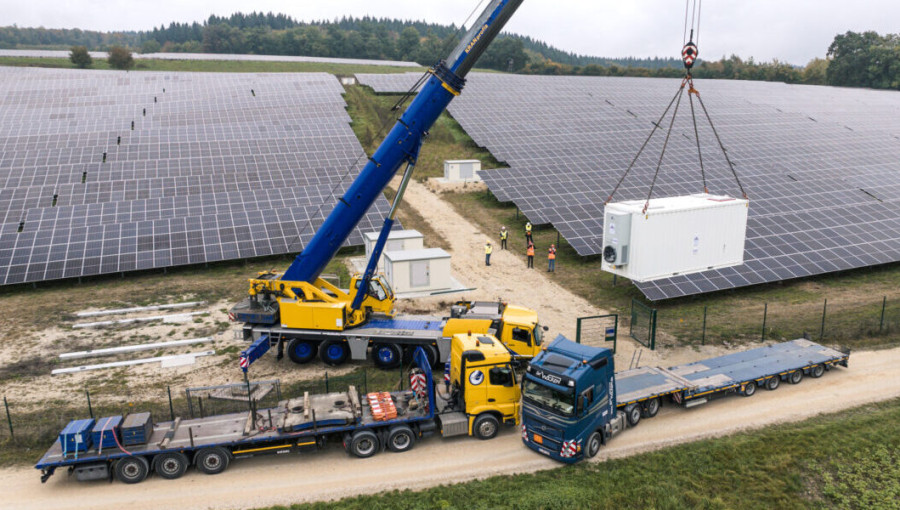
- **Alternative Solutions**: Some industry voices, as noted in posts on X, suggest redirecting focus toward grid improvements and energy storage solutions rather than cutting subsidies outright. For example, the BSW has urged the government to prioritize investments in grid infrastructure and storage to complement solar growth.
Potential Consequences of Subsidy Cuts
If the proposed subsidy cuts are implemented, several outcomes are possible:
- **Reduced Solar Adoption**: A significant drop in new rooftop PV installations could occur, particularly among households with limited financial resources, as the upfront costs of solar systems remain a barrier without subsidies.
- **Impact on Climate Goals**: Slower adoption of solar power could hinder Germany’s progress toward its 2030 renewable energy targets, potentially increasing reliance on fossil fuels and delaying decarbonization efforts.
- **Economic Fallout**: The solar industry, which supports thousands of jobs and contributes to economic growth, could face setbacks, including reduced investment and innovation.
- **Political Backlash**: The proposal risks alienating voters and stakeholders who view renewable energy as a priority, potentially deepening divisions within the coalition government.
Looking Ahead
The future of Germany’s solar industry depends on how policymakers balance fiscal constraints with environmental imperatives. Alternatives to subsidy cuts, such as expanding public-private partnerships, offering tax incentives, or investing in complementary infrastructure like energy storage, could provide a path forward. The solar industry is calling for a cautious approach, emphasizing the need for consistent policies to maintain Germany’s position as a leader in renewable energy.
Conclusion
The German solar industry’s opposition to proposed subsidy cuts underscores the critical role of government support in sustaining the growth of renewable energy. While Economy Minister Katherina Reiche argues that small rooftop PV systems are now profitable without subsidies, industry leaders warn that such cuts could deter consumers, slow adoption, and jeopardize Germany’s climate goals. The debate reflects broader tensions between economic pressures and environmental priorities, with significant implications for the future of solar energy in Germany and beyond.[](https://usasolarcell.com/news/2025/08/12/german-solar-industry-opposes-proposed-subsidy-cuts-for-sustainability/)