German University Installs Solar Carport With Sodium Ion Battery Storage
The new system at the Private University of Applied Sciences for Economics and Technology provides renewable energy for campus operations using sustainable battery technology.
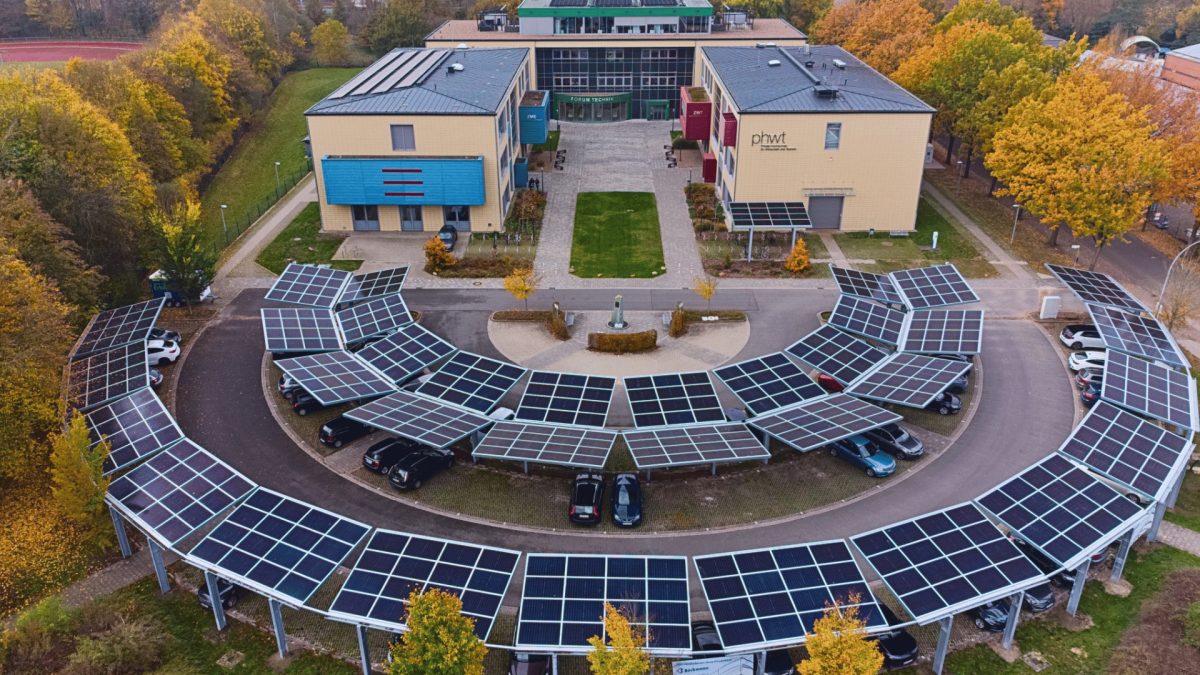
The Private University of Applied Sciences for Economics and Technology (PHWT) in Diepholz, Germany, has launched a solar carport system covering 90 parking spaces and a 20-bike shelter. The installation, which features a unique semicircular design to match the existing parking layout, generates approximately 237 kWp of solar power through 1,150 square meters of glass-glass solar panels.
Designed by the company PfefferKnecht under its LICHTKRAFT brand and constructed by local partner Böckmann, the structure serves as both a canopy and a power source. The panels function as a waterproof roof, eliminating the need for additional membrane materials, while integrated LED strips provide lighting for the parking area. The project was completed in a ten-week construction period during the university's semester break.
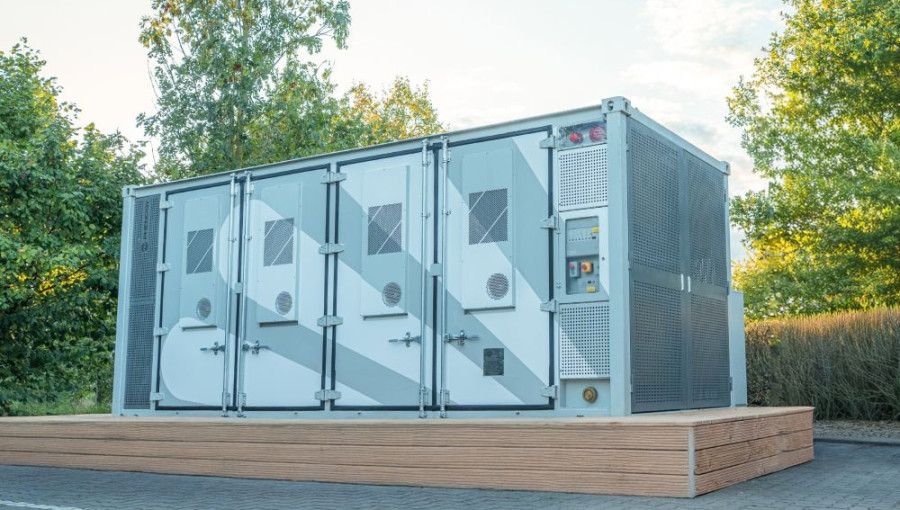
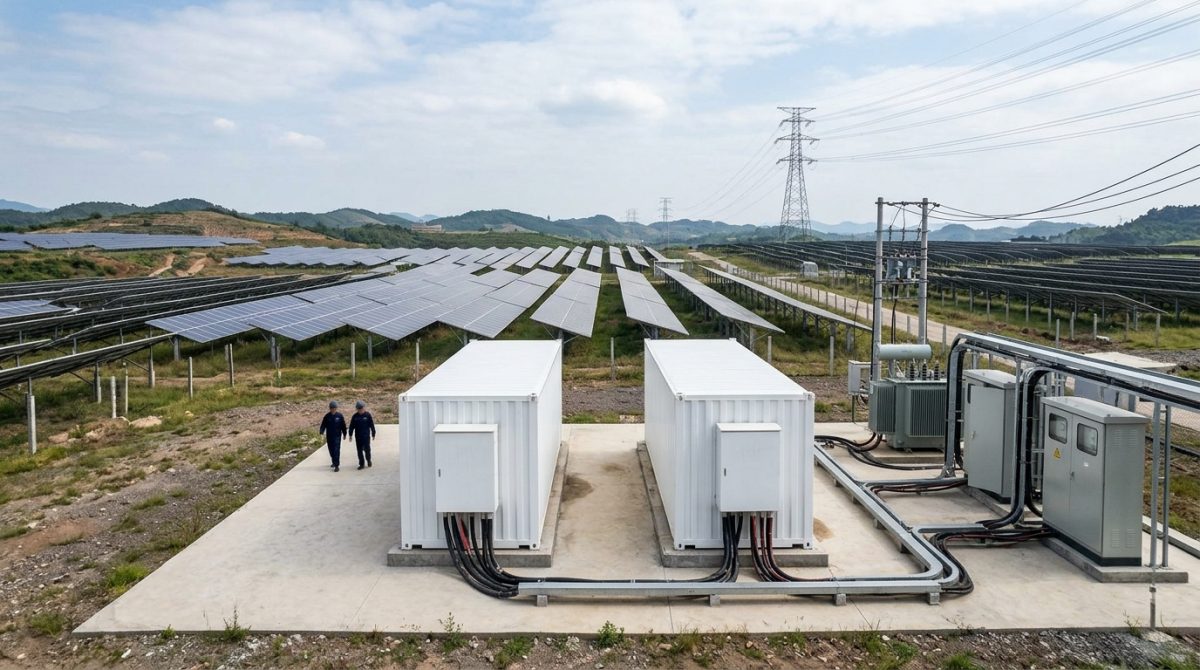
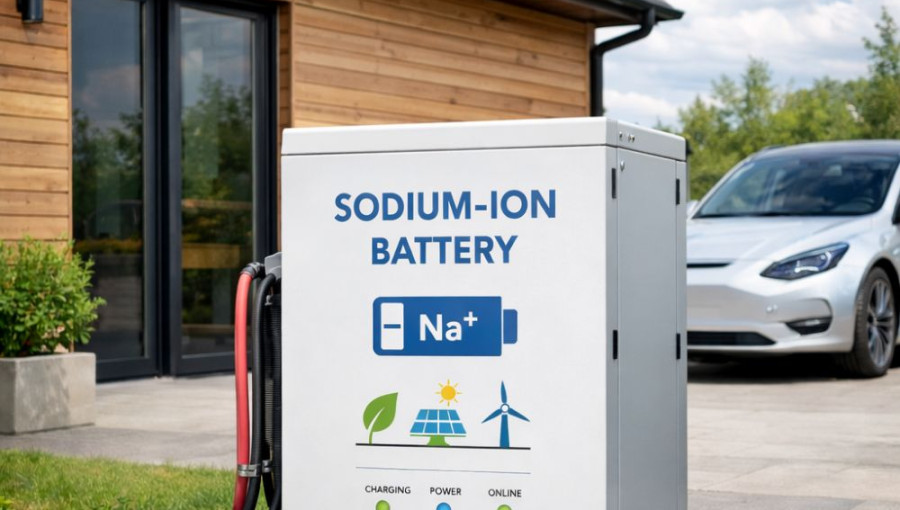
To manage the generated energy, the university installed a 200 kWh sodium-ion battery storage system provided by PHENOGY. This installation marks the first of its kind in Lower Saxony and the third in Germany. By storing solar energy for use during peak demand periods, the university aims to reduce its reliance on grid electricity. The sodium-ion technology was chosen for its use of readily available salt and its ability to operate effectively across a range of temperatures without the need for lithium, graphite, or cobalt.
The initiative was led by PHWT President Prof. Dr. Dennis De and PfefferKnecht Managing Director Andreas Knecht, with planning and permitting supported by the City of Diepholz’s Building Authority over an 18-month period. This new energy infrastructure complements the university's existing ice storage system, which is currently used for campus heating and cooling.