Germany Powers Electric Ferries With Parked EV Batteries
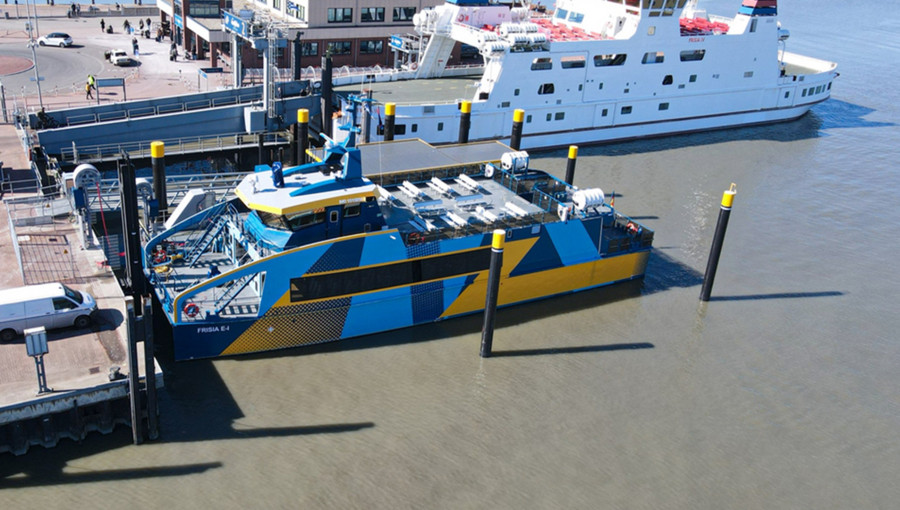
Germany is pioneering a sustainable maritime solution by integrating electric vehicle (EV) batteries into the energy grid to power electric ferries. The "Bi-directional Integration of Electric Vehicles" (BIDI-EL) project uses Vehicle-to-Grid (V2G) technology to turn parked cars into mobile energy storage units. By combining these decentralized batteries with on-site solar panel arrays, the initiative aims to stabilize the local power grid and maximize renewable energy usage. This innovative approach supports the operation of the Frisia E-I, a CO2-neutral catamaran serving the East Frisian Islands, marking a significant step toward fossil-free maritime transport.
The BIDI-EL initiative represents a strategic shift toward more resilient and eco-friendly energy systems in the North Sea region. Through a collaboration between the Osnabrück University of Applied Sciences and ferry operator AG Reederei Norden-Frisia, the project has secured nearly $200,000 in funding from the German Federal Environmental Foundation (DBU). By utilizing V2G systems, researchers are transforming ferry terminal parking lots into active energy hubs. When electric vehicles are stationary, their batteries can feed power back into the harbor’s charging infrastructure, serving as a decentralized storage network that balances the high energy demands of electric shipping.
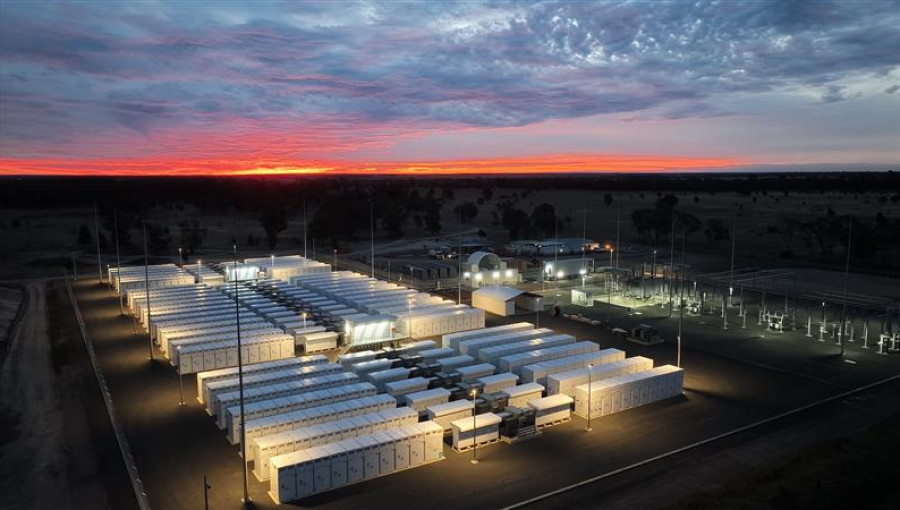
At the heart of this ecosystem is the Frisia E-I, a fully electric passenger ferry set to debut in early 2025. The 32-meter catamaran is designed to transport 150 passengers on the 30-minute crossing between Norddeich Mole and the island of Norderney. To maintain its CO2-neutral status, the vessel draws power from a sophisticated infrastructure that includes a stationary battery storage system and a massive solar panel installation.
The ferry operator’s site currently hosts a photovoltaic system with a capacity of 1,700 kilowatt-peak (kWp), which was installed in 2024. Plans for further expansion are already in development to bolster the site's renewable generation. This solar energy is supplemented by the collective capacity of parked EVs, which project leaders describe as a "wellness operation" for the batteries. This method not only maximizes the use of locally generated green power but also reduces the physical stress on the regional electricity network.
Led by Professors Hans-Jürgen Pfisterer and Kai-Michael Griese, the research team is focused on the long-term commercial and environmental viability of this model. The project, which is scheduled to run until January 2027, aims to establish a foundation for sustainable business models within the circular economy. By proving that bi-directional charging can support heavy transport, the team hopes to provide a scalable blueprint for decarbonizing maritime routes globally.
This partnership reflects a modern evolution for AG Reederei Norden-Frisia, a company with over 140 years of history in the East Frisian Islands. By working closely with scientific institutions, the operator is moving away from traditional fuels to embrace future-ready mobility solutions, signaling a major transformation in how coastal communities manage energy and transportation.