Global Energy Storage Alliance Launched By Industry Leaders At COP31
The new initiative aims to address market, regulatory, and financing barriers to accelerate the deployment of energy storage technologies worldwide.
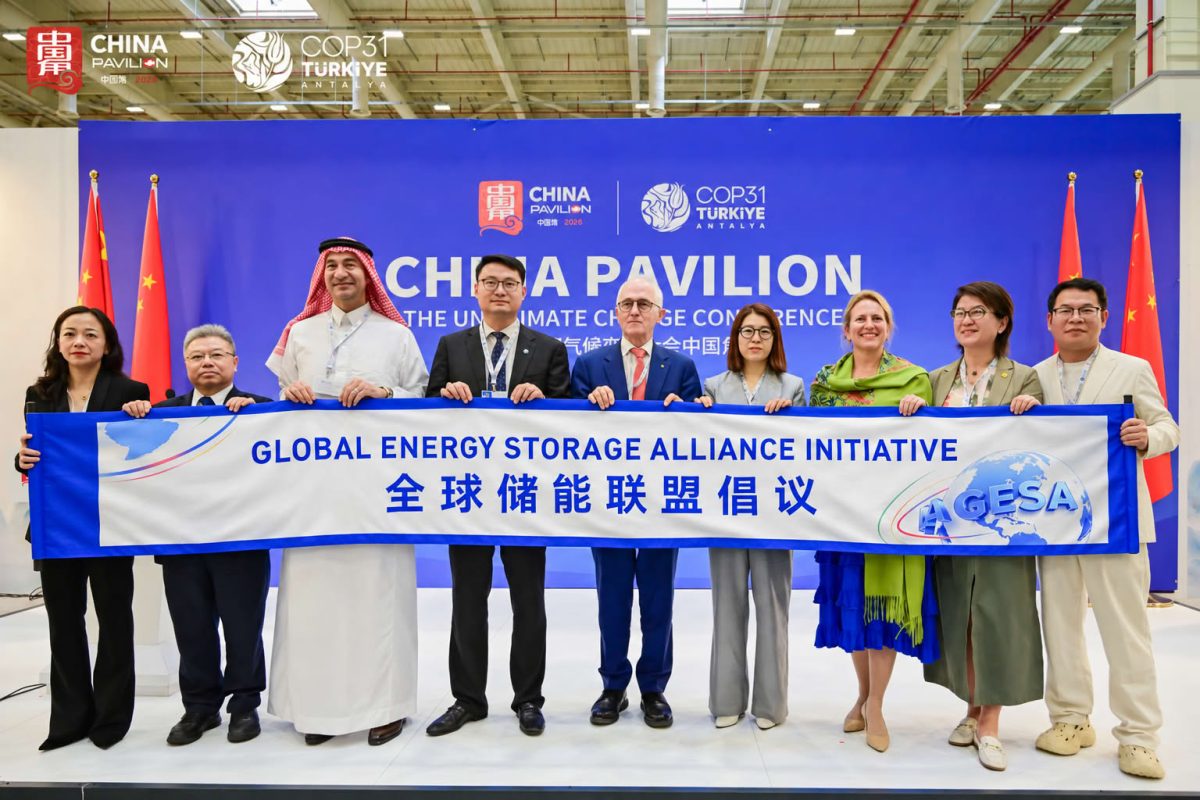
The Global Energy Storage Alliance, or GESA, was officially launched on November 13 at the China Pavilion during the COP31 climate conference in Antalya, Türkiye. The alliance brings together 27 founding organizations, including major battery manufacturers, power utilities, and research institutions, to foster international cooperation and support the global transition toward renewable energy systems.
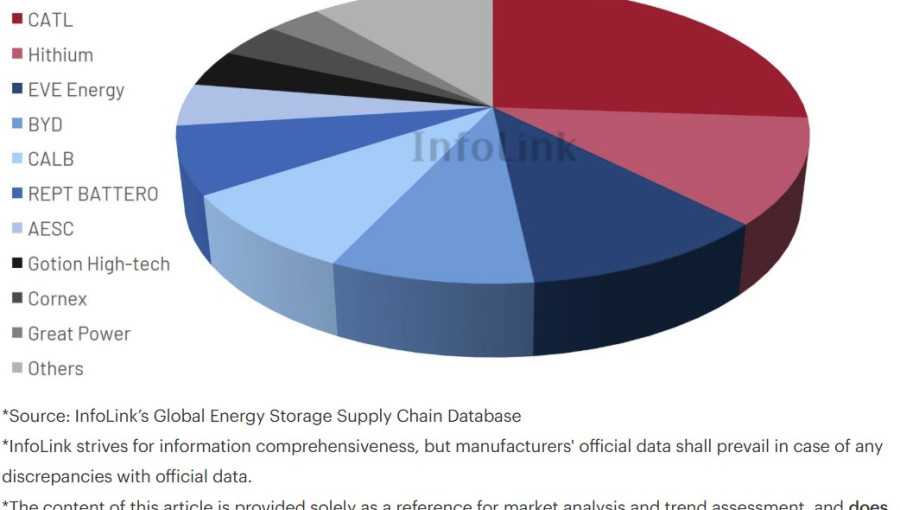
The initiative was established by the China Energy Storage Alliance, the China Renewable Energy Engineering Institute, and China Southern Power Grid Energy Storage Co. Other prominent co-initiators include battery and system manufacturers such as CATL, BYD Energy Storage, EVE Energy, Hithium, and Sungrow. International participation includes the Saudi Arabian utility developer ACWA Power, while organizations like the Long Duration Energy Storage Council and the International Hydropower Association have expressed interest in joining.
GESA has identified six primary objectives, including the creation of a global project and standards database, the improvement of market mechanisms, and the mobilization of investment for projects in developing economies. According to Sun Liqun of China Southern Power Grid Energy Storage, the alliance intends to tackle structural barriers such as the lack of valuation for storage duration, fragmented technical standards, and financing difficulties in emerging markets.
The launch event featured remarks from several high-level officials, including China’s Special Envoy for Climate Change, Liu Zhenmin, and the Director-General of the International Renewable Energy Agency, Francesco La Camera. By focusing on technical assistance and de-risked financing, the alliance seeks to support the global goal of tripling renewable energy capacity by 2030. The initiative aims to facilitate South-South cooperation, particularly in Southeast Asia, the Middle East, and Latin America, to help bridge the energy access gap between developed and developing nations.
For China, the formation of GESA represents a strategic shift from merely exporting energy storage hardware to influencing the development of global standards and regulatory frameworks. The alliance describes itself as a technology-neutral and market-oriented body that respects diverse national regulatory models while working to strengthen international supply chains and trade.