Grid Connection Delays Threaten German Energy Storage Expansion
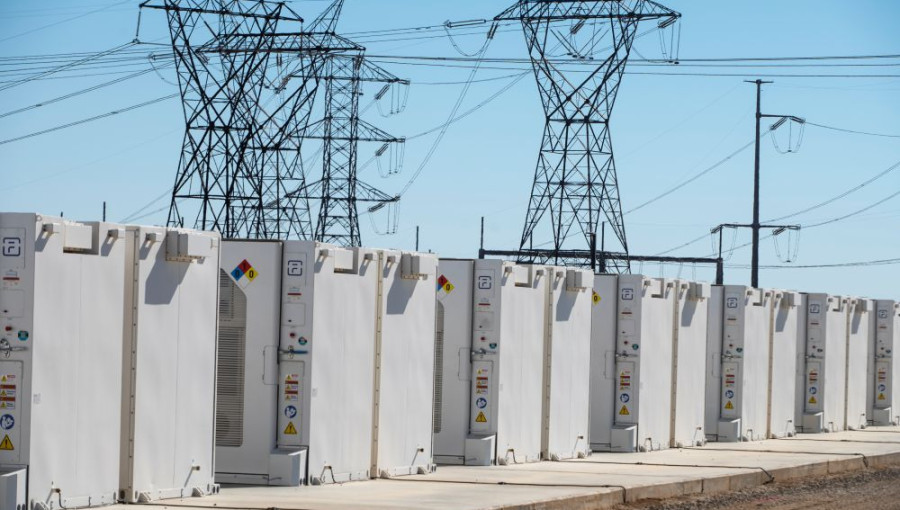
Germany’s rapidly expanding energy storage sector is facing a critical bottleneck as grid connection delays threaten to stall the country’s energy transition. A newly released discussion paper from the Large-Scale Battery Storage Cooperation Forum, involving 58 industry stakeholders, highlights the urgent need for regulatory reform. The group is calling for standardized flexible grid connection agreements and a revised maturity assessment process to distinguish battery storage from other large-scale consumers. With a leaked draft bill currently under review, the industry is pushing for clearer frameworks to integrate storage systems into an increasingly congested national grid.
The Large-Scale Battery Storage Cooperation Forum, established in August 2025 under the Research Centre for Energy Economics (FfE), recently presented its findings at a high-level event held at the 50Hertz headquarters in Berlin. The forum was created to address a significant disconnect in the German energy market: while the demand for large-scale battery systems is booming, the existing grid infrastructure and administrative processes are struggling to keep pace. The resulting discussion paper outlines four primary areas for action: streamlining grid connection requests, standardizing flexible connection agreements, reforming grid fees, and optimizing co-location strategies.
The timing of the report is significant, as the German government is currently navigating shifts in energy policy. Jan Zacharias of the Federal Ministry for Economic Affairs confirmed that a draft bill, which recently surfaced publicly, is expected to undergo cabinet discussion by the end of the first quarter. This legislation would grant transmission system operators more autonomy in designing their own grid connection procedures, a move that has sparked both interest and concern within the storage industry.
A major point of contention raised during the Berlin event was the current "maturity assessment" process used to prioritize grid connections. Urban Windelen, Managing Director of the German Energy Storage Association (BVES), argued that the existing criteria are unsuitable for battery storage. He noted that storage projects are often categorized alongside data centers and other large industrial facilities, a classification that fails to recognize the unique role storage plays in stabilizing the energy system. Industry leaders are advocating for a more nuanced approach that reflects the specific operational characteristics of battery technology.
The lack of standardization in flexible grid connection agreements (FCAs) remains another significant hurdle. Currently, these agreements are negotiated on a case-by-case basis, leading to inconsistency and uncertainty for developers. The forum participants warned that the operational restrictions imposed by grid operators are often so restrictive that they undermine the economic viability of new projects. To combat this, the group recommended a unified framework for restrictions and proposed a system for fair compensation when storage operations are curtailed to maintain grid stability.
Furthermore, the forum addressed the potential of co-location—the practice of pairing battery storage with renewable energy sources like wind or solar farms. Karsten Bourwig of the Federal Network Agency (Bundesnetzagentur) acknowledged the importance of storage but cautioned that it is not inherently grid-friendly. He emphasized that storage systems can, in some instances, increase the need for grid expansion. Consequently, the agency is looking into a redesign of grid fees to ensure they reflect actual grid usage while avoiding the double charging of energy volumes, with further regulatory updates expected in May.