Hanwha Qcells To Test Tandem Solar Cells On Moon
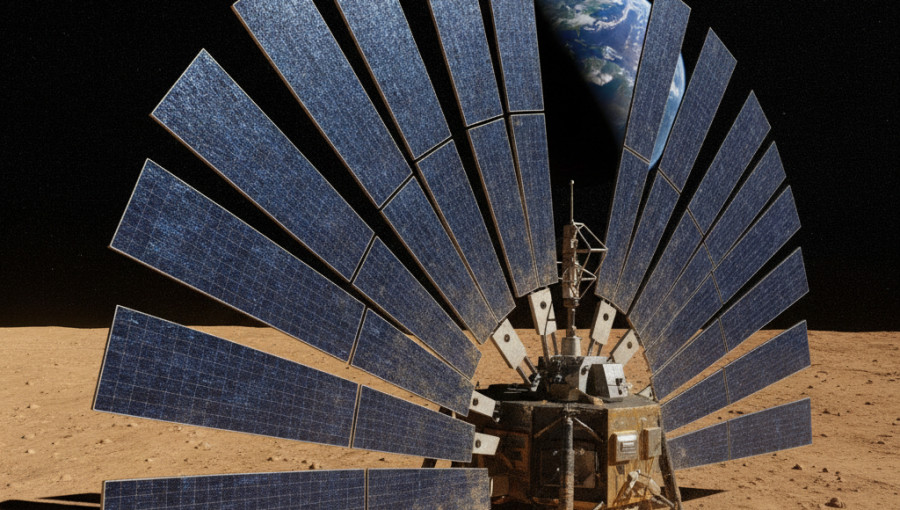
Hanwha Qcells is set to provide its advanced perovskite-silicon tandem solar cells for a NASA-supported lunar demonstration mission. This project, known as the First Flight Lunar In-Situ Solar Cell Experiment, aims to evaluate how these specialized solar modules perform when subjected to the extreme conditions of the lunar surface. By testing the technology against vacuum exposure, intense radiation, and significant temperature fluctuations, the company hopes to gather critical data to refine its research and development. This initiative marks a strategic move for the firm as it explores the potential of space-based renewable energy alongside its terrestrial goals.
The German subsidiary of Hanwha Qcells will supply the tandem cell samples for the mission, which is led by Aegis Aerospace Inc. and supported by the Georgia Tech Research Institute. These devices will be mounted on a lunar lander to undergo rigorous real-world testing. The findings from this experiment are expected to inform the company’s broader roadmap for developing highly reliable solar power technologies capable of functioning in orbit.
While the company continues to advance its space-related research, it remains focused on the commercialization of its tandem products for use on Earth by 2029. Current terrestrial testing at the company’s Thalheim facility and independent sites has already demonstrated stable power generation over extended periods. According to CEO Park Seung-deok, the project represents a significant milestone in sustainable energy, positioning the company to provide renewable solutions for both terrestrial needs and the growing demands of the space sector, including communications, defense, and data infrastructure.