Houston's Hub Home Program Promotes Solar Energy Resilience

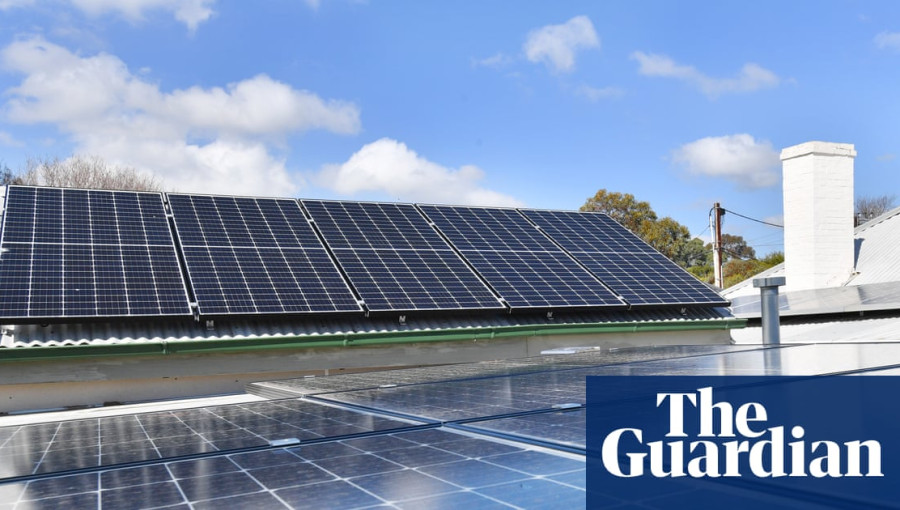
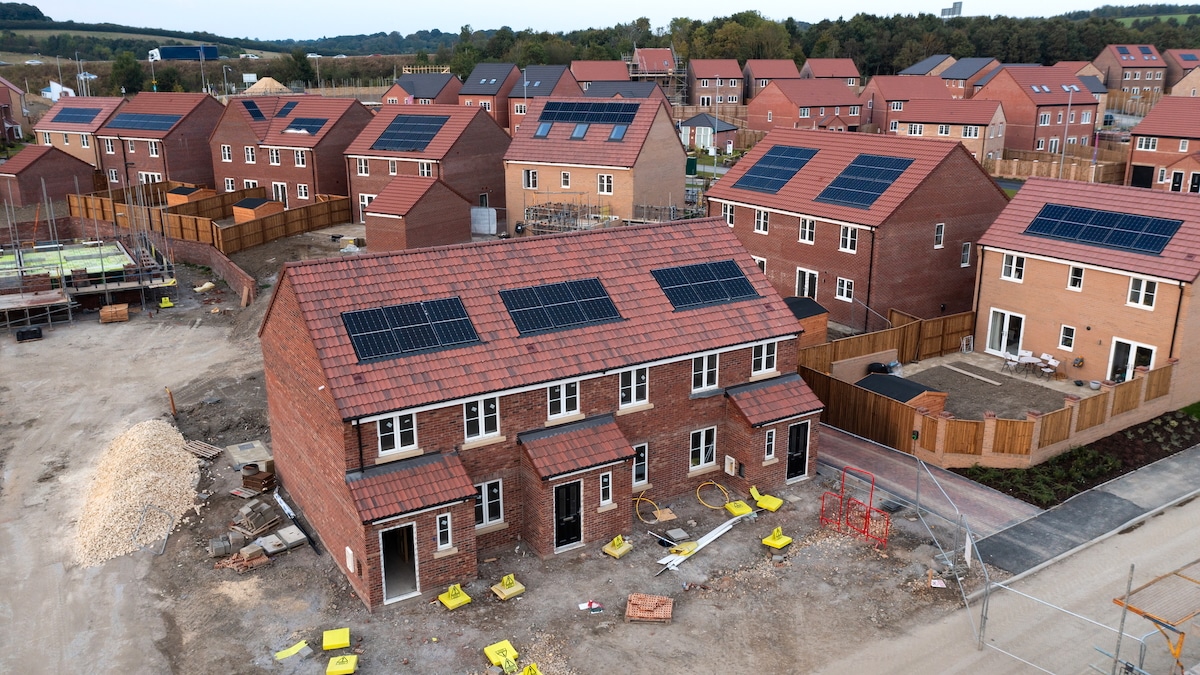
A new initiative in northern Houston, known as the "Hub Home" program, aims to provide residents with solar energy solutions to combat electricity outages, particularly during extreme weather conditions. After the devastating power failures caused by winter storm Uri in 2021, which resulted in numerous fatalities, organizations like West Street Recovery and Solar United Neighbors have collaborated to offer solar panels and battery systems at no cost to local families. This program not only enhances energy resilience but also fosters community connections and reduces greenhouse gas emissions.
The electricity distribution model in the United States traditionally operates as a monopoly, with single companies catering to designated regions to avoid the chaos of multiple providers. While this model has historical validity, it presents significant challenges during power outages, affecting crucial services such as heating and refrigeration. Experts have highlighted the risks posed to vulnerable populations, exemplified by the fatalities during the Texas winter storm in 2021. In response, Becky Selle of West Street Recovery reflected on the lack of preparedness for grid failures and the organization's subsequent efforts to provide generators to residents.
In a partnership with Solar United Neighbors, West Street Recovery received solar panels and battery systems funded by the Hive Fund for Climate and Gender Justice. This initiative specifically targets low-income and underserved communities in the southern United States, aiming to create healthier and more just environmental conditions while enabling local groups to build power and influence.
Despite facing challenges such as ensuring suitable roof conditions for solar panel installation and fostering community trust, participants like David Espinoza have worked diligently to connect with their neighbors. Through personal outreach, he has offered his rooftop solar system to about a dozen households, demonstrating both generosity and practical environmental action.
Another participant, Doris Brown, experienced first-hand the benefits of the program when her home remained powered during a recent blackout thanks to her solar system. She welcomed several neighbors into her home, allowing them to stay warm, charge devices, and prepare meals during the outage.
This initiative aligns with the Biden administration's "Solar For All" program, designed to assist low- and moderate-income households in accessing solar energy. It aims to lower utility costs and reduce reliance on fossil fuels, despite political controversies surrounding the funding and focus of such programs. The ongoing Hub Home project showcases how community-led actions can effectively address energy resilience while promoting sustainability, highlighting a pathway toward a cleaner and more interconnected future.