Innovative Solar Panels Mimic Traditional Building Materials
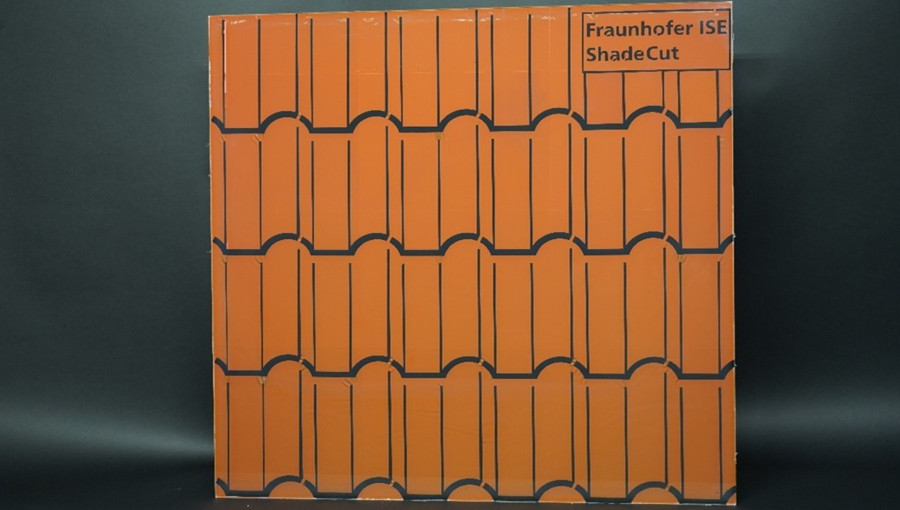
Researchers at the Fraunhofer Institute for Solar Energy Systems (ISE) in Germany have developed "ShadeCut," a novel technology that enables solar panels to mimic traditional building materials like roof tiles and masonry. By utilizing bio-inspired photonic structures instead of pigments, these modules achieve vibrant, angle-stable colors while maintaining 95 percent of the power output of standard solar modules. This innovation aims to increase the adoption of building-integrated photovoltaics (BIPV), particularly in historic districts and design-sensitive architectural projects where aesthetic concerns often limit solar installations.
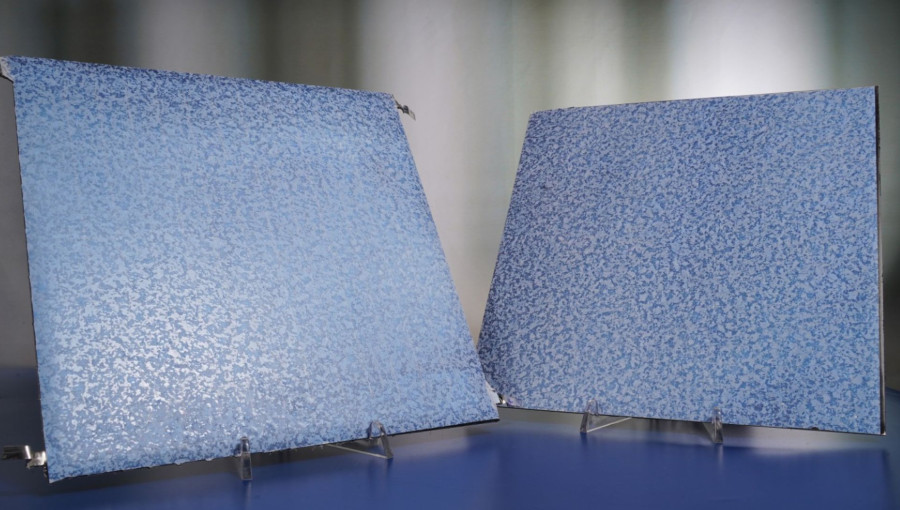
The ShadeCut system is an evolution of the institute’s existing MorphoColor technology, which draws inspiration from the iridescent wings of the Morpho butterfly. Unlike traditional solar panels that use pigments, this method employs 3D photonic structures to manipulate light and generate vivid colors. The new ShadeCut process uses laser or CAD-controlled techniques to cut intricate patterns into these color-producing films, allowing for highly detailed visual effects. This approach ensures that the solar module remains functional while providing the visual texture of traditional construction materials.
According to Dr. Martin Heinrich, a lead researcher at Fraunhofer ISE, the technology is particularly valuable for integration into building facades, railings, and roof-integrated systems. The flexibility of the CAD-controlled process means that solar installations can now be customized with specific patterns or corporate logos, making them a versatile tool for modern architects. By matching the surrounding colors and textures of a building, these modules can be installed in sensitive environments where traditional blue or black panels would be visually disruptive.
Beyond its aesthetic appeal, the technology boasts superior technical performance. Independent testing confirmed that the MorphoColor-based coatings allow for significantly higher light transmission than existing market alternatives, ensuring that the solar cell underneath remains highly productive. This efficiency makes the technology a viable solution for large-scale urban energy projects where maximizing CO2 emission reductions is critical but architectural integrity must be preserved.
The researchers noted that the films could be applied to both standard photovoltaic systems and solar thermal modules. By adjusting the microscopic structures within the cover glass, a wide spectrum of colors can be produced to meet specific design requirements. This adaptability is expected to significantly expand the market for BIPV, turning entire building envelopes into active power generators.
The Fraunhofer ISE team plans to present the ShadeCut modules to the public at the upcoming Intersolar Europe exhibition in Munich. Scheduled for June 2026, the event will showcase how these aesthetic advancements can help bridge the gap between renewable energy goals and urban preservation efforts.