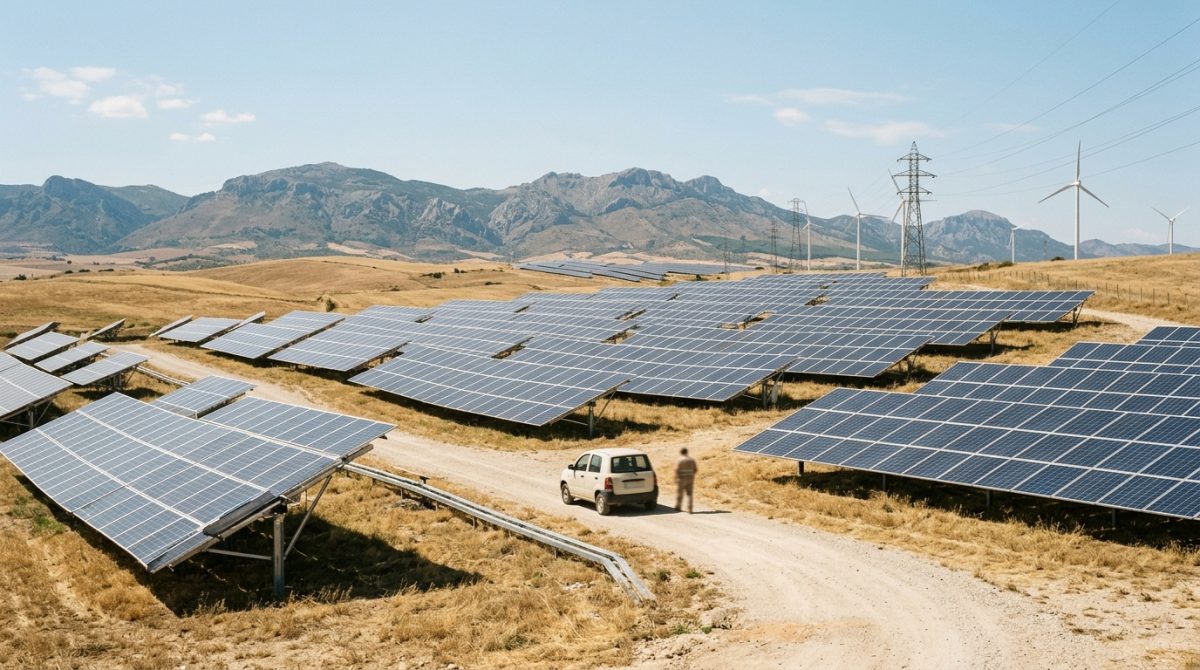
Italy Records First Negative Electricity Prices Amid Solar Growth
The historic event in southern market zones highlights the growing potential for battery energy storage systems to capture significant price spreads.
Italy experienced negative electricity prices for the first time in its day-ahead market history on October 14. During the early afternoon, prices in the Sicily, Calabria, and South market zones dropped to -€0.01/MWh. This occurrence was driven by a combination of low electricity demand and high solar generation, which forced the market clearing price into negative territory as some producers opted to pay to generate rather than shut down.
While the national reference price index, the PUN (Prezzo Unico Nazionale) Index GME, has seen limited instances of zero-price hours in 2026, the market is increasingly characterized by volatility. On the day of the negative pricing, the northern regions of Italy maintained significantly higher prices, illustrating the impact of grid congestion and limited interconnection capacity between the country's seven market zones.
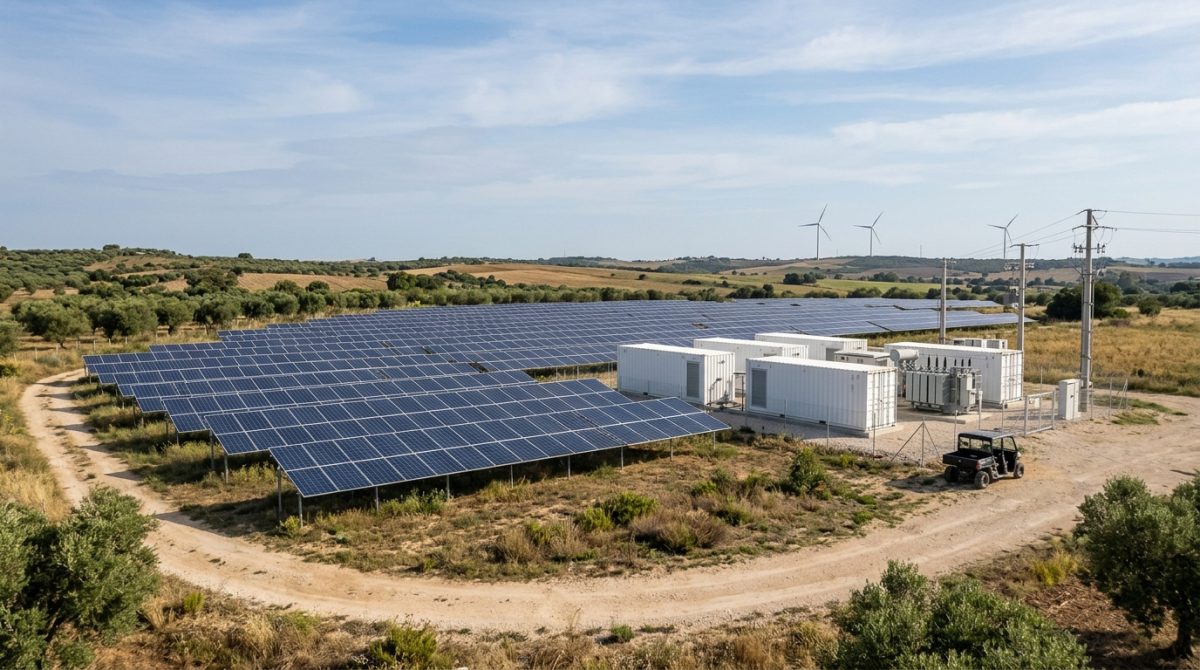
Market experts suggest that the next 7 GW of solar capacity added to the grid will have a more profound impact on price spreads than the previous 7 GW. As solar penetration grows, the market is shifting toward distinct price levels between peak solar hours and evening periods. This volatility creates a substantial opportunity for battery energy storage systems (BESS), which can store excess energy during the day to sell during high-price evening windows.
Although large-scale storage projects are planned under the national procurement scheme known as Macse, which aims to add 26 GWh of capacity by 2029, current solar growth is outpacing the deployment of battery storage. Consequently, early BESS installations are expected to generate significant returns by providing flexibility services and arbitrage. Beyond day-ahead market participation, these systems are increasingly viewed as essential tools for energy-intensive companies to manage price volatility and replace gas-fired generation during peak evening hours.