Marine Antioxidant Taurine Stabilizes Perovskite Solar Cells
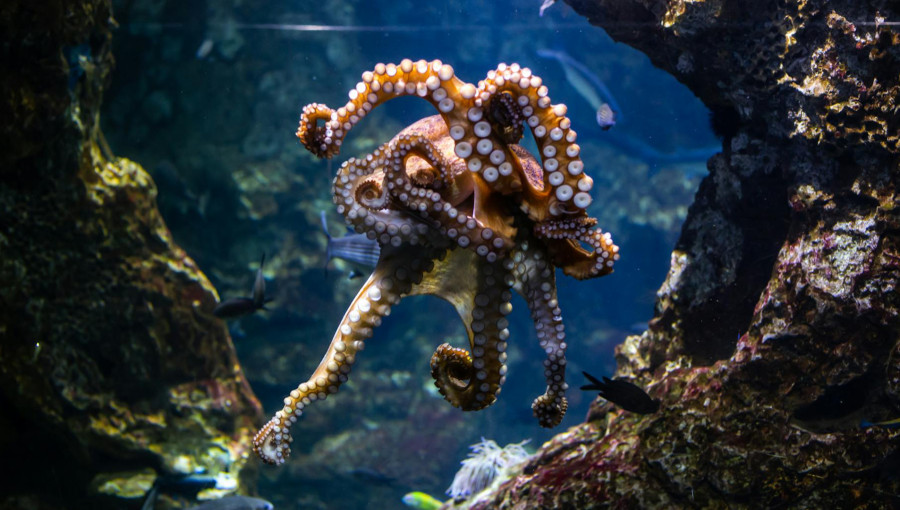
Researchers from the Daegu Gyeongbuk Institute of Science and Technology and the Korea Institute of Science and Technology have developed a breakthrough method to stabilize perovskite solar cells using taurine, a natural antioxidant found in marine life like octopuses. While these cells offer high efficiency and low production costs, they typically degrade quickly due to internal oxygen exposure. By applying a microscopic taurine layer, the team successfully neutralized destructive chemical reactions, significantly extending the lifespan and durability of the technology. This innovation brings perovskite solar cells closer to commercial viability as a sustainable alternative to traditional silicon-based energy solutions.
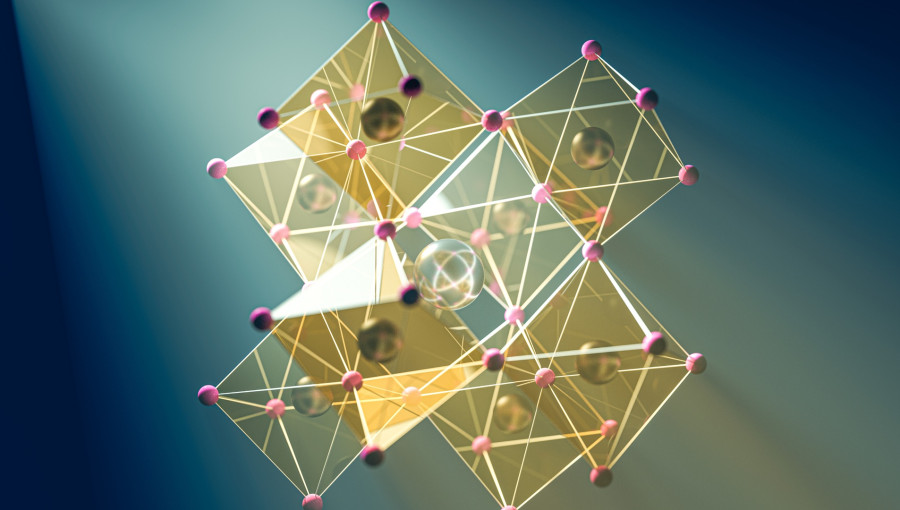
Perovskite solar cells have long been regarded as the future of clean energy, with laboratory efficiency rates now exceeding 26 percent, rivaling traditional silicon. Their appeal lies in their lightweight, thin-film structure and the ability to be manufactured at low temperatures from liquid solutions. However, their primary weakness is a lack of long-term stability. Oxygen trapped inside the device during the manufacturing process reacts with sunlight to create superoxide radicals, which aggressively decompose the organic molecules within the perovskite crystal.
This degradation is most severe at the "buried interface," where the perovskite layer meets the tin-dioxide layer used to transport electrical current. Traditional encapsulation methods, which seal the exterior of the solar module, fail to address the oxygen already present inside the device or the oxygen-related defects on the surface of the tin dioxide. To combat this, the research team introduced an ultrathin layer of taurine at this critical junction to act as a chemical shield.
Taurine, a sulfur-containing amino acid, utilizes a unique molecular structure known as a zwitterion to carry both positive and negative charges. This allows it to electrostatically trap superoxide radicals the moment they form. Through a two-step chemical process, the taurine converts these radicals into less harmful hydrogen peroxide and prevents the formation of triiodide, a compound that usually accelerates the destruction of the cell. Crucially, the chemical reactions are self-regenerating, meaning the taurine layer continues to provide protection without being consumed.
Experimental results confirmed the effectiveness of this marine-inspired approach. Under intense ultraviolet light and ozone exposure, the taurine-protected films maintained seven times more of their structural integrity compared to untreated samples. Furthermore, the chemical treatment reduced internal defects and nearly doubled electron mobility within the device. The optimized solar cell achieved a power-conversion efficiency of 24.8 percent, maintaining high performance even under significant thermal stress.
In operational tests, the taurine-treated cells retained 80 percent of their initial efficiency after 130 hours of exposure to ambient air, performing five times better than standard cells. Additionally, the devices maintained 97 percent of their efficiency after 450 hours of operation at 65 °C. The researchers, whose findings were published in the journal *Advanced Energy Materials*, suggest that these self-regenerating antioxidant layers could be adapted for various other solar technologies, paving the way for durable, high-efficiency solar panels that can withstand real-world environmental conditions for years.