Massachusetts School Buses Power Grid With Bidirectional Charging
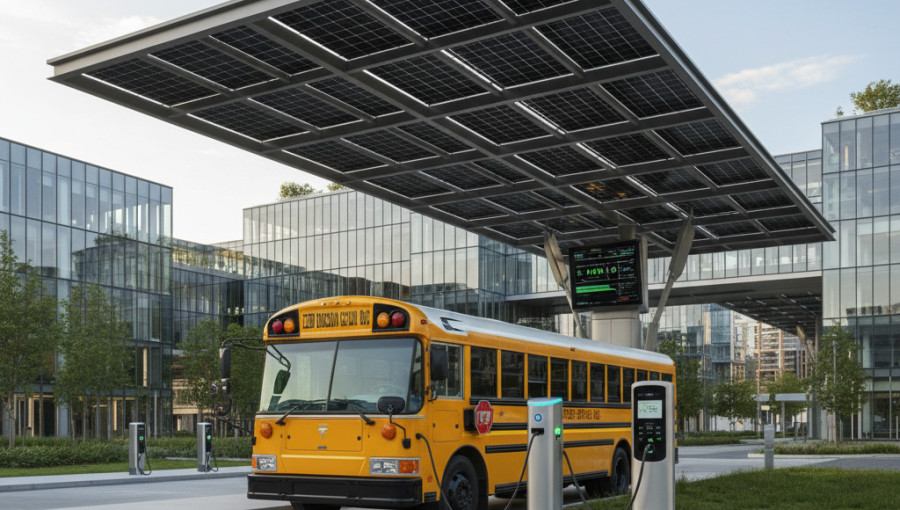
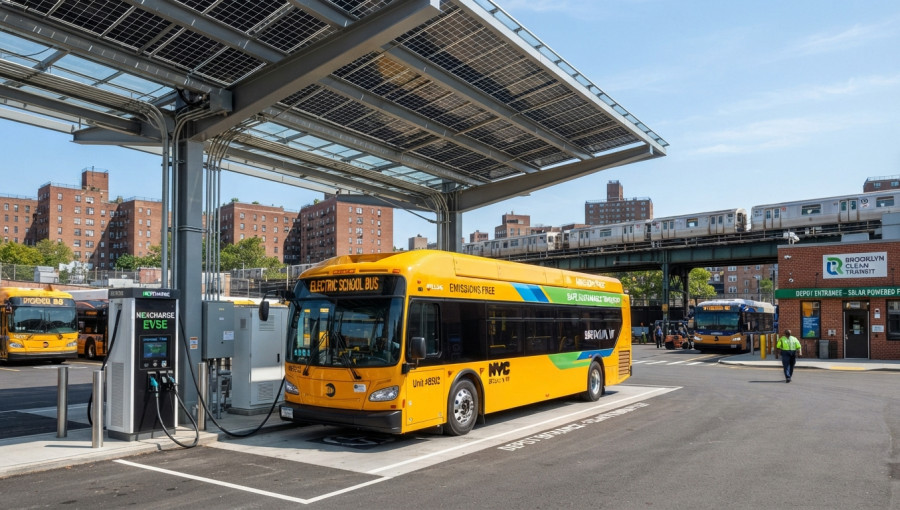
Electric school buses in the Massachusetts towns of Acton and Boxborough are pioneering a new energy strategy by serving as mobile batteries for the regional power grid. During the summer months, these vehicles will charge overnight when electricity is affordable and clean, then discharge energy back to the grid during peak demand hours. This initiative is part of a broader state-led demonstration program exploring vehicle-to-everything technology. By utilizing bidirectional chargers, the project aims to stabilize the grid, reduce reliance on fossil-fuel-powered peaker plants, and provide financial returns to help offset the costs of school district transportation.
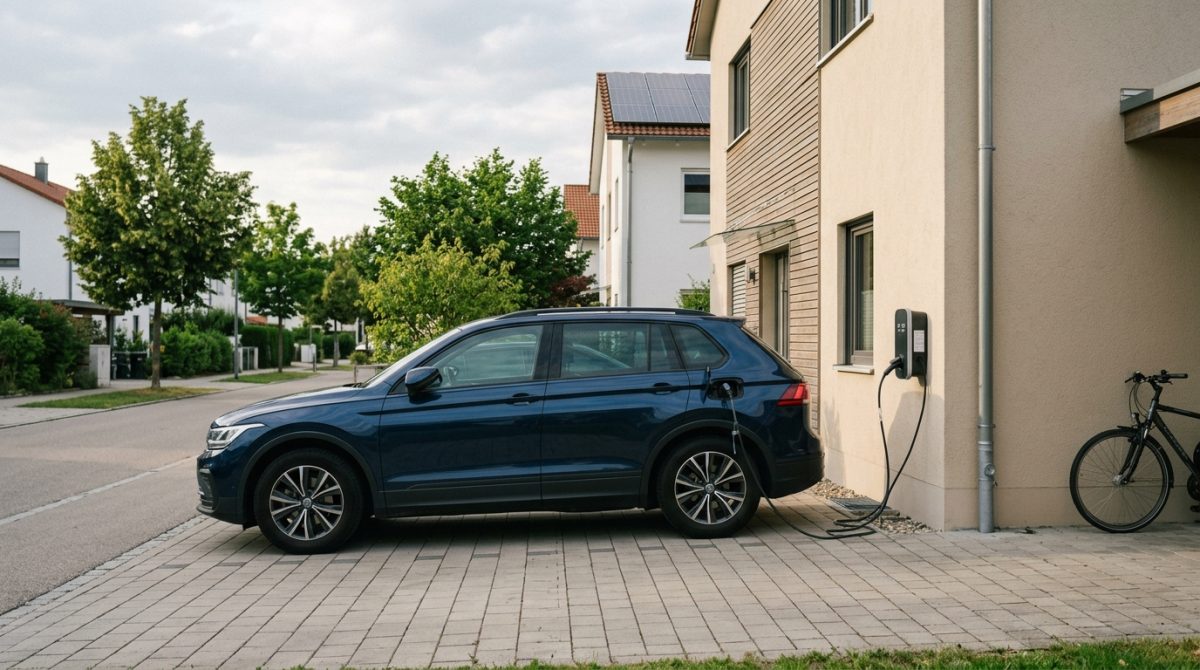
The Massachusetts Clean Energy Center launched this demonstration program in early 2025 to test the feasibility of bidirectional charging across various settings. The initiative includes five school districts, four municipalities, and 30 residential participants, utilizing a diverse array of vehicles ranging from buses to compact hatchbacks. By deploying these systems across different geographic regions and utility territories, the state hopes to identify the technical and regulatory hurdles that have historically prevented the widespread adoption of vehicle-to-everything technology, such as high equipment costs and the lack of standardized compensation models for grid-discharged power.
A significant challenge identified during the rollout involves the intersection of existing state solar incentives and grid-compensation programs. Because current technology struggles to distinguish between electricity sourced from solar panels and energy discharged from an electric vehicle battery, many applicants with residential solar installations were initially disqualified from the program. Experts suggest that shifting toward a virtual power plant model—which manages distributed energy resources like solar panels and batteries as a unified network—could resolve these conflicts and maximize the value of electric vehicles on the grid.
Despite these regulatory complexities, the program has seen unexpected success regarding utility interconnection, with participants reporting smooth cooperation from local power providers. As the Massachusetts Clean Energy Center collects data throughout the year, it plans to publish a comprehensive guidebook to assist other states in navigating the technical and financial barriers of bidirectional charging. For the Acton-Boxborough school district, the transition to electric buses offers immediate benefits beyond grid support, including quieter operations and the elimination of diesel fumes, contributing to a cleaner and more stable future for the local community.