Millions Of Australians Excluded From Rooftop Solar Benefits
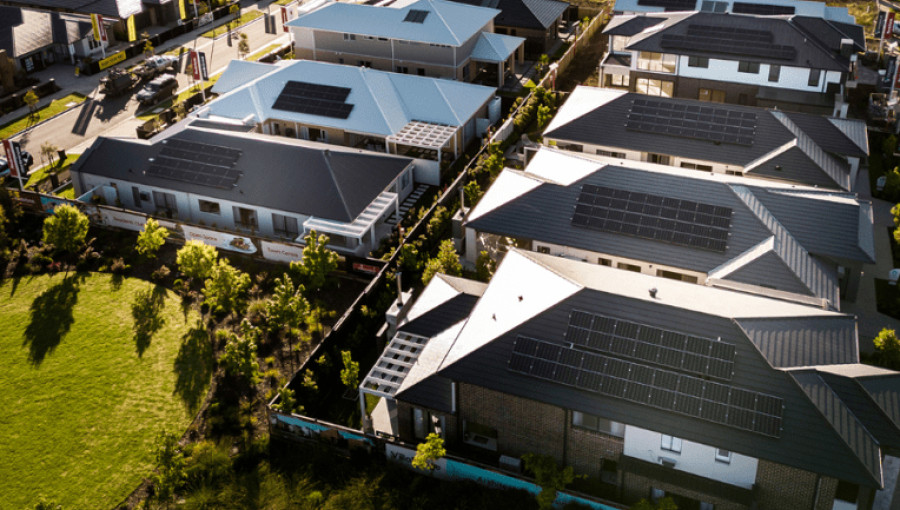
New research from Energy Consumers Australia (ECA) highlights a significant divide in the nation’s clean energy transition, revealing that half of all households face structural obstacles to adopting rooftop solar and battery energy storage. While 4.4 million homes currently utilize solar power—contributing 13.9% of Australia’s electricity in 2025—millions of residents remain excluded from these benefits. Renters, apartment dwellers, and low-income families are frequently unable to access these technologies due to tenancy restrictions, complex strata regulations, or financial limitations, despite the availability of federal government subsidies like the Cheaper Home Batteries program.
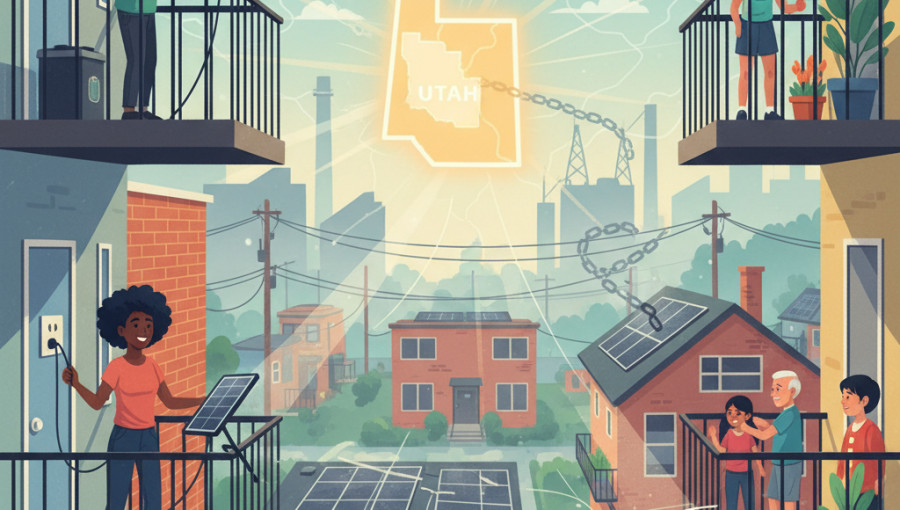
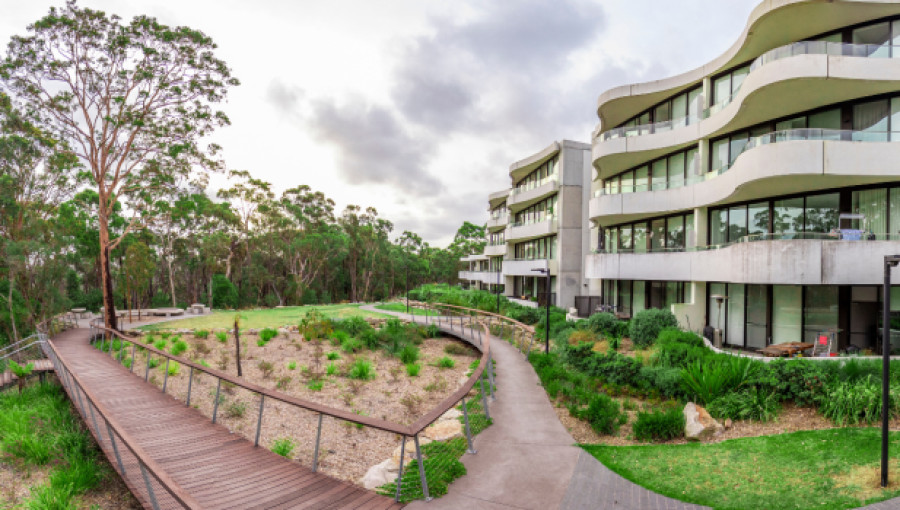
The report identifies that 33% of Australians are renters with limited authority over their property’s energy infrastructure, while 7% are apartment owners constrained by legal and governance hurdles. Furthermore, 10% of households earn less than $50,000 annually, making the upfront investment in solar panels or batteries difficult. Ashley Bradshaw, an executive at ECA, emphasized that these groups are being left behind in the energy revolution, which exacerbates inequality regarding energy costs and household comfort. The organization warns that without policy intervention, these segments of the population will continue to miss out on the financial and environmental advantages of decentralized energy.
To address these disparities, the ECA is urging state and territory governments to implement minimum energy performance standards for rental properties. They are also advocating for mandatory energy performance ratings at the point of sale or lease, alongside reforms to strata rules that currently hinder electrification in multi-unit buildings. For low-income earners, the group suggests providing direct grants and financial support, while proposing tax incentives for landlords who upgrade their properties. These measures aim to ensure that the benefits of the transition are more equitably distributed across the Australian population.
Despite these systemic challenges, the research also points to a significant opportunity for growth among households that do not face structural barriers. The data indicates that 15% of Australian homes are actively researching solar installations, and 23% are considering the purchase of a battery. These households represent an untapped market of consumers who are ready to invest in small-scale energy technology. By removing the hurdles for vulnerable groups while supporting those already prepared to transition, Australia can further accelerate its shift toward a more sustainable and inclusive energy future.