New Electrochemical Method Turns Wood Waste Into Fuel
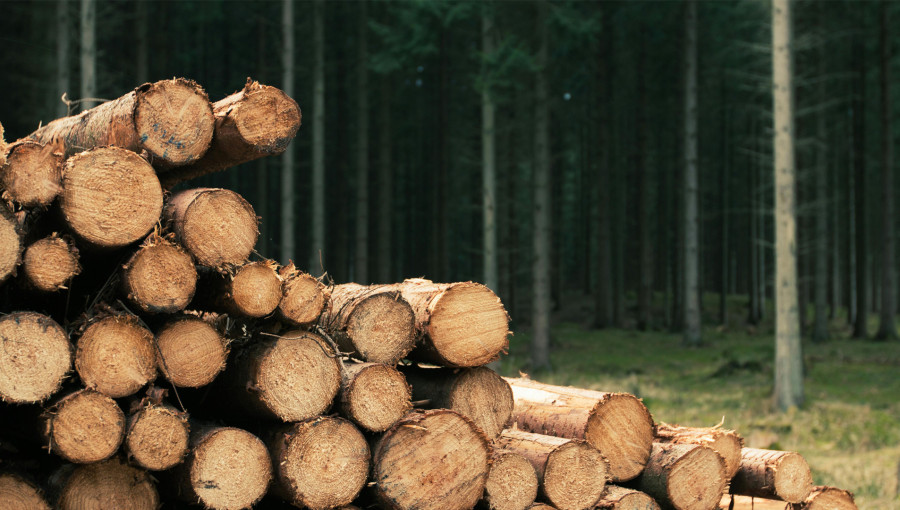
Researchers have developed a groundbreaking electrochemical method to transform lignin, a notoriously resilient component of plant matter, into high-value chemicals and fuels. By utilizing a palladium-on-carbon catalyst and electricity instead of high-pressure hydrogen and extreme heat, the team successfully broke down the complex molecular bonds of wood waste. This innovation offers a sustainable alternative to traditional biorefining, potentially turning abundant agricultural and forestry waste into a reliable source of renewable energy and industrial materials without relying on fossil fuels or energy-intensive processing conditions.
Lignin serves as the structural backbone of plants, providing the rigidity necessary for trees and stalks to stand upright. While it represents one of the most abundant carbon sources on Earth, its "recalcitrant" nature—defined by a tangled structure and incredibly strong chemical bonds—has historically made it difficult to process into useful products. Traditional methods to break these bonds require intense energy, high temperatures, and the addition of external hydrogen gas, which often results in low efficiency and high CO2 emission levels during production.
A new study published in the journal Applied Catalysis B: Environment and Energy introduces a cleaner, more efficient approach to this problem. The researchers designed an electrochemical system centered on a 5 wt% palladium-on-carbon (Pd/C) catalyst. Rather than pumping in external hydrogen gas, the system uses electricity to extract reactive hydrogen directly from water on the catalyst's surface. This allows for the simultaneous cleavage of chemical bonds and the stabilization of the resulting molecules in a single, streamlined step.
The catalyst utilizes a dual-action mechanism to achieve these results. Palladium oxide (PdO) is responsible for breaking the stubborn carbon-oxygen bonds within the lignin, while metallic palladium (Pd⁰) transforms the resulting fragments into stable compounds such as cyclohexanol. The team discovered that the synergy between these two forms was essential; when tested separately, neither form could match the high activity and selectivity of the combined Pd/C catalyst. Testing on model compounds showed a 100 percent conversion rate within 90 minutes at 70°C, with some reactions occurring at temperatures as low as 30°C.
To test the practical viability of the process, the researchers applied the method to actual birch wood biomass. Under mild conditions, the system achieved a 19.6 percent yield of lignin-derived monomers. These include valuable building blocks like syringol and guaiacol derivatives, which are essential for the production of sustainable fuels and advanced materials. One specific high-value chemical accounted for over 41 percent of the total output, demonstrating the precision of the electrochemical approach.
This research introduces a potential biorefinery platform that operates on electricity rather than fossil fuels. By combining bond-breaking and chemical upgrading under relatively mild conditions, the process offers a more sustainable pathway for waste management and chemical production. While the researchers noted that yields from raw biomass must be further improved for large-scale industrial use, the ability to control complex chemical reactions through electrical input provides a flexible and scalable foundation for the future of green manufacturing.