New Guidance Balances Solar Farm Expansion With Skylark Conservation
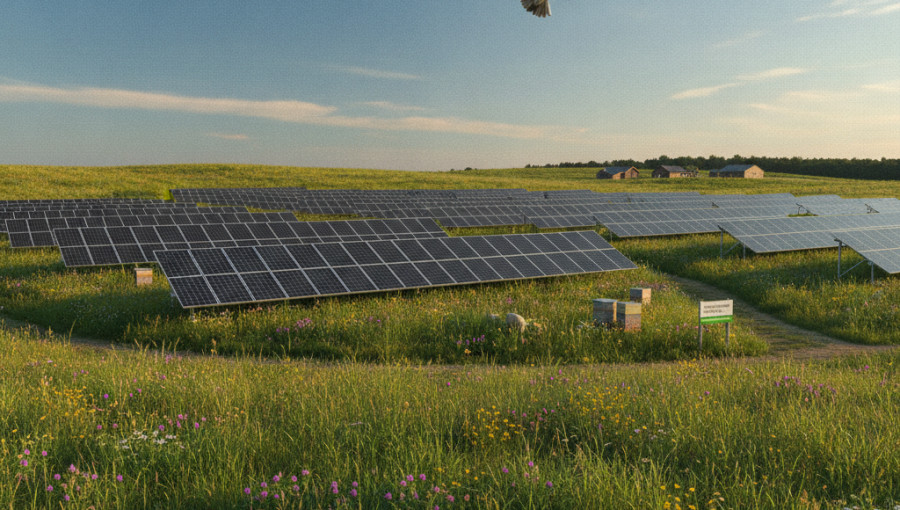
A new topic paper from Solar Energy UK, titled "Solar Farms & Skylarks," provides guidance on balancing the expansion of renewable energy with the conservation of the red-listed skylark. The report argues that while solar developments may displace nesting skylarks from the immediate footprint of solar arrays, well-managed sites can offer significant biodiversity benefits. By transitioning from intensive arable land to permanent grassland, solar farms can improve soil health and invertebrate abundance. The paper emphasizes that planning decisions should be proportionate, focusing on landscape-scale population health rather than requiring strict, pair-for-pair mitigation for every displaced nesting territory.
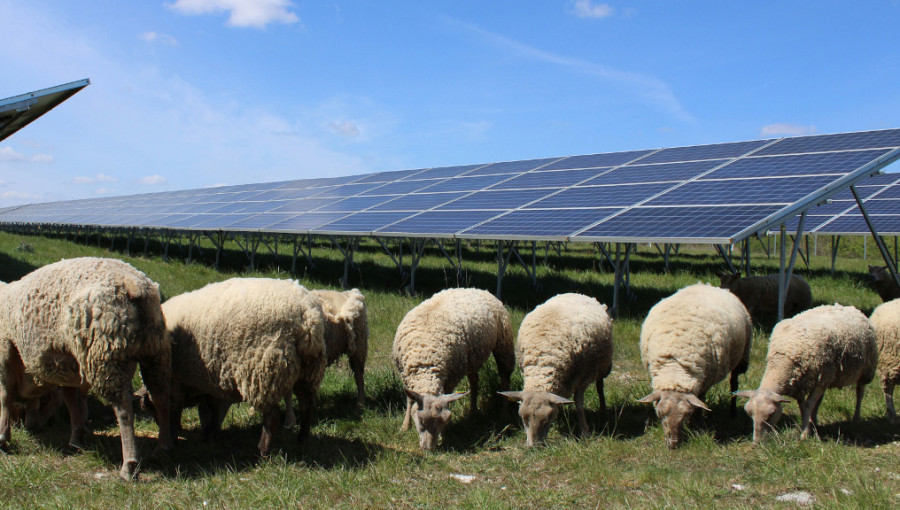
The skylark, a species of national conservation concern, has faced significant population declines due to agricultural intensification and habitat loss. As the UK accelerates its deployment of solar energy to meet net-zero commitments, questions regarding the impact of these developments on breeding birds have become central to planning discussions. The report highlights that current ecological evidence does not support a universal approach that assumes complete habitat loss. Instead, it suggests that solar farms, when designed with nature in mind, can function as part of a wider agricultural landscape that supports various farmland species.
The document reviews several mitigation strategies, including the use of skylark plots, which have traditionally been used in arable farming to boost productivity. While these plots can be effective, the report notes that they may be challenging to maintain over the multi-decade operational lifespan of a solar farm. Alternative approaches, such as the creation of permanent meadow grassland and the use of spring-sown crops, are presented as more durable solutions that align with broader biodiversity net gain objectives. These methods help create a more stable, long-term foraging resource for skylarks and other priority species.
Ultimately, the report calls for a shift in how planning authorities evaluate solar proposals. It argues that refusal of a development based solely on the displacement of breeding skylarks is often disproportionate, especially when the project offers measurable gains for other species and contributes to climate mitigation. The guidance encourages developers and planners to work with qualified ornithologists to assess impacts at an appropriate geographic scale. By integrating skylark conservation into wider nature recovery frameworks, the solar industry can ensure that renewable energy infrastructure contributes positively to both biodiversity recovery and the UK’s energy transition.