New Guidelines Released for Safe Photovoltaic System Installation

CFPA Europe has released an English-language guideline detailing loss-prevention strategies for building-mounted photovoltaic (PV) systems. The guideline addresses crucial areas such as structural integrity, electrical safety, lightning protection, fire safety protocols, maintenance practices, theft prevention, and firefighting guidance. The primary emphasis lies in ensuring that PV installations align with a building’s fire protection strategy while adhering to European standards and collaborating effectively with insurers and industry professionals.
Applicable to grid-connected PV systems integrated into building roofs or facades, as well as those mounted above, the guideline cautions that inadequate planning and installation, along with external threats like severe weather, fire, and theft, can jeopardize both the PV systems and the buildings themselves. It advocates for meticulous planning and the involvement of qualified professionals in structural, electrical, and roofing disciplines.
For electrical safety, the guideline mandates compliance with established standards for all components, including modules and inverters. The document stresses the importance of integrating lightning protection without compromising its effectiveness and addresses the risks associated with bypass diode failure due to shading and overvoltage. It encourages design practices that limit shading, implement surge protection, and maintain short DC runs to reduce connection points.
Fire safety is a central concern. To mitigate the risk of DC arcs igniting materials, it is recommended that DC cabling be positioned outside the building whenever feasible. Isolation capability from external sources is essential, and inverters should ideally be located outdoors or in designated fire compartments on non-combustible surfaces. Additionally, battery storage units must be housed in ventilated, temperature-controlled spaces with direct outdoor access to minimize risks.
The guideline promotes strategies to prevent fire spread, advising against placing combustible PV components across fire walls, suggesting instead to utilize fire-resistant ducts when necessary. It also emphasizes maintaining access for firefighting operations, ensuring adequate clearance from heat and smoke areas, and adhering to specific distancing guidelines between array components. For expansive, integrated roof systems, using non-combustible support materials is recommended.
To combat theft, particularly in remote buildings, the guideline suggests implementing secure fixtures for modules and inverters, using tamper-resistant fasteners, and marking equipment with indelible serial numbers while maintaining thorough inventories. It underscores the importance of avoiding easy access points for unauthorized individuals and recommends enhanced security measures such as fencing and surveillance for open systems.
A competent professional should conduct a thorough review prior to system activation, which includes visual inspections, checks on wiring, functional assessments, and comprehensive documentation verification. Certified thermographers are also encouraged to conduct infrared inspections to identify any irregularities in the modules or connections.
During ongoing operations, qualified electricians are required to monitor systems and perform routine maintenance. Operators should conduct regular visual inspections, clean equipment as necessary, and record any defects alongside photographic evidence. It's essential to inform insurers about repairs, particularly after extreme weather incidents.
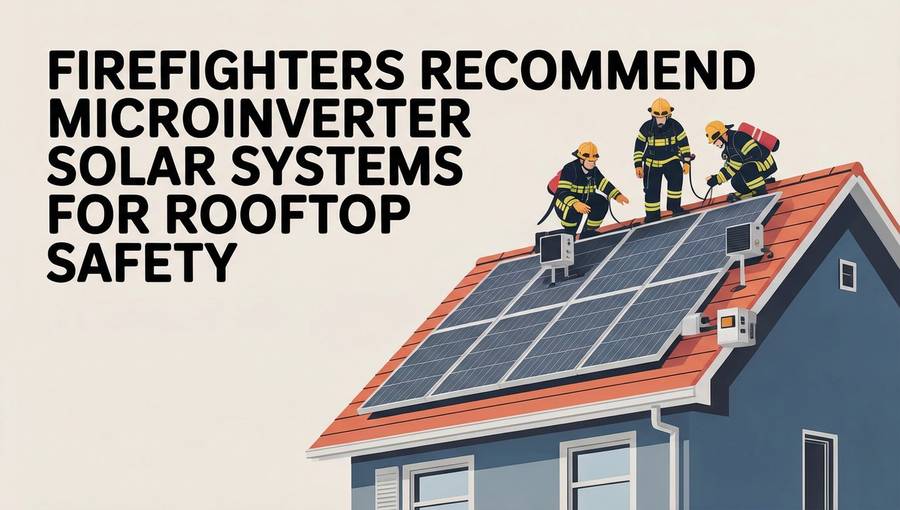
For firefighting readiness, the guideline notes that PV modules produce DC electricity even in bright daylight, complicating suppression efforts. It calls for a clearly marked, accessible shutoff switch for first responders and highlights the significance of accurate building plans that outline PV cable locations. Additionally, emergency access for firefighting teams, including adequate space for aerials and safe roof navigation, is critical.
The publication includes sample checklists to assist in planning, assessment, and documentation processes, while also referencing crucial European and international safety standards regarding modules, system setup, and lightning protection. It reinforces that national regulations should take precedence in cases of discrepancies.