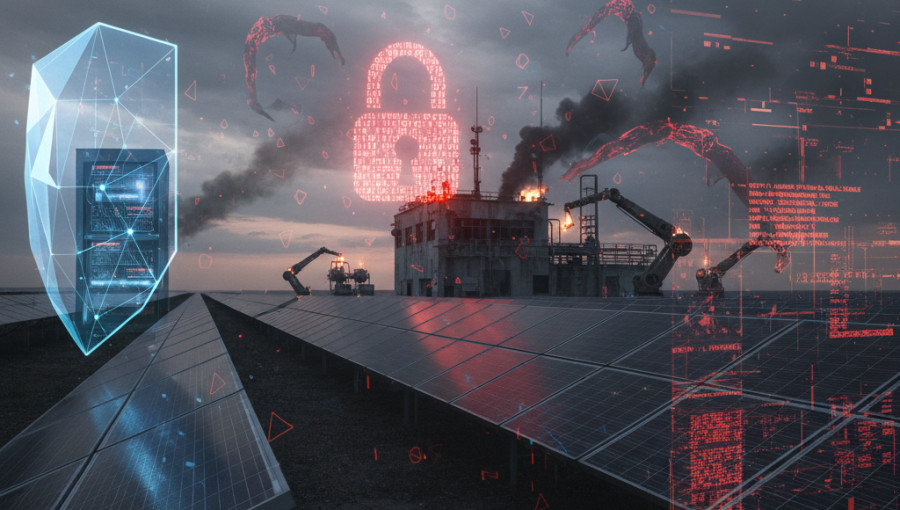
The Netherlands' Solar Grid is Vulnerable to Cyber Attacks!

The Dutch solar grid is vulnerable to cyber attacks, according to a recent study. Secura, a cybersecurity firm, analyzed hacker forums on the dark web over a six-month research period and found that the Netherlands' solar infrastructure faces the most common threats. Following interviews with experts, particularly in the energy sector, the research revealed that the Dutch solar grid is at a growing risk of cyberattacks.
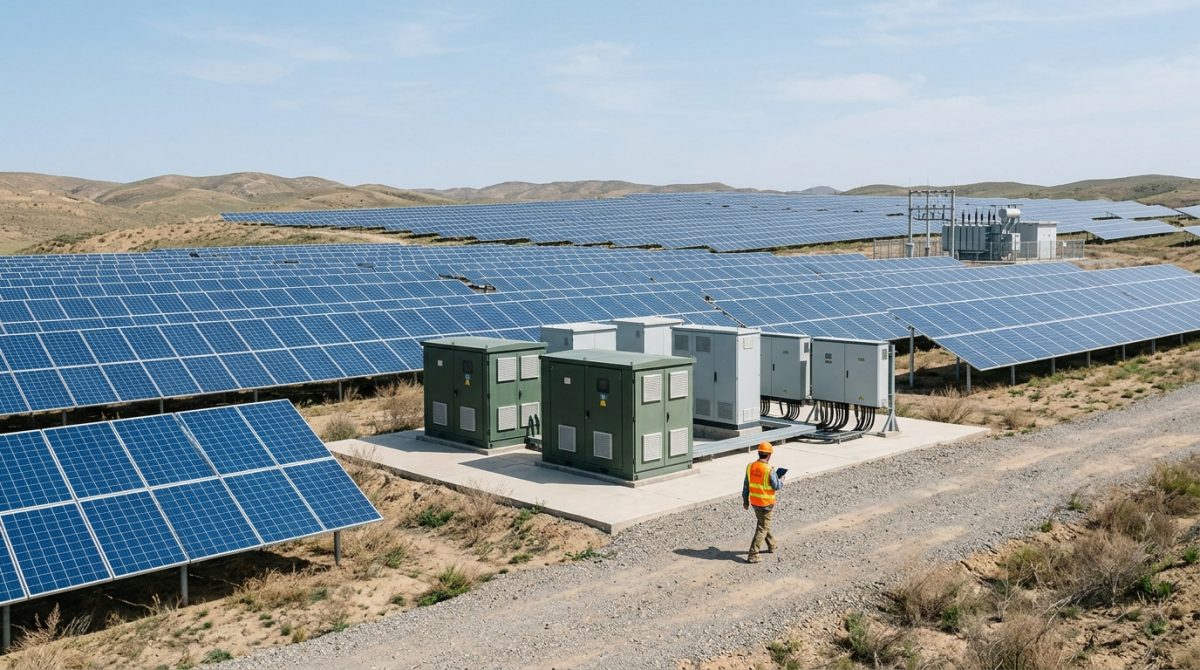
The Netherlands is one of Europe's largest producers of solar energy and ranks first in per capita solar energy production. The country has more than 3 million solar installations, providing between 17 and 20 gigawatts of power to the national grid each year. The Netherlands' solar grid is therefore of strategic importance for both domestic energy production and international energy security.
Another important finding of the research is that the solar grid can be an attractive target for malicious attackers. Cybersecurity experts point out that state actors in particular have a high potential to interfere with another country's energy infrastructure. Such an attack could target another country's energy grid and disrupt energy flows, with serious economic and strategic consequences.
Cyberattacks can target large energy infrastructures and cause severe disruptions. However, since much of the solar grid in the Netherlands is shared with other European countries, it is unlikely that the source of the attack would be directed only at the Netherlands. Still, by manipulating the inverters of solar panels, the grid could be overloaded, leading to localized blackouts.
Cyber attacks can target not only power generation facilities, but also wind power generators, battery storage systems and charging stations. Such attacks can lead to prolonged power outages, which can cause social unrest. Power outages can cause people to struggle to meet their basic needs and disrupt daily life.
According to Secura's report, such attacks could undermine confidence in solar energy, which could negatively impact solar investments in the future. SolarPower Europe calls for increased security measures in the sector. For the future of the solar industry, it emphasizes the need for more robust measures against security threats. The EU recommends more cybersecurity assessments of solar infrastructure to prevent such threats.