One In Five Solar Panels Face Rapid Degradation
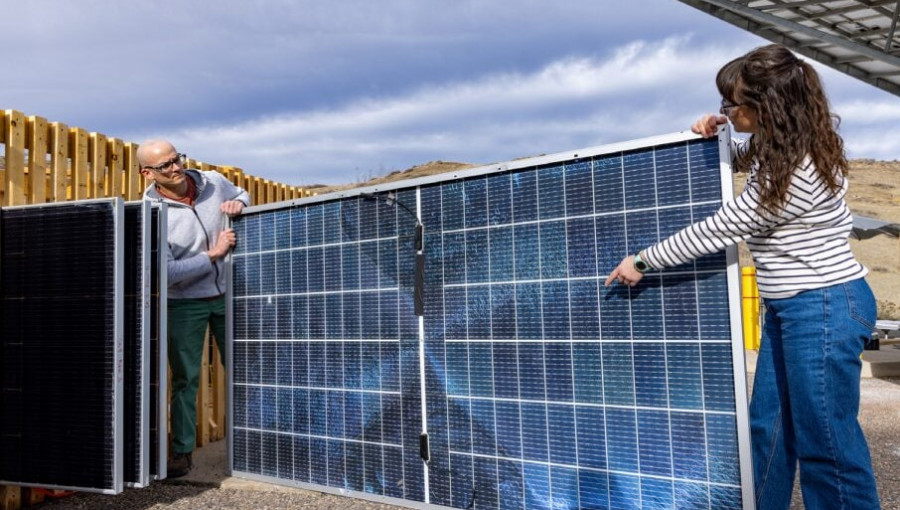
Recent research from the University of New South Wales (UNSW) reveals that approximately 20% of solar PV modules experience degradation rates significantly higher than the industry average. While most systems decline in performance by about 0.9% annually, one in five modules loses efficiency at least 1.5 times faster, potentially shortening their functional lifespan to just 11 years. This study highlights critical vulnerabilities in solar infrastructure, identifying manufacturing defects and cascading component failures as primary drivers of premature aging, regardless of the local climate or environmental conditions.
The UNSW study, which analyzed the performance of nearly 11,000 PV modules, focused on the "long tail" probability distribution of solar panel deterioration. While the majority of the assessed units maintained a steady degradation rate of roughly 1% per year, a significant subset showed much more aggressive wear. Lead researcher Yang Tang noted that for roughly one in twelve systems, the rate of decline is twice as fast as the average. This rapid loss of efficiency means some installations could lose 45% of their power output by the time they reach the 25-year mark, a standard benchmark for solar investment returns.
The research identified three primary catalysts for these accelerated failure rates. The first is "interconnected failures," a cascading effect where a single component's malfunction places undue stress on other parts of the solar module. The second is "infant mortality," involving critical manufacturing defects that bypass initial testing but cause the hardware to fail early in its operational life. Finally, "minor flaws" were found to trigger sudden, unpredictable performance drops at various points during a module's lifecycle.
Interestingly, the study suggests that environmental factors are not the primary cause of this phenomenon. While extreme heat is known to increase degradation generally, the researchers found the same "long tail" pattern across all climates. Dr. Shukla Poddar, a member of the research team, explained that the consistency of these failures across different regions suggests the issue is inherent to the modules themselves rather than their operating environment. This finding challenges the common assumption that extreme weather is the sole culprit for premature hardware failure.
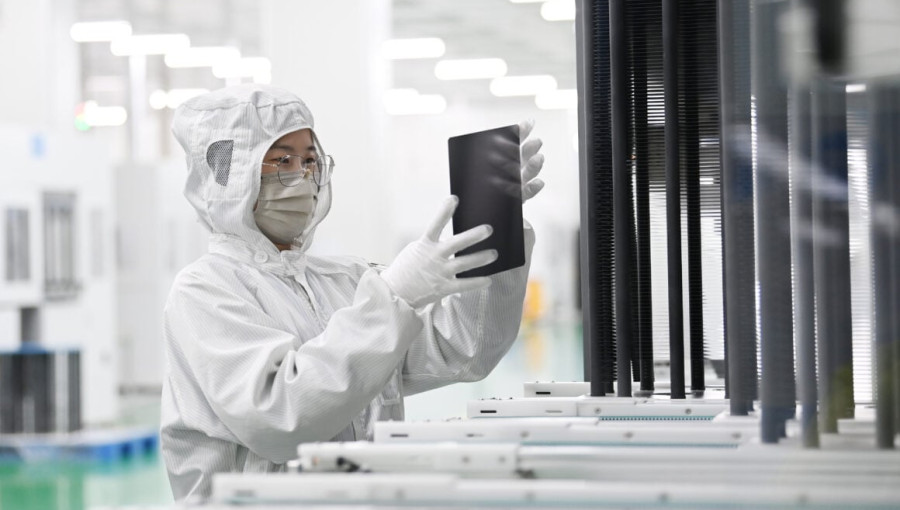
The findings arrive at a time when the solar industry is grappling with rising failure rates in standardized testing. Recent data from Kiwa PVEL indicates that five-sixths of tested modules experienced at least one failure during reliability assessments, a significant increase from previous years. Industry experts suggest that a prolonged manufacturing downturn has pushed companies toward aggressive cost-cutting measures, such as utilizing thinner glass and less robust frames. These modifications may be compromising the long-term resilience of the hardware.
This trend poses a significant risk to the financial stability of the renewable energy sector. Because solar projects rely on predictable long-term electricity output to remain profitable, unexpected module failures can undermine the economic models used by investors and developers. Ensuring higher testing standards and more resilient manufacturing processes is now seen as a vital step in securing the reliability of the global energy transition.