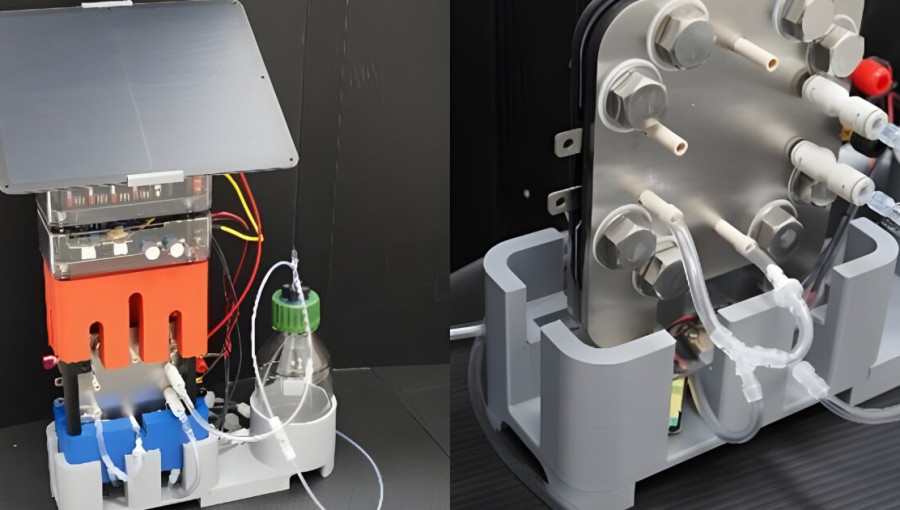
Plasma Technology Converts Methane Into Clean Methanol Fuel
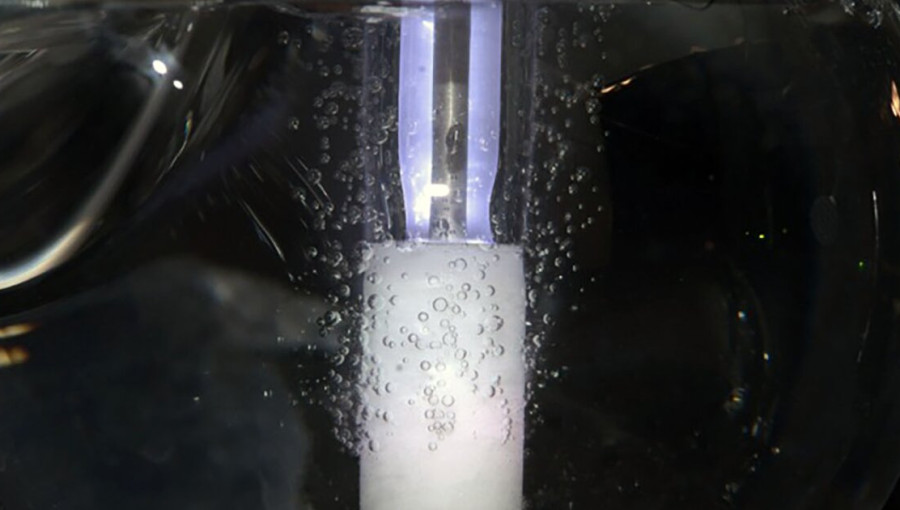
Researchers at Northwestern University have developed a groundbreaking method to produce methanol from methane using plasma technology, effectively "bottling lightning" to create clean fuel. Unlike traditional energy-intensive processes that require extreme heat and pressure, this new approach utilizes high-voltage pulses in a water-filled reactor. By instantly absorbing the resulting methanol into water, the system prevents the fuel from degrading into CO2 emissions. This efficient, single-step process could revolutionize how we manage methane leaks and produce industrial chemicals sustainably.
Methanol is an essential chemical used in plastics, solvents, and as a clean-burning fuel for ships and vehicles. However, manufacturing it currently involves a multi-step process requiring temperatures of 800 °C and atmospheric pressure up to 300 times normal levels. This traditional method is not only energy-intensive but also releases significant CO2 emissions. Additionally, methane molecules are notoriously difficult to break down, and once methanol is formed, it often reacts further and degrades into carbon dioxide before it can be collected.
To overcome these hurdles, the Northwestern team designed a system that replaces extreme heat with short bursts of electricity. Methane gas is passed through a porous glass tube coated with a copper-oxide catalyst inside a water-filled reactor. When high-voltage pulses are applied, the gas transforms into plasma—an energized state of matter similar to lightning. This creates highly reactive fragments from methane and water that quickly recombine into methanol molecules.
A critical aspect of the design is the immediate absorption of methanol into the surrounding water. This effectively "freezes" the chemical reaction at the optimal moment, preventing the methanol from breaking down into unwanted CO2, which is a primary limitation of conventional industrial methods. The researchers also introduced argon gas into the reactor; while usually inert, argon becomes reactive within the plasma, stabilizing the process and increasing the selectivity of the output.
Beyond methanol, the system generates valuable byproducts such as hydrogen and ethylene, the latter being a primary component for plastic production. According to study co-author Dayne Swearer, the technology turns abundant methane into a suite of high-value products in a single, streamlined step. This eliminates the massive environmental footprint and high costs associated with conventional high-pressure industrial facilities.
While currently operating at a laboratory scale, the technology holds promise for decentralized applications. Portable reactors could be deployed to remote sites or leaking oil wells to capture methane—a potent greenhouse gas—and convert it into a transportable liquid fuel. Instead of flaring methane and contributing to global warming, this plasma-based system offers a sustainable path to recycling waste gases into valuable industrial resources. The team is now focusing on optimizing the system for commercial recovery and purification.